


 580
580Sawubona
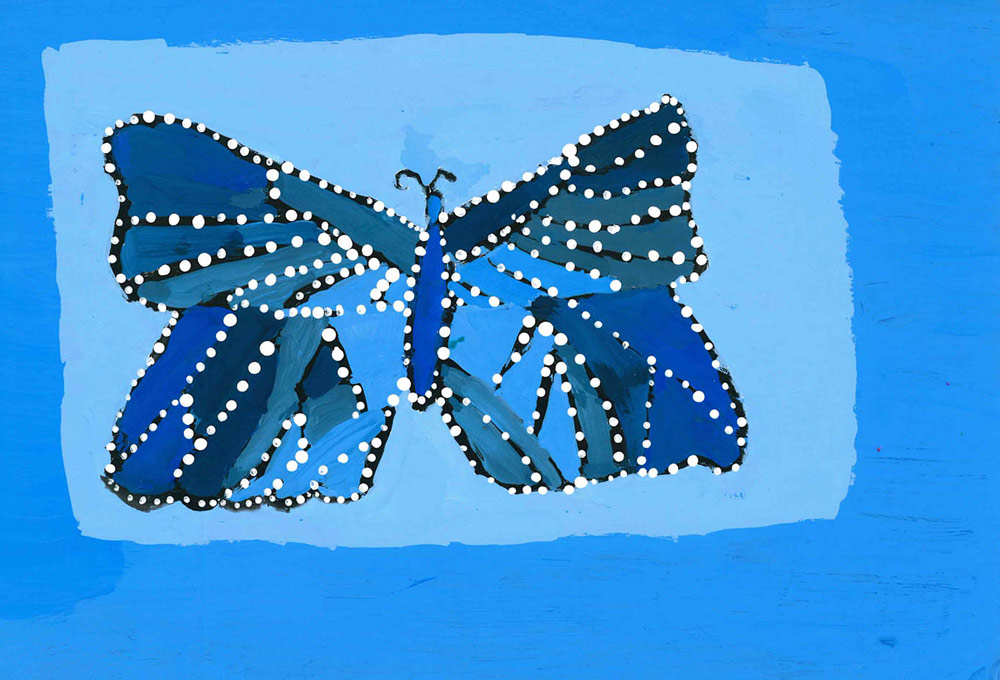
Frances und Everett Duarte kreieren schon viele Jahre gemeinsame Projekte mit dem Gellert-Museum Hainichen. Dort wird Kunst zu Fabeln aus aller Welt gesammelt, dazu gehören auch Kinderbilder aus Afrika. Dass sich ein solcher Austausch lohnt, dabei das Verständnis zwischen verschiedenen Kulturen und Menschen wächst, hat die wunderbare Zusammenarbeit mit der Port Edward Primary School im südafrikanischen KwaZulu-Natal 2018 und 2022/23 bewiesen.
Sawubona
Frances and Everett Duarte have been creating joint projects with the Gellert Museum Hainichen for many years. Art related to fables from all over the world is collected by the Museum, including children’s pictures from Africa. The wonderful cooperation with the Port Edward Primary School in KwaZulu-Natal, South Africa, in 2018 and 2022/23 has shown that an exchange between different cultures is really Worth it and therefore also an important part of educational work.
 613
613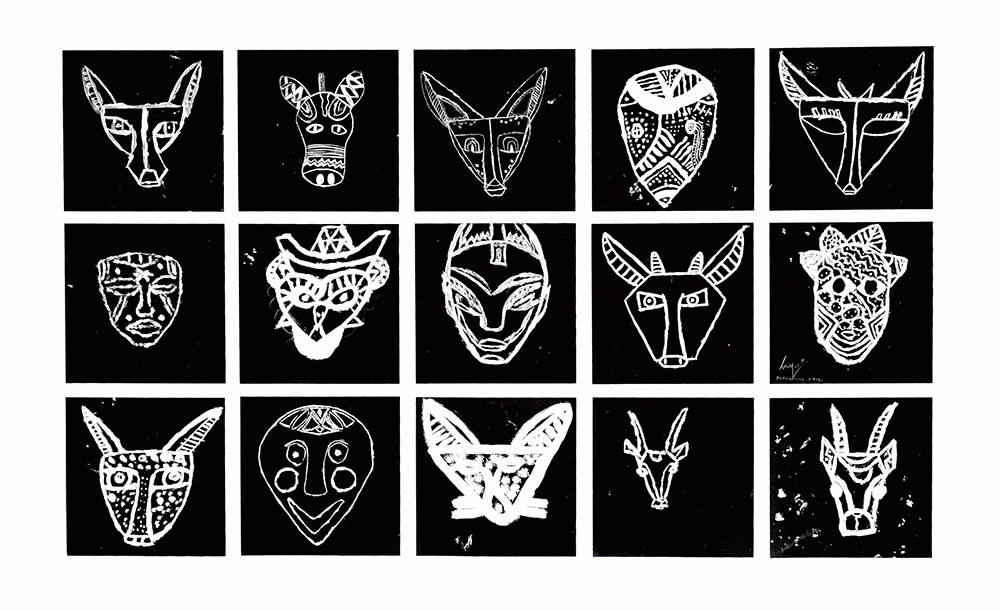
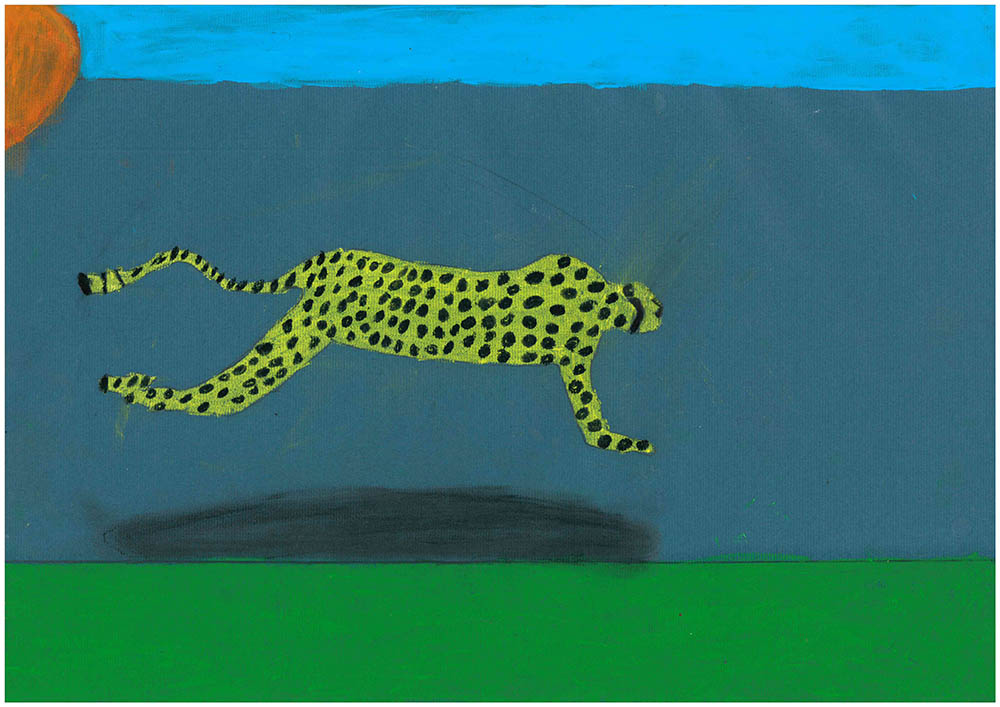
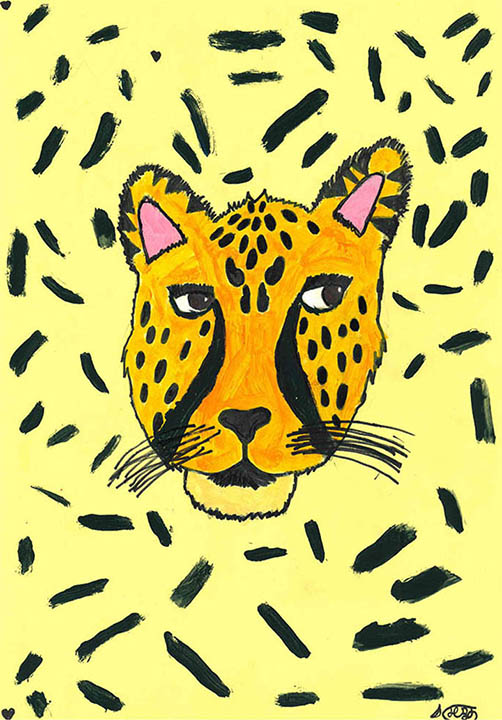
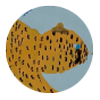
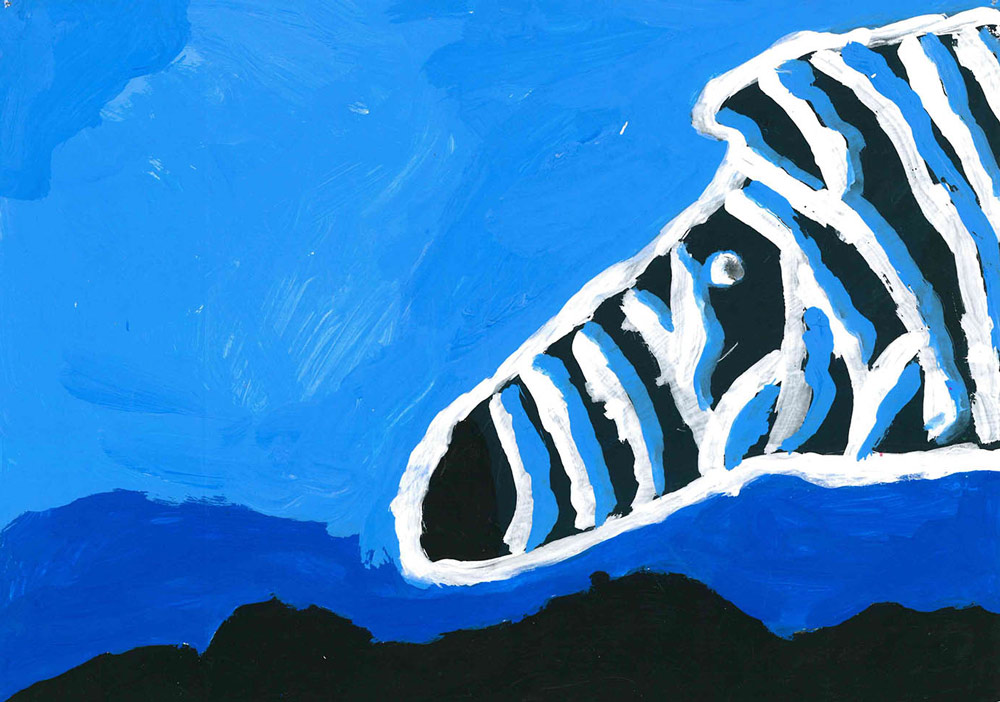
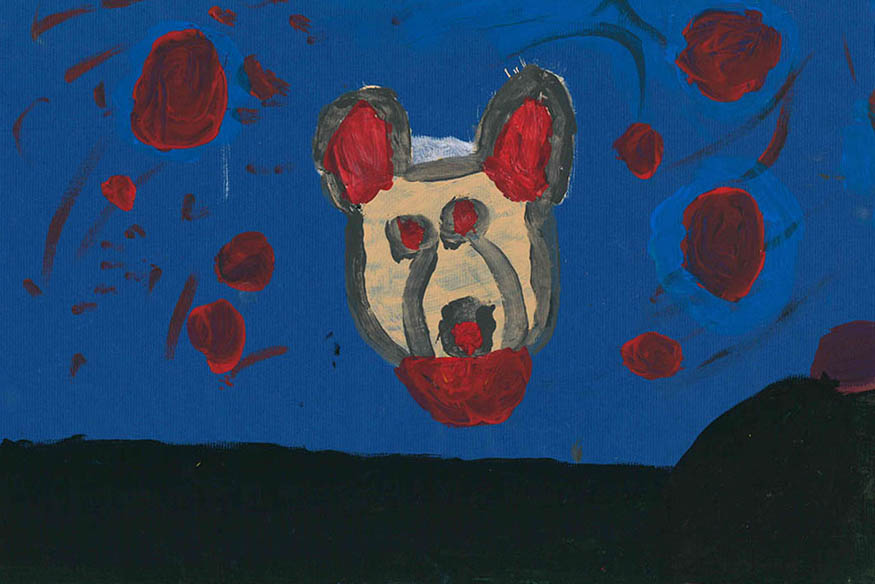
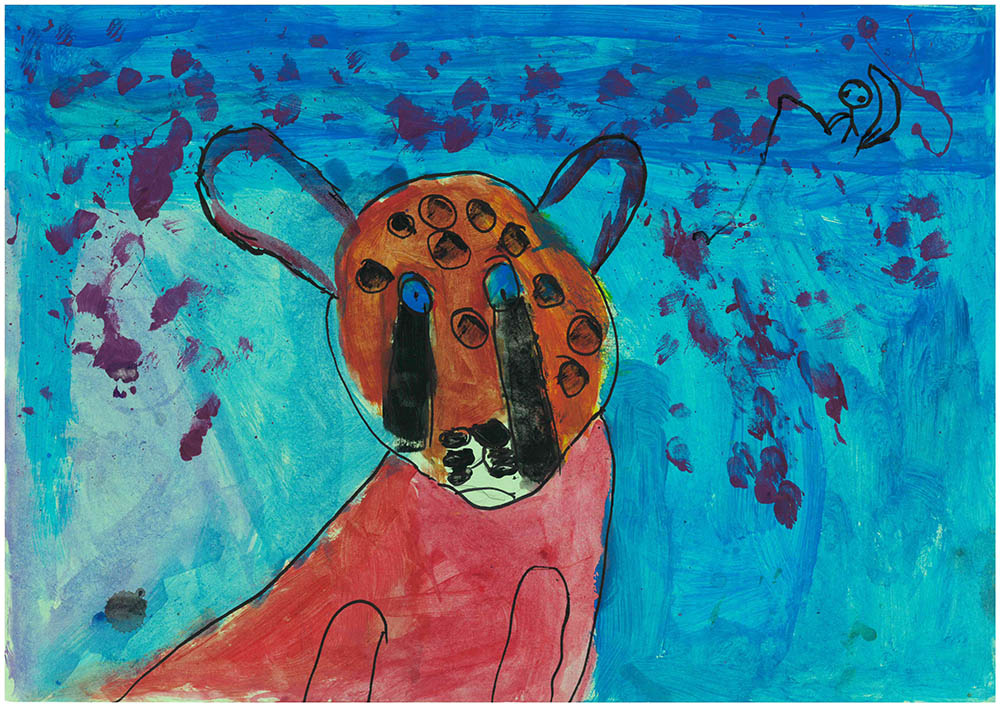
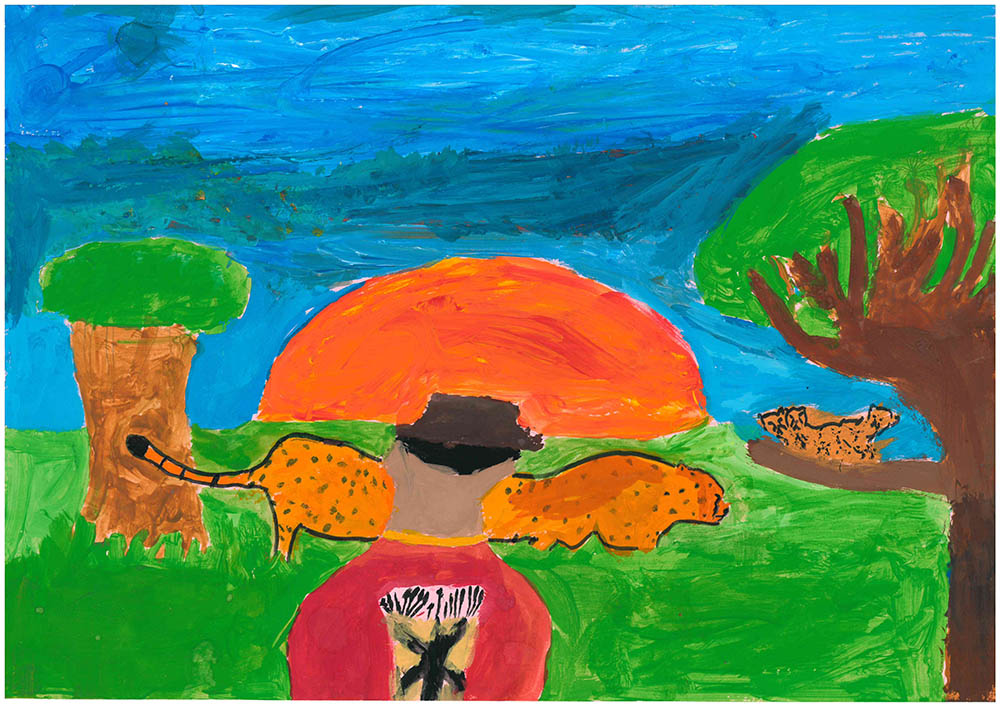
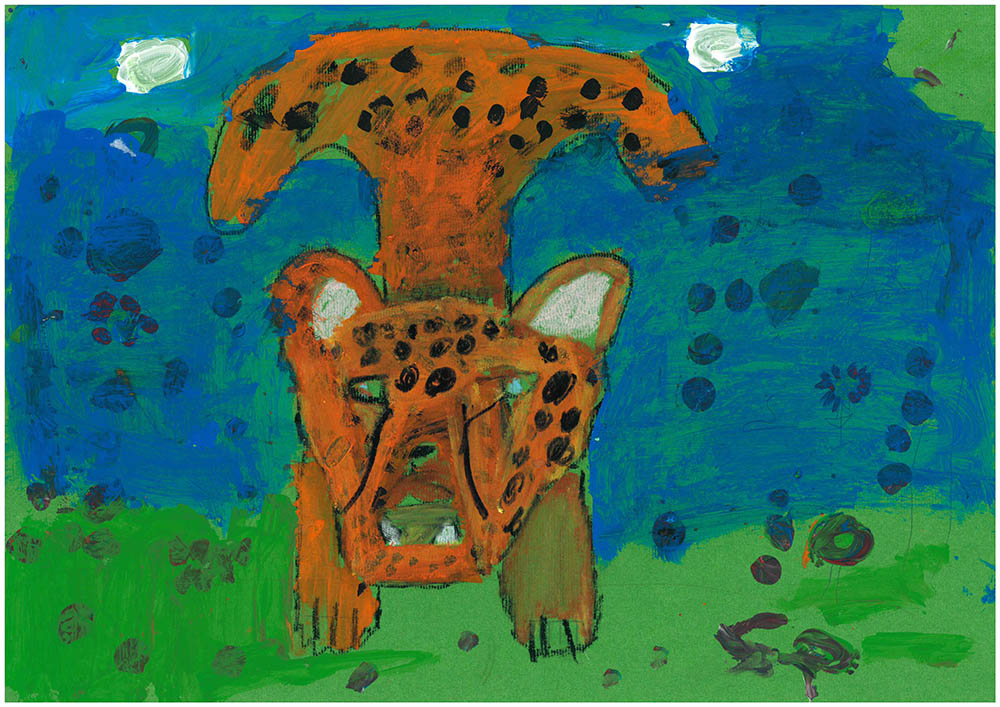
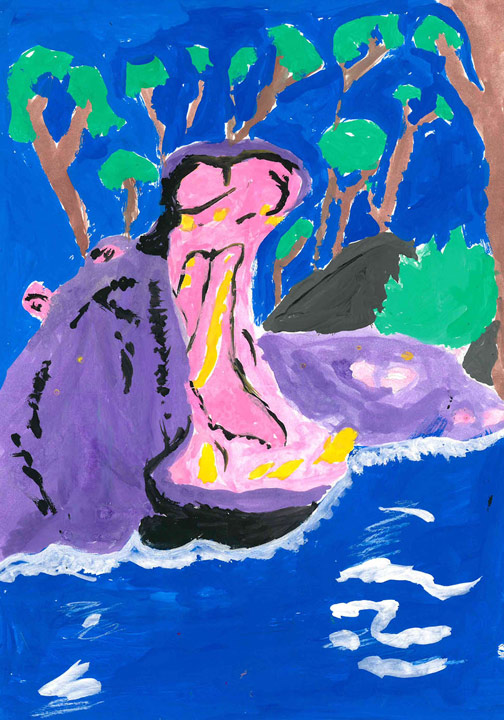
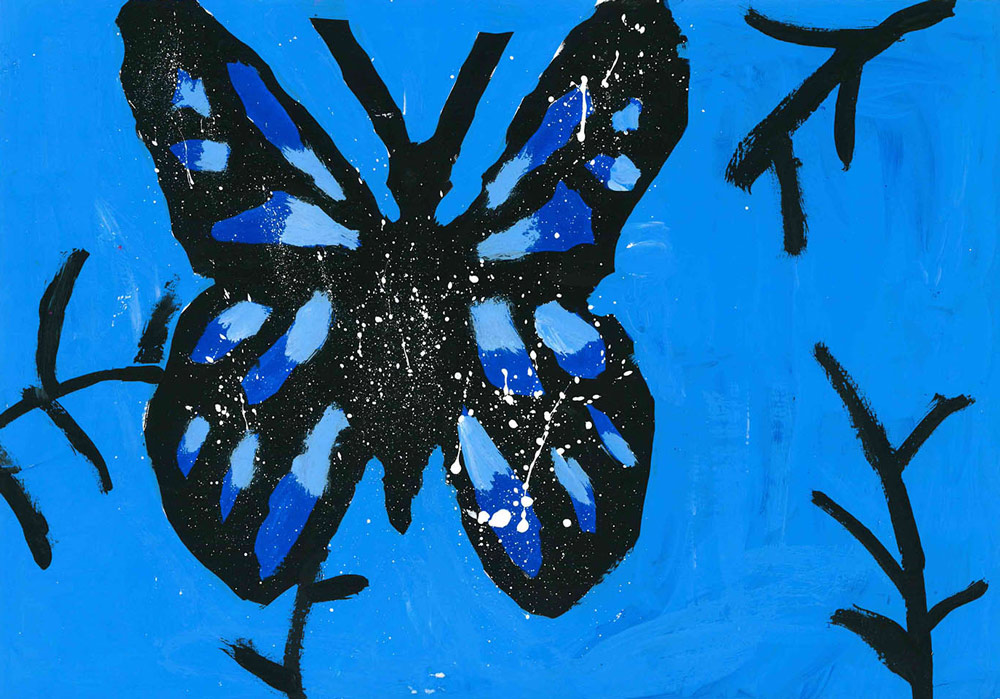
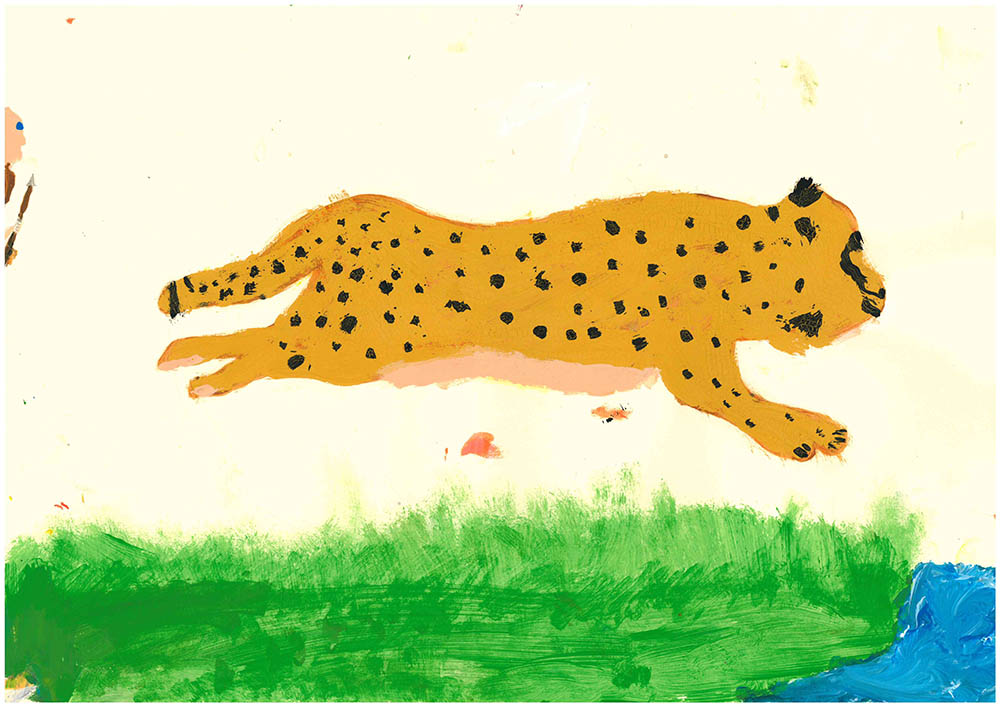
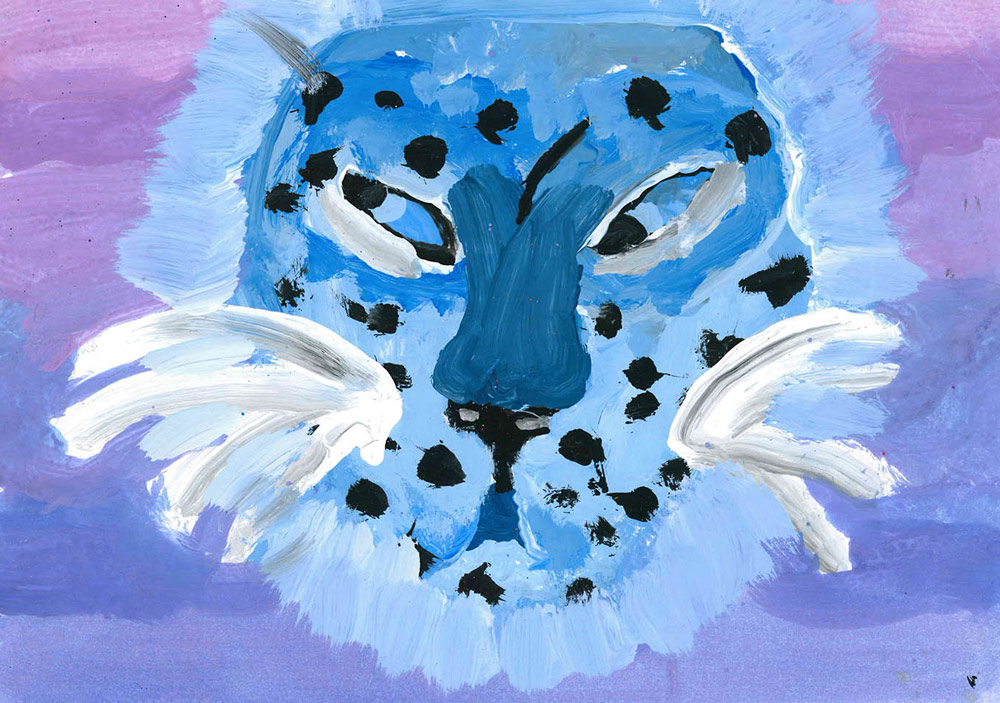
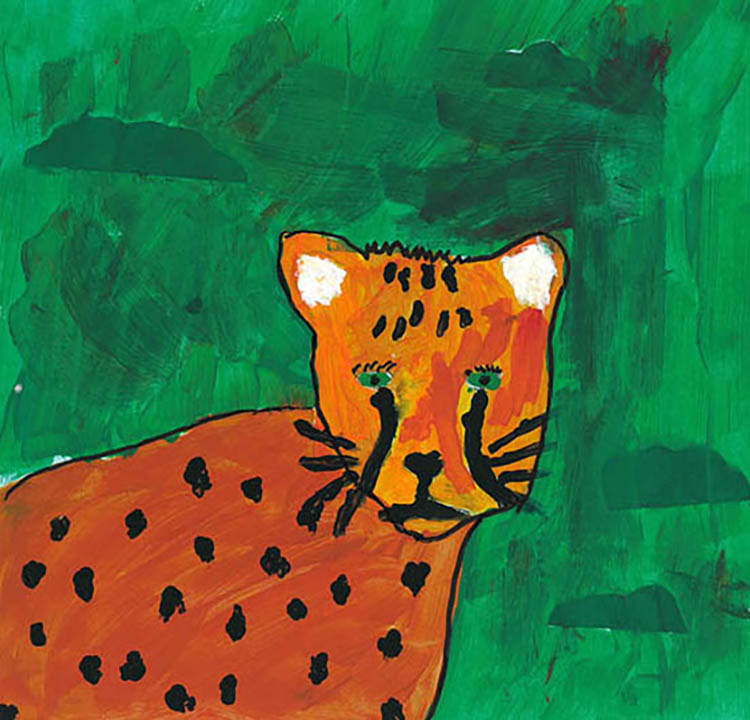
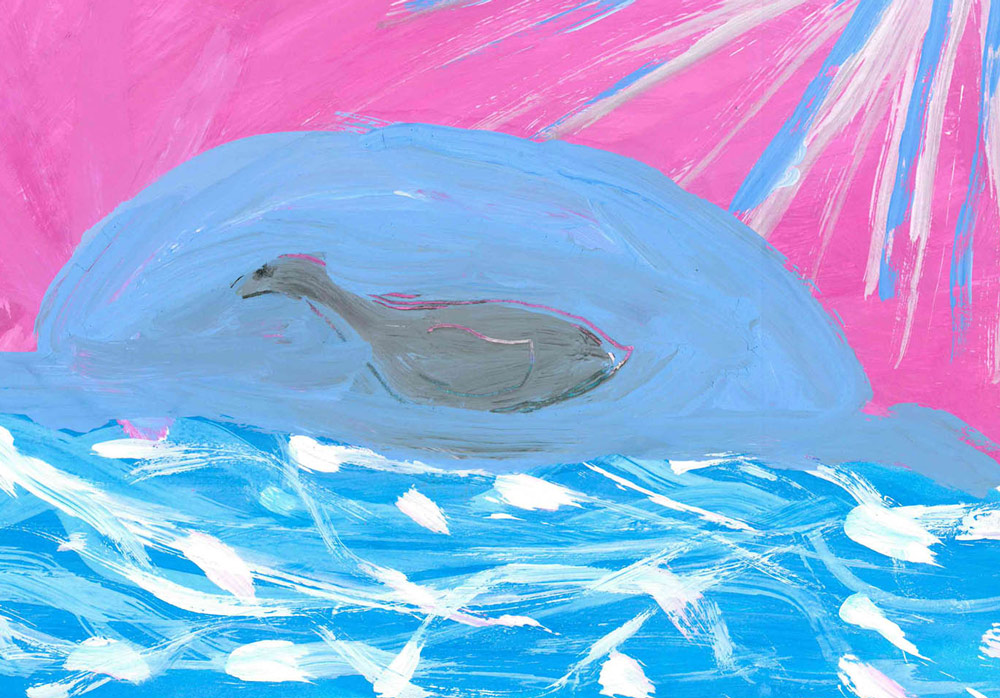
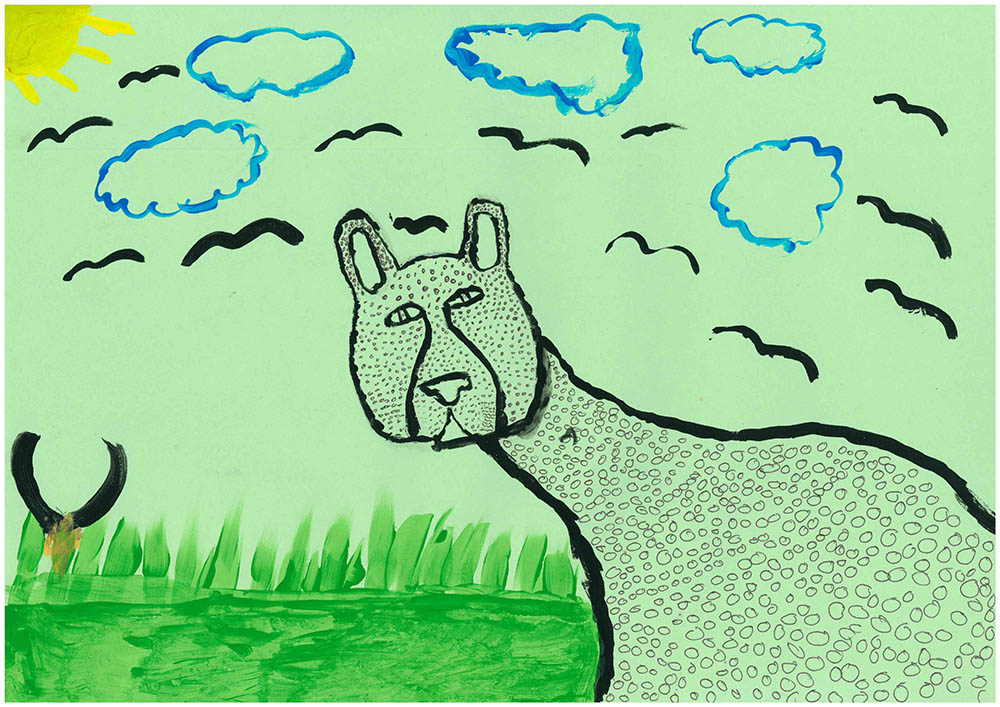
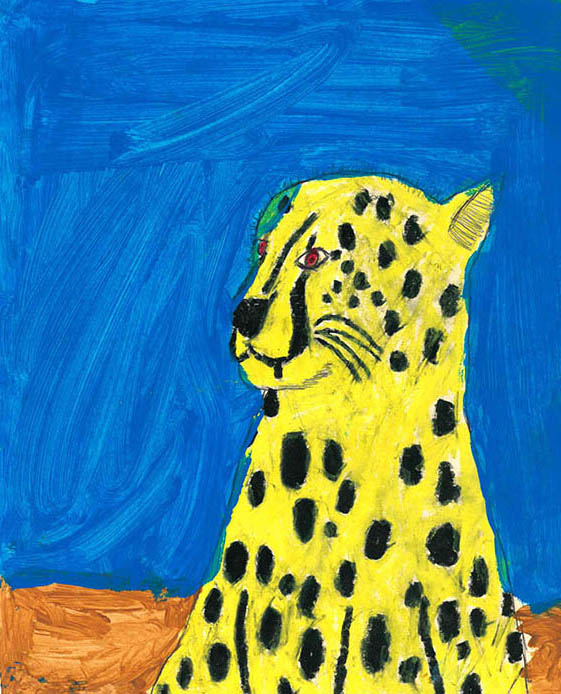
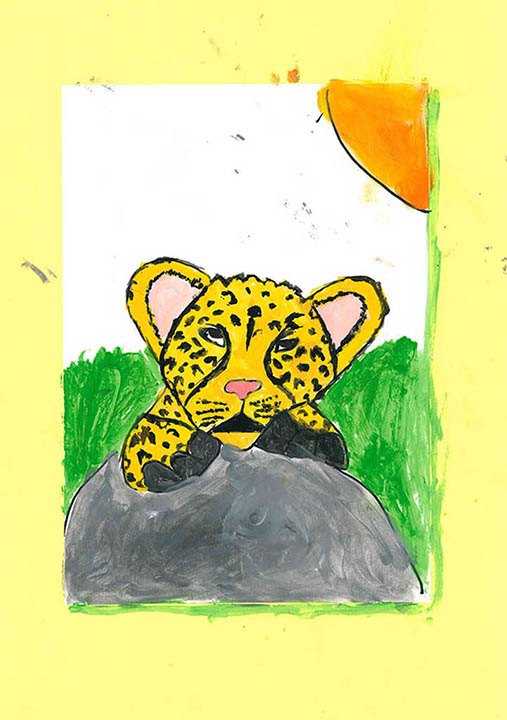
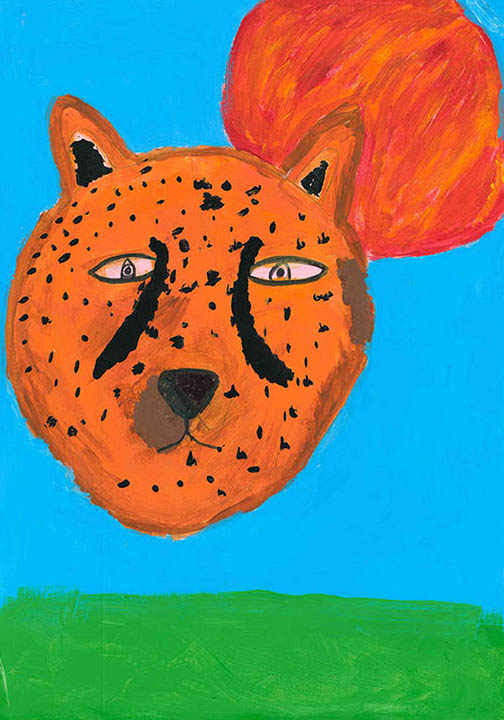
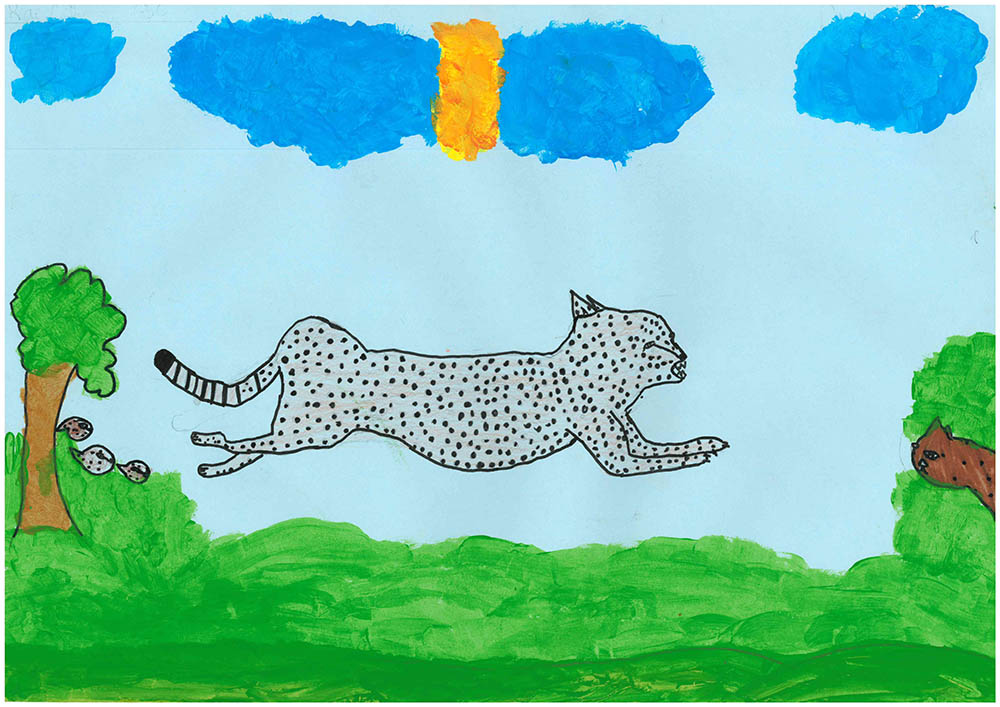
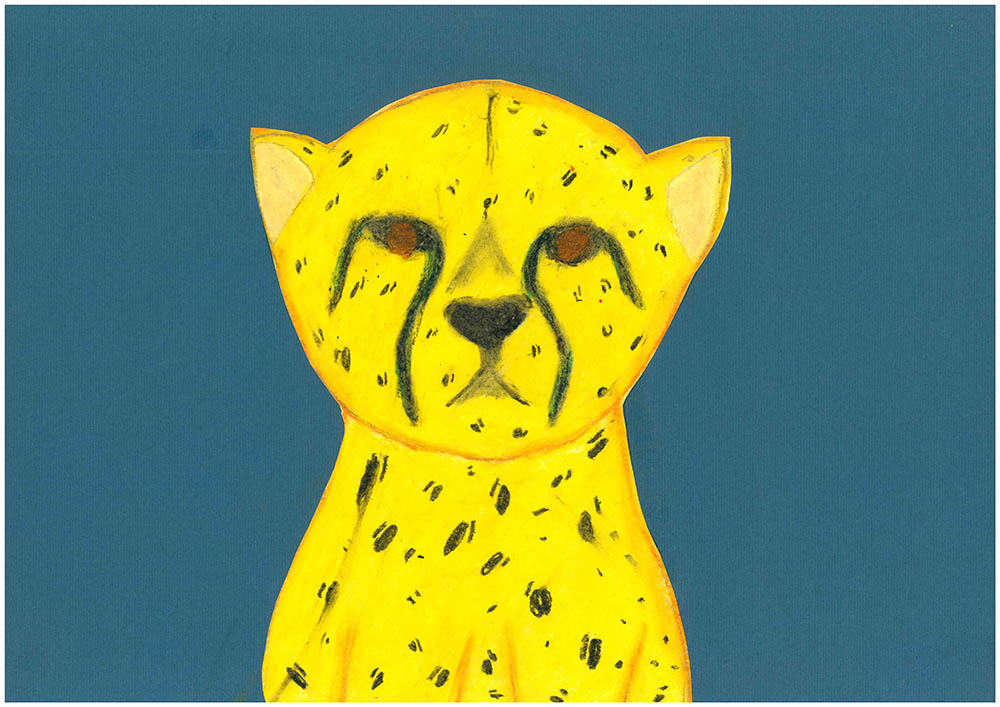
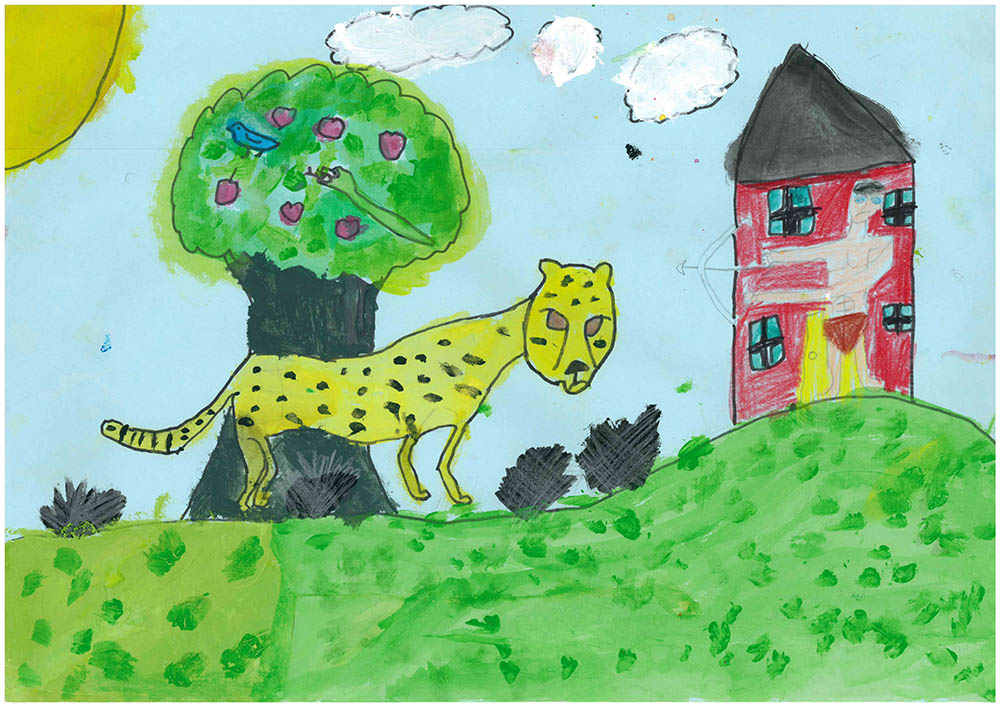
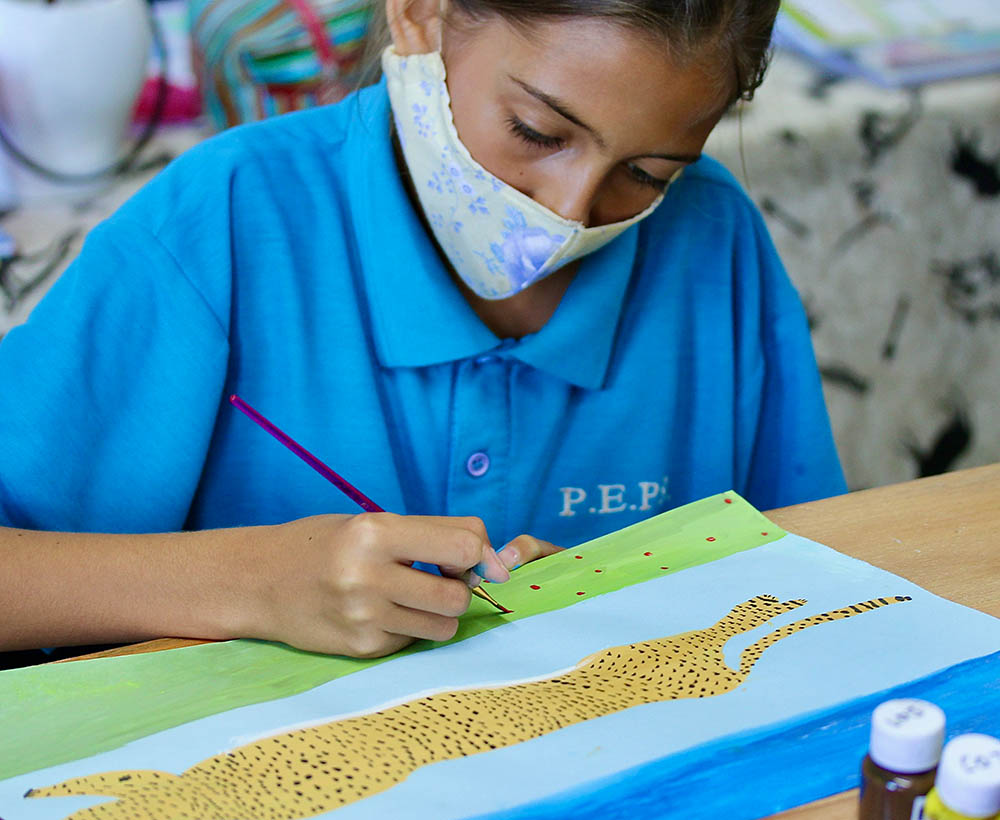
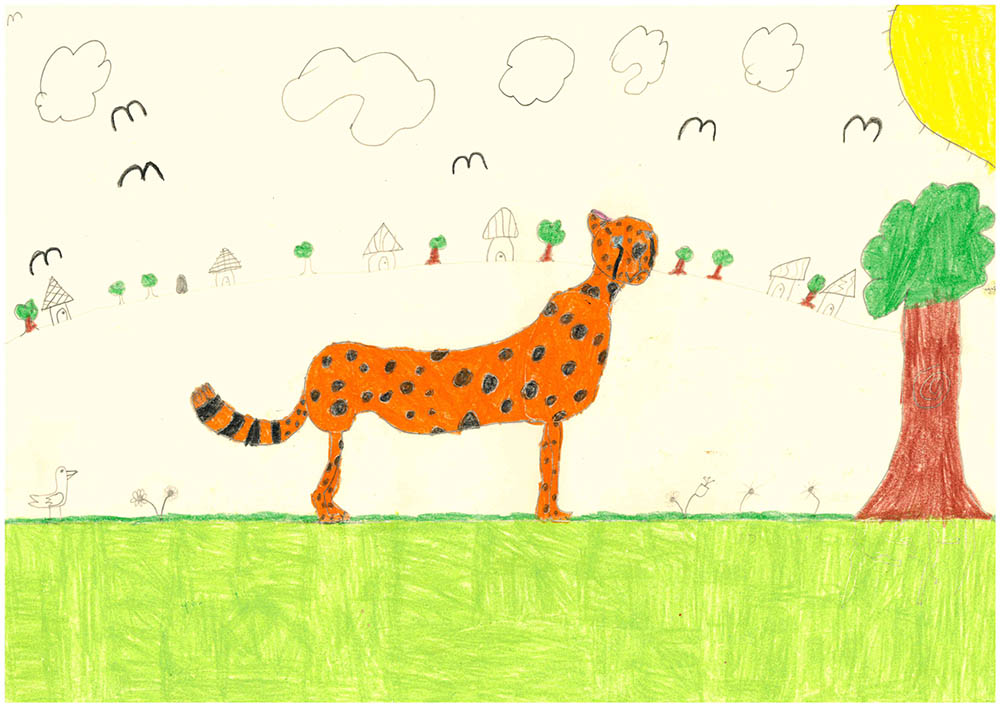
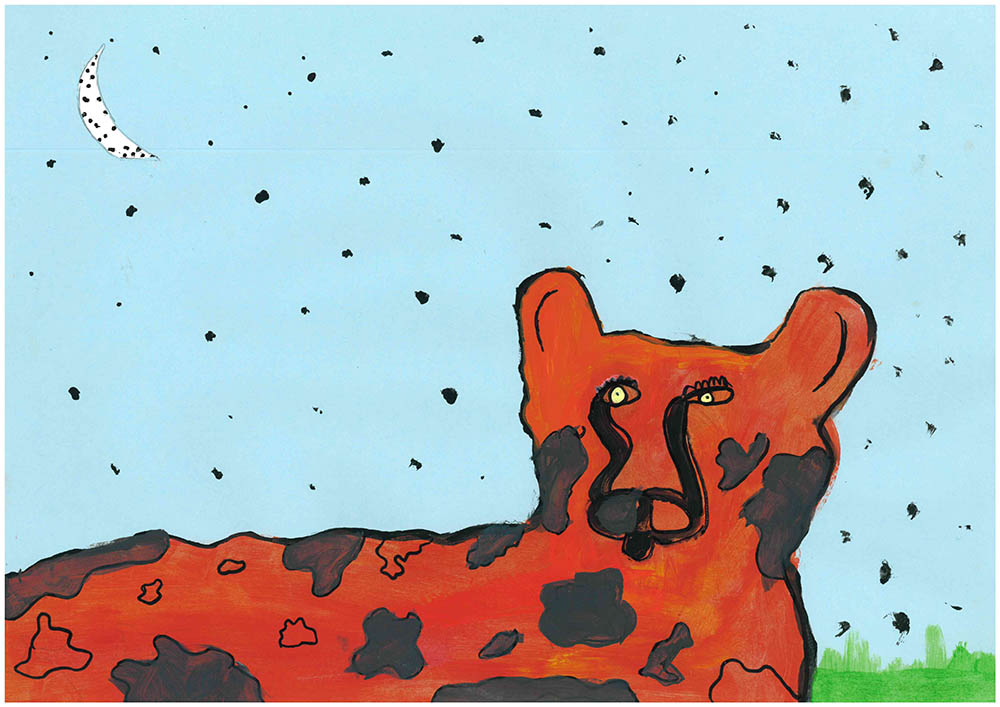
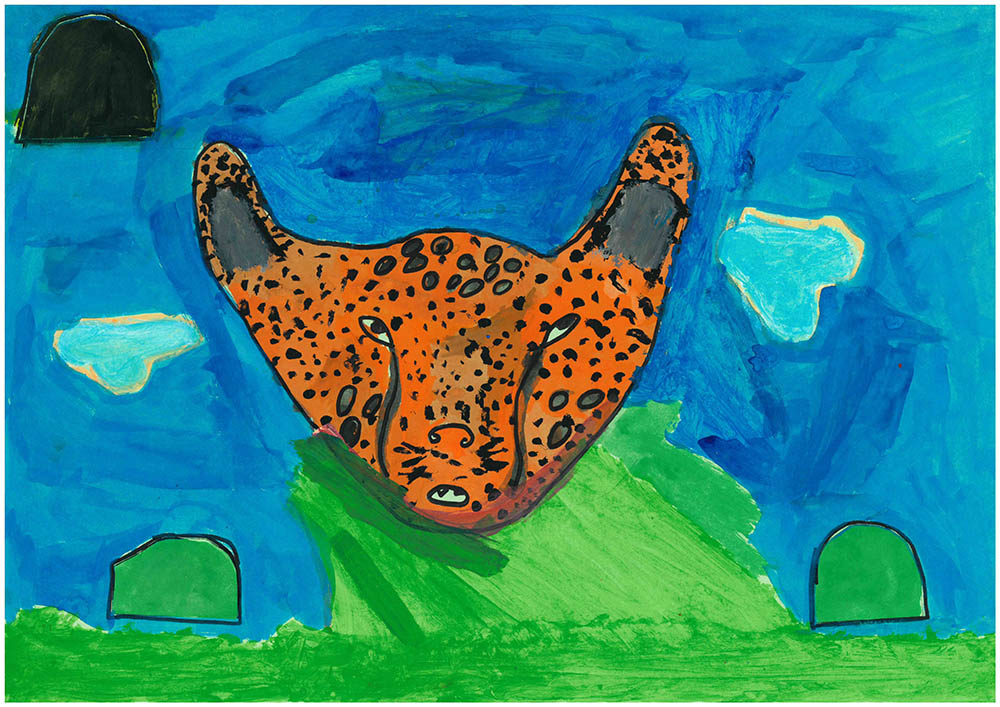
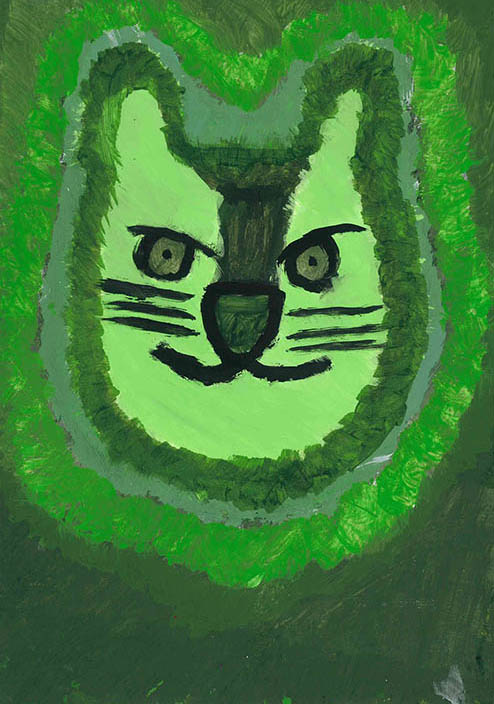
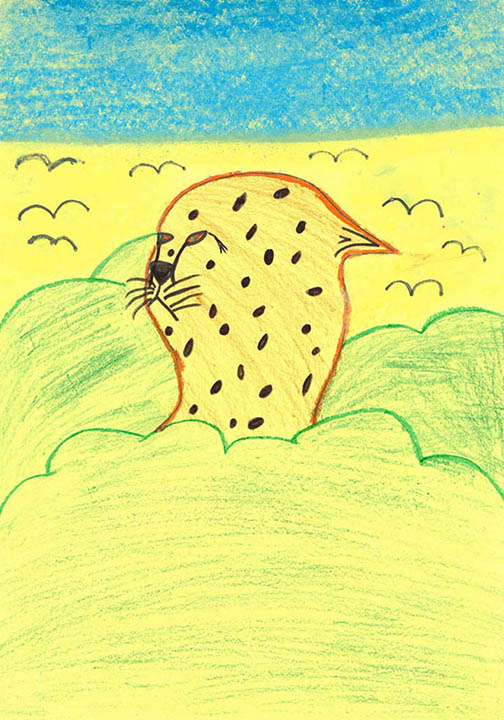
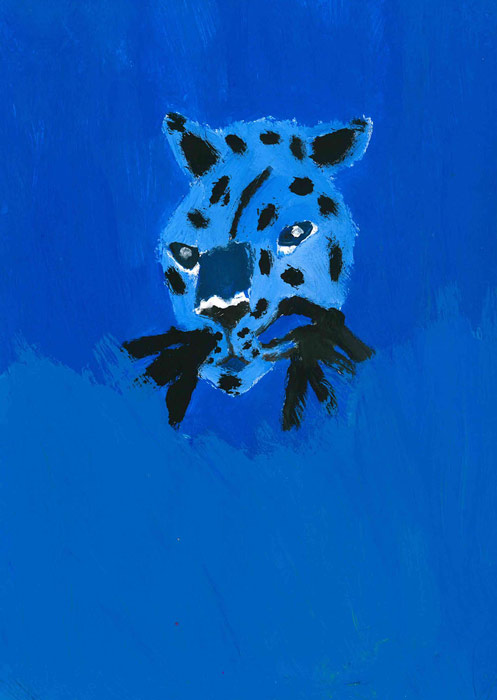
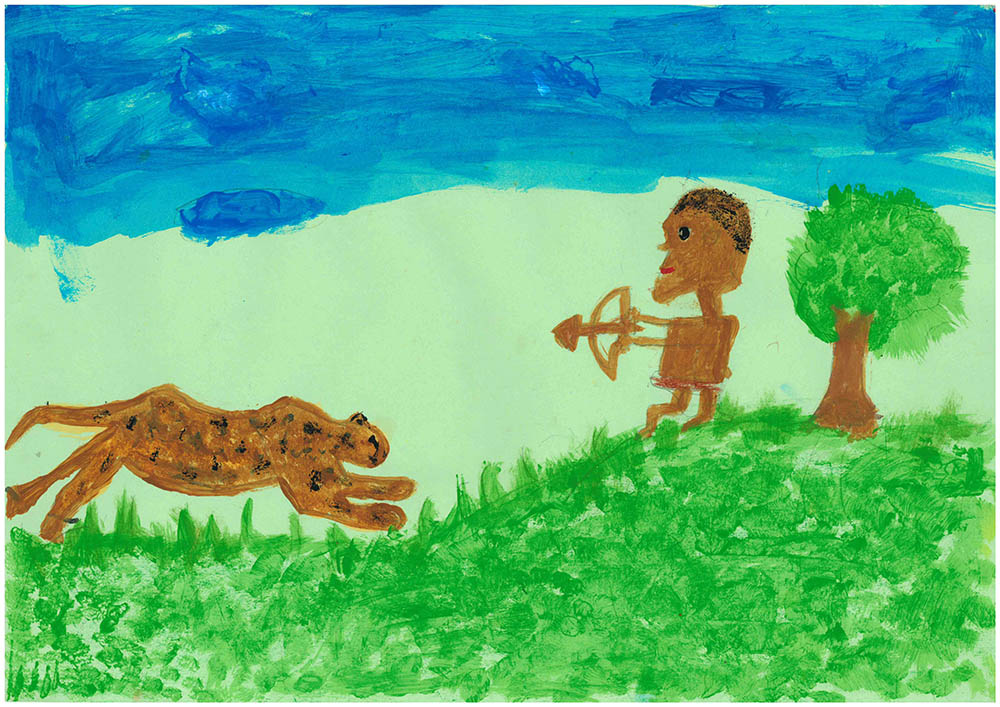
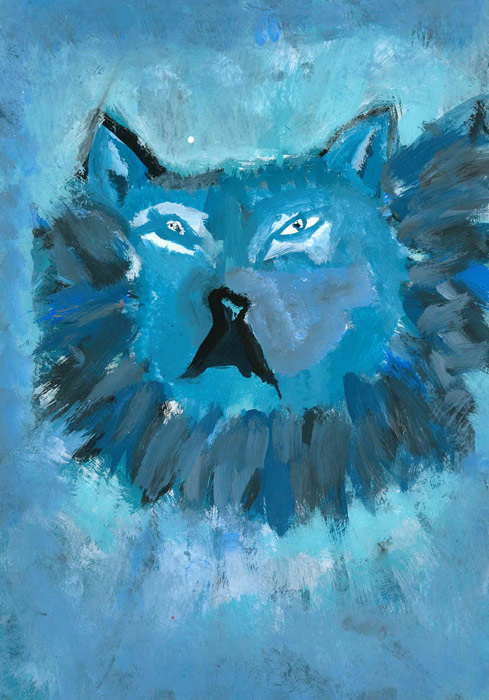
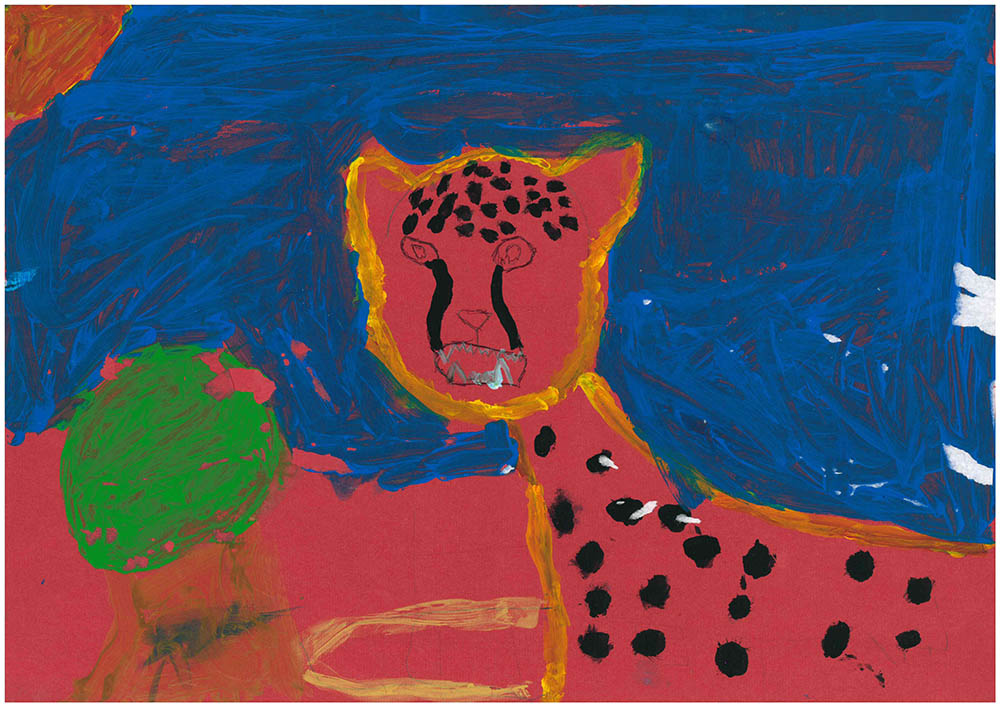
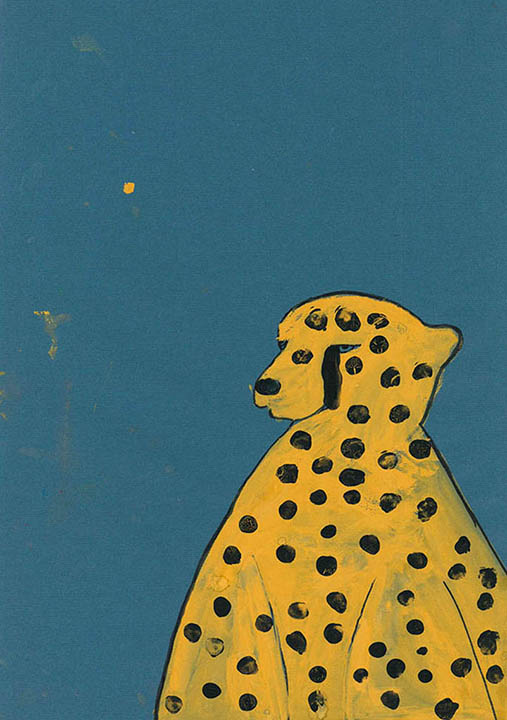
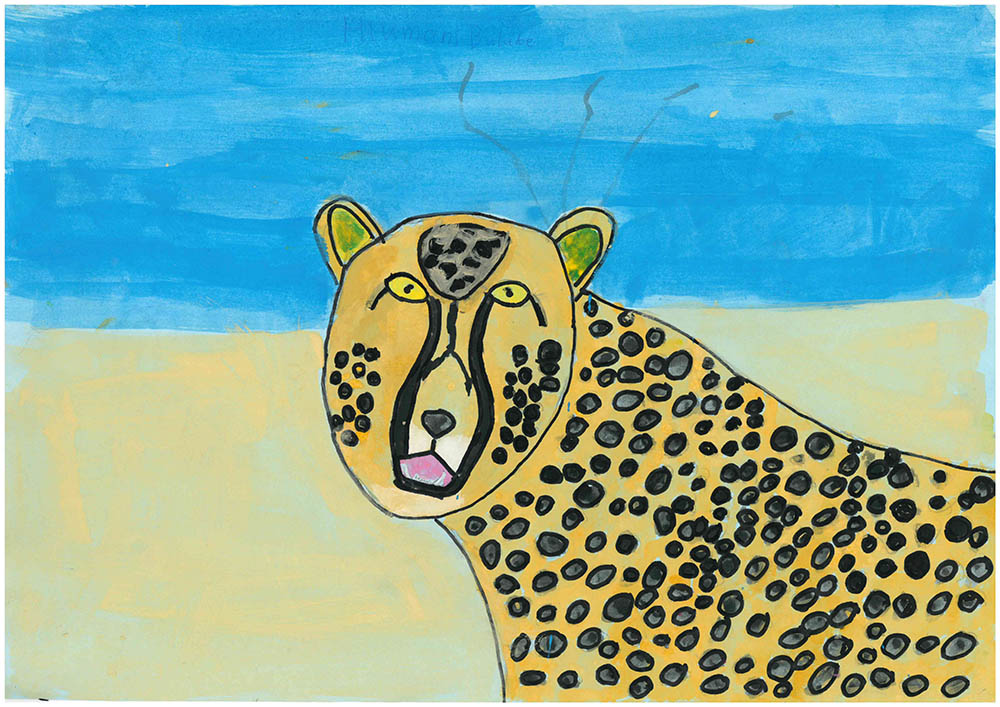
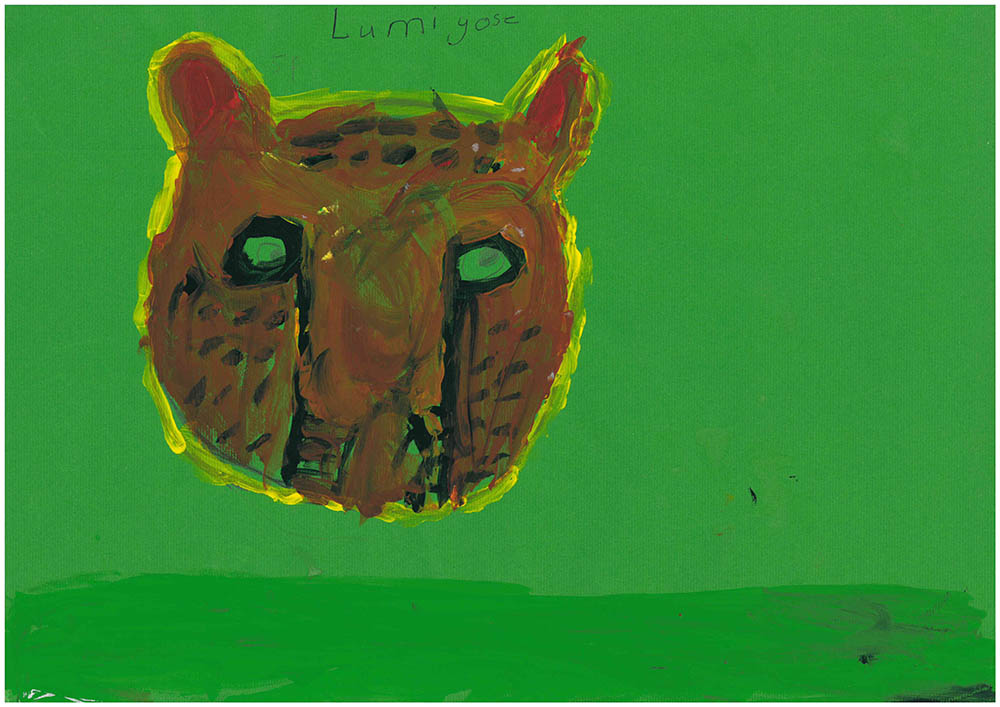
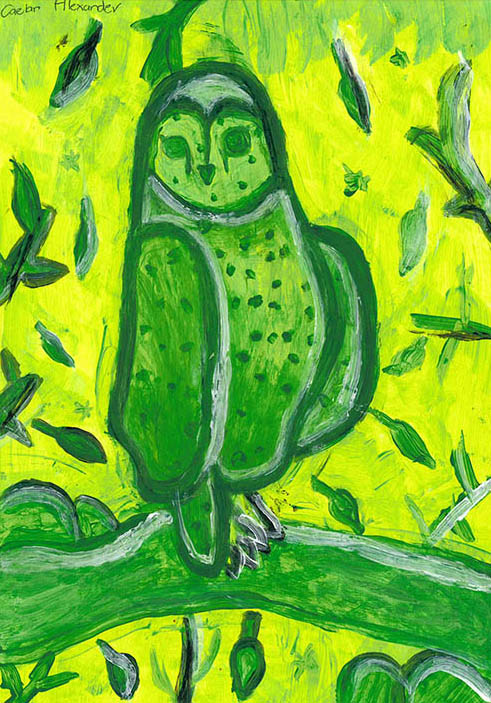
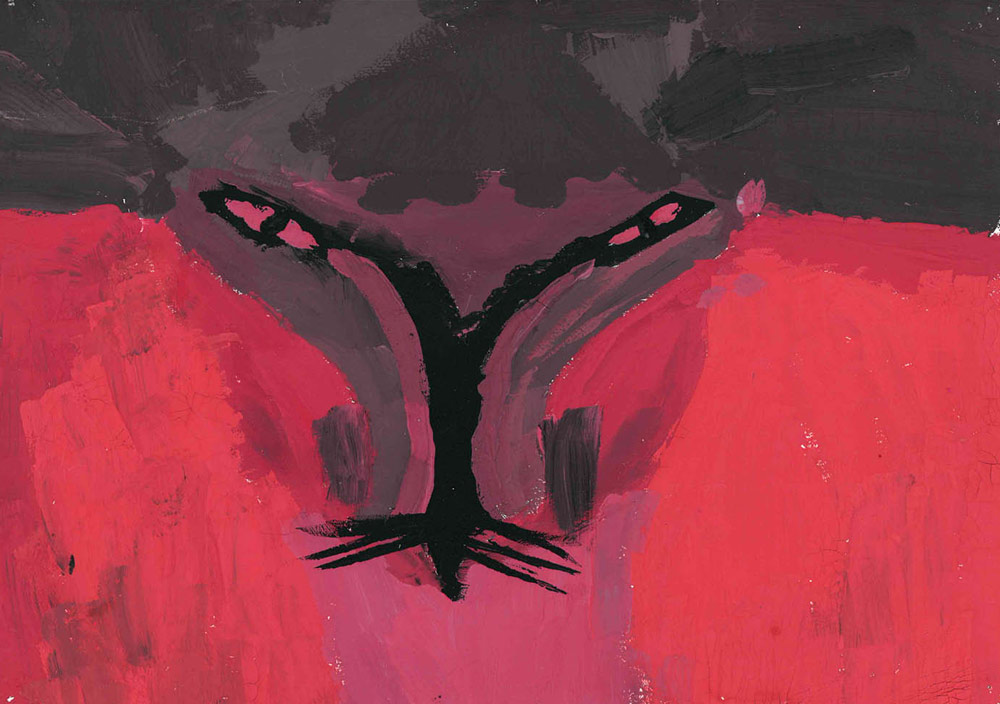
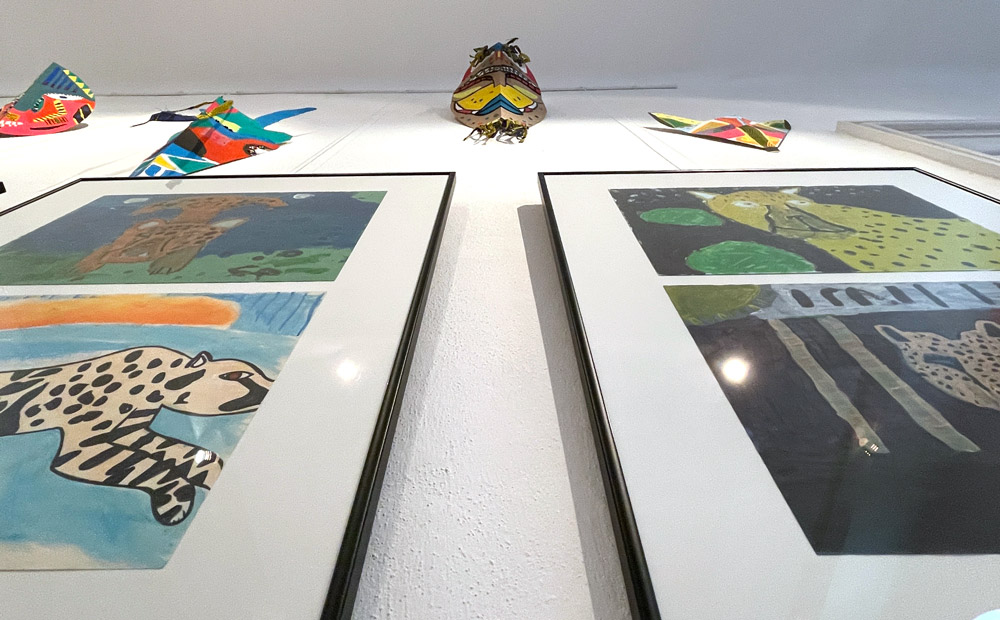
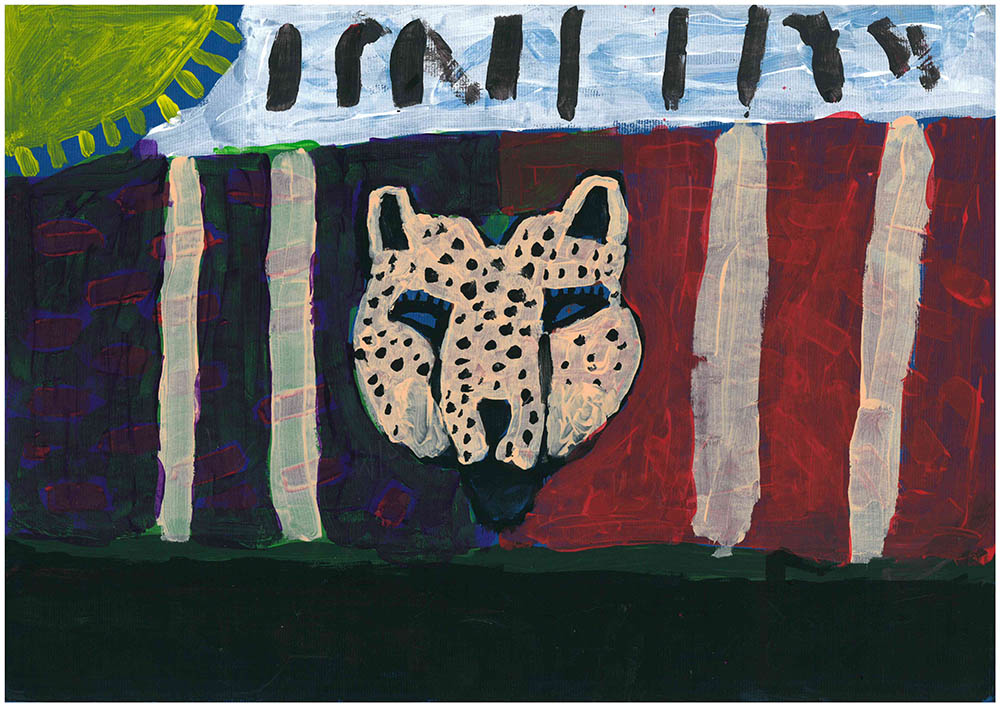
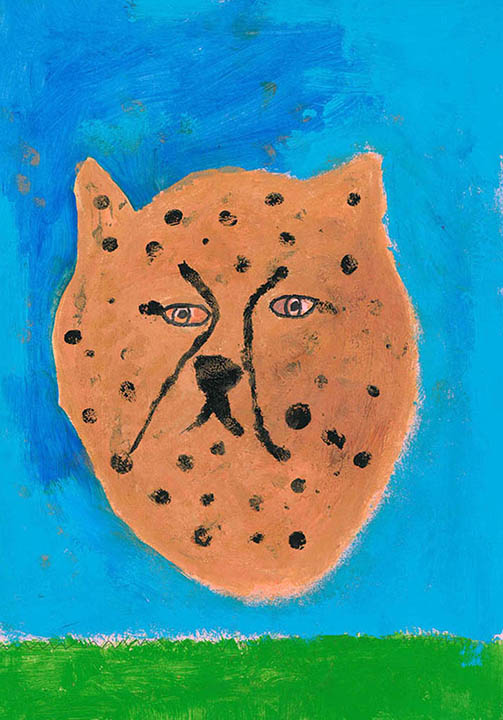
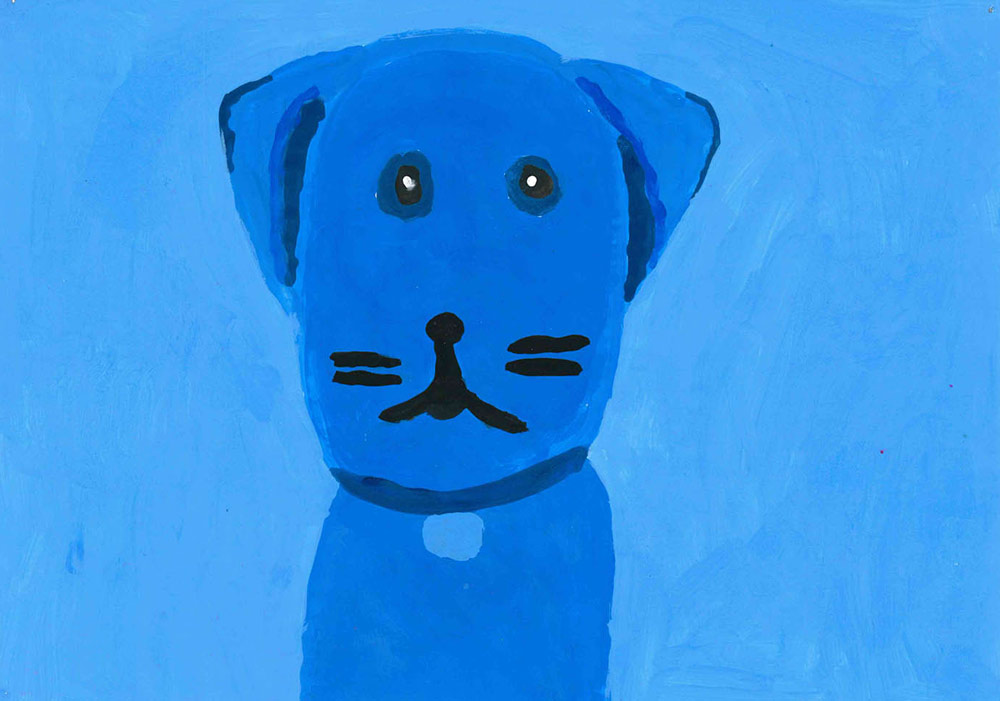
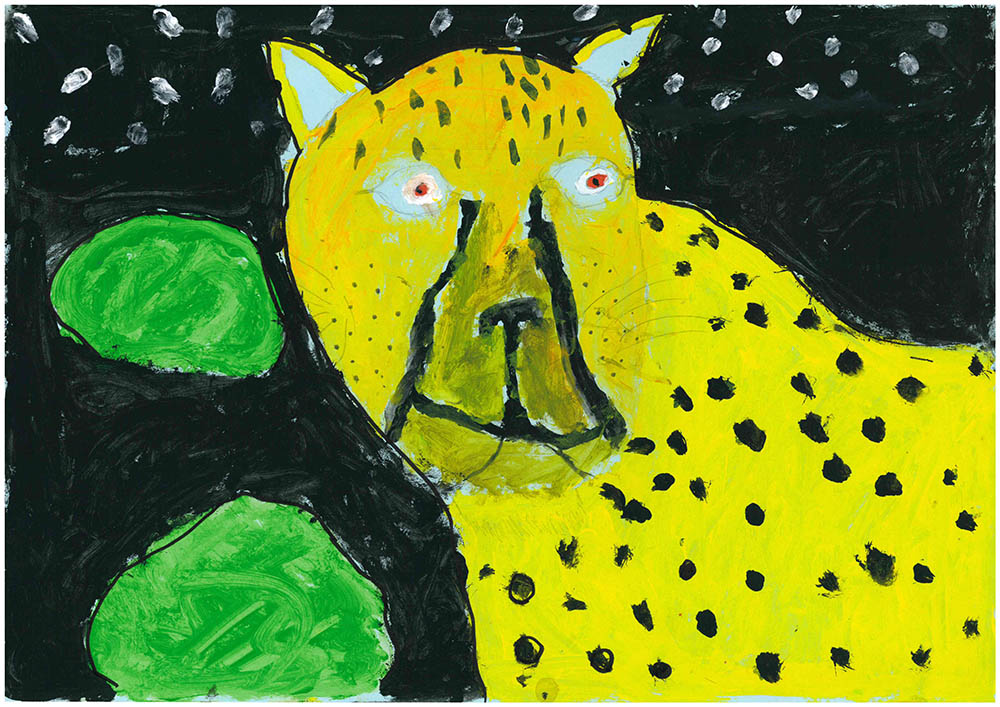
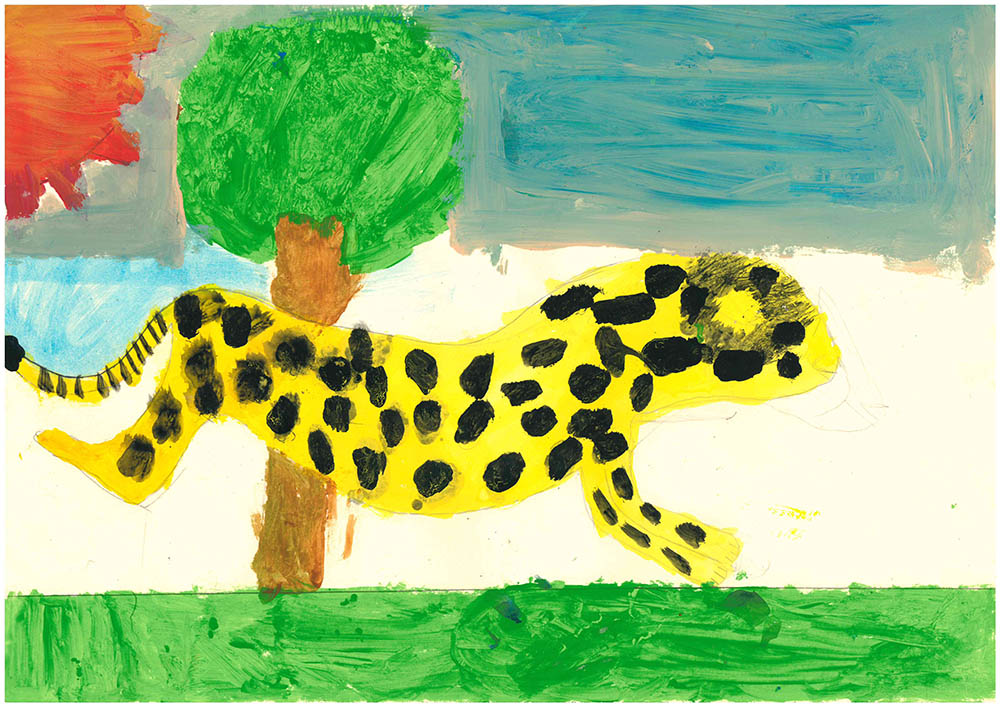
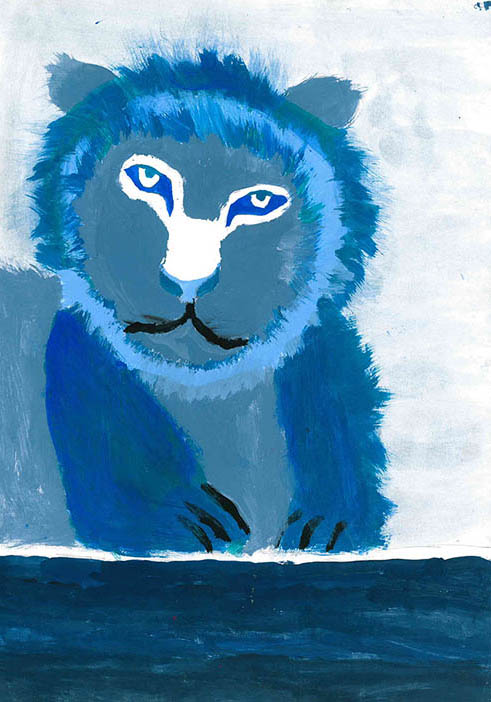
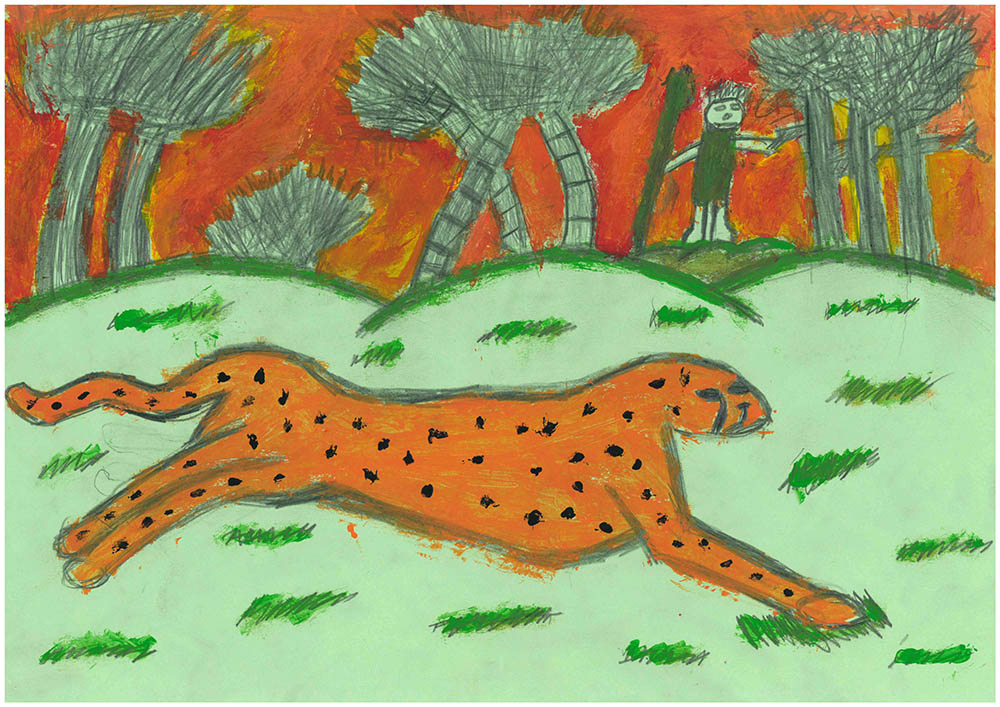
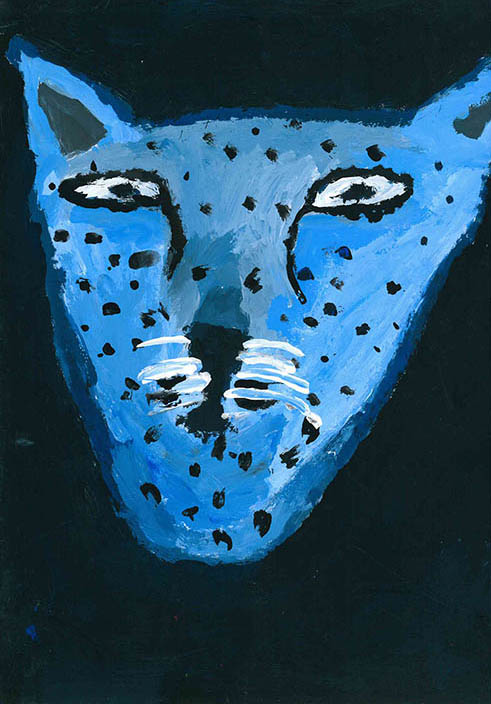
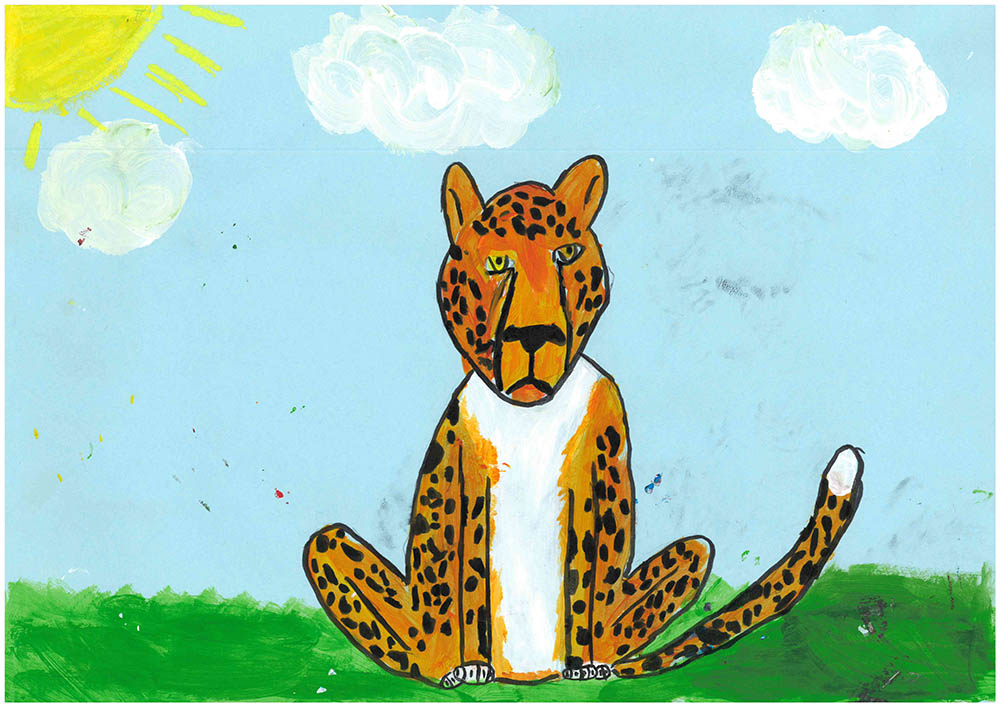
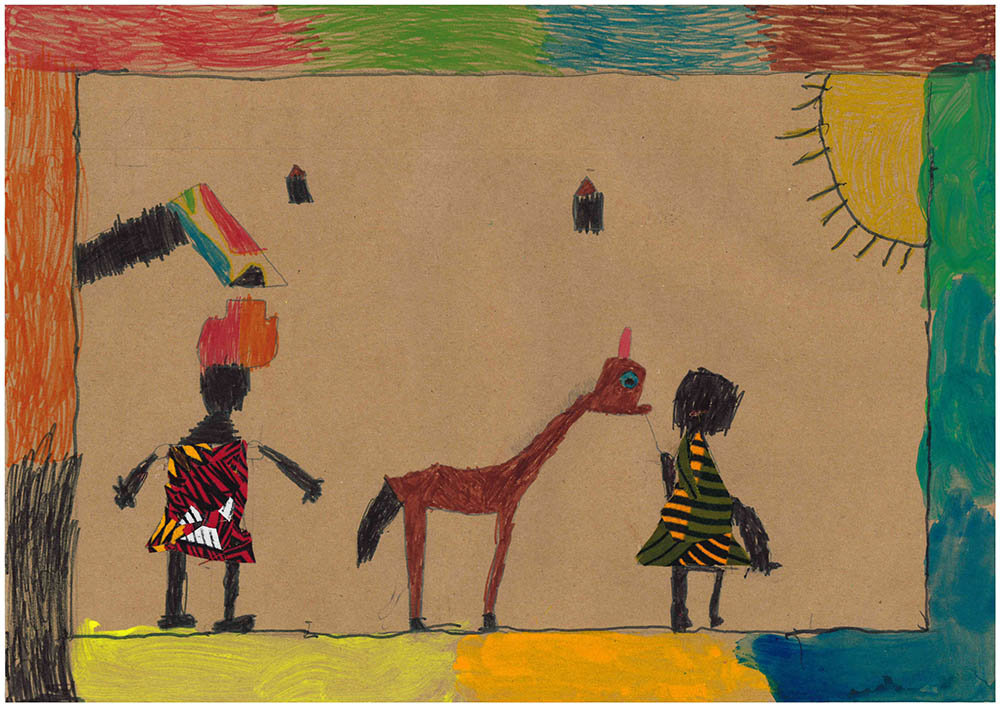
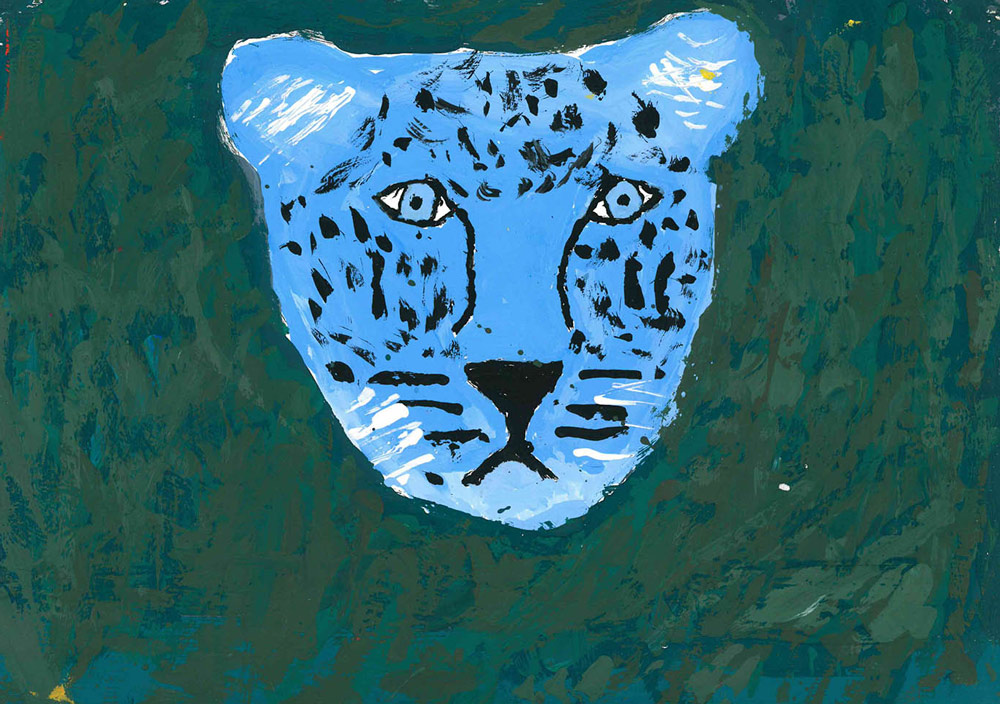
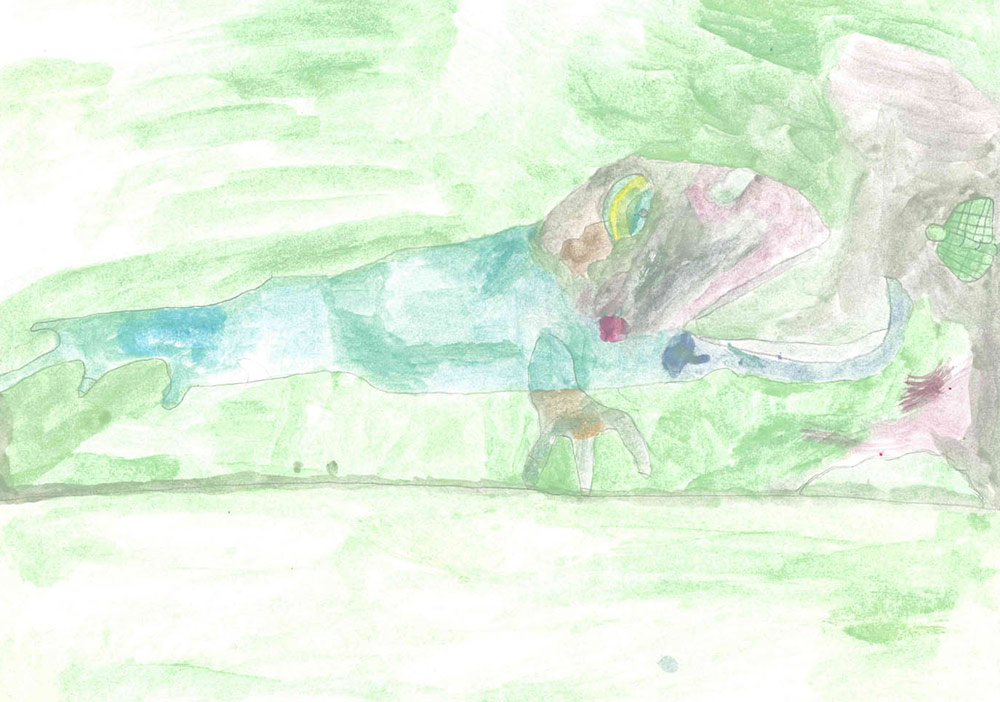
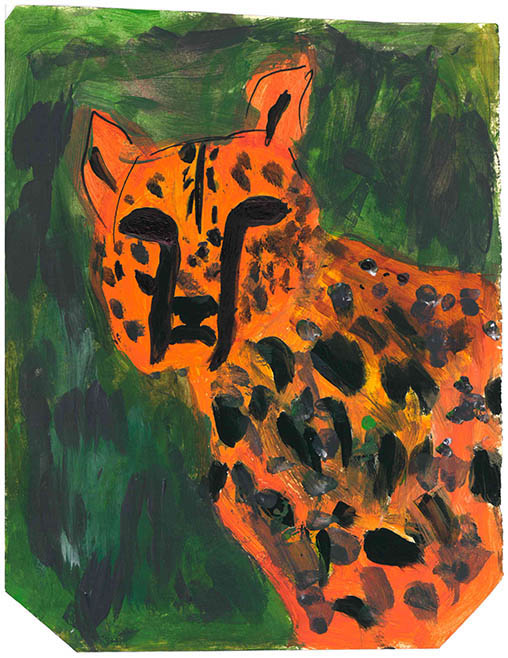
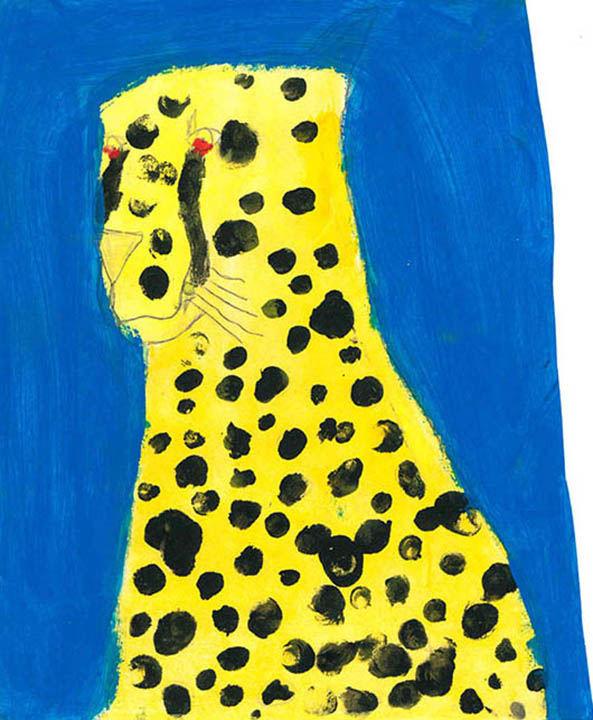
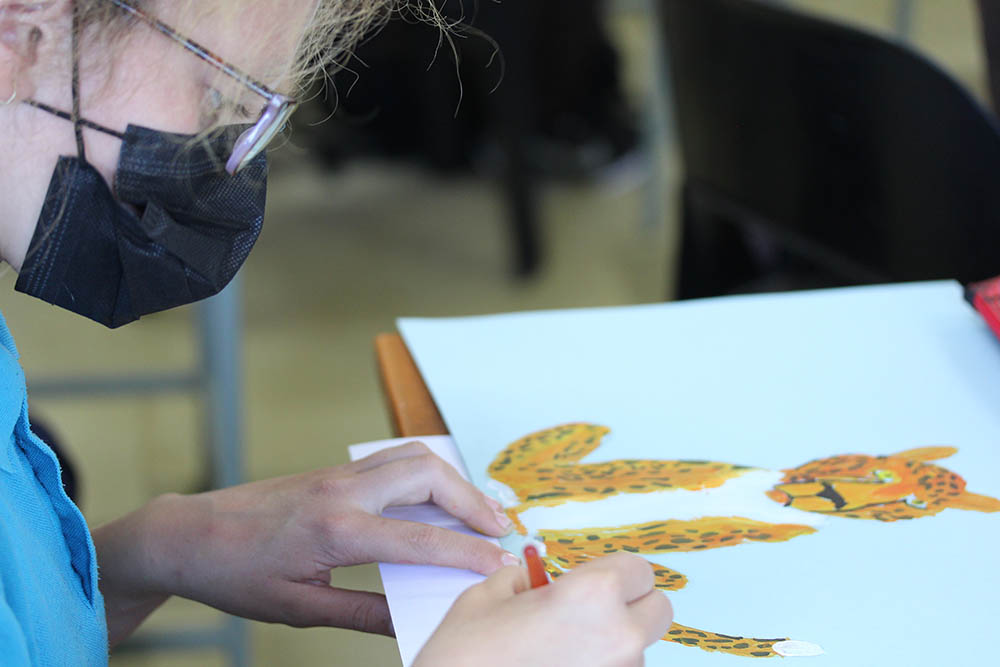
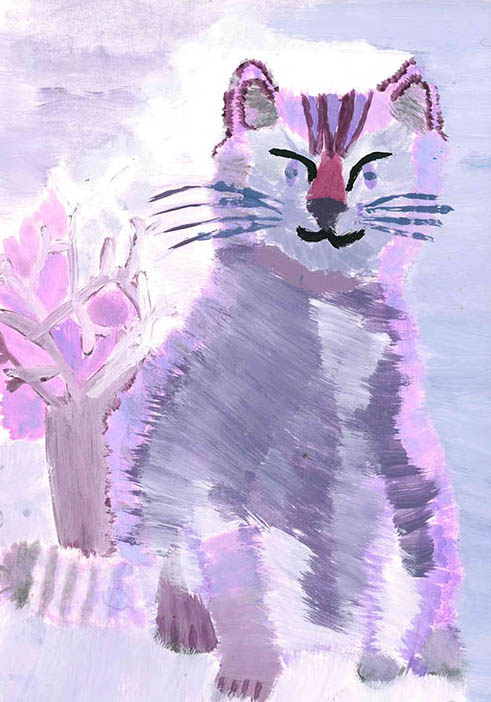
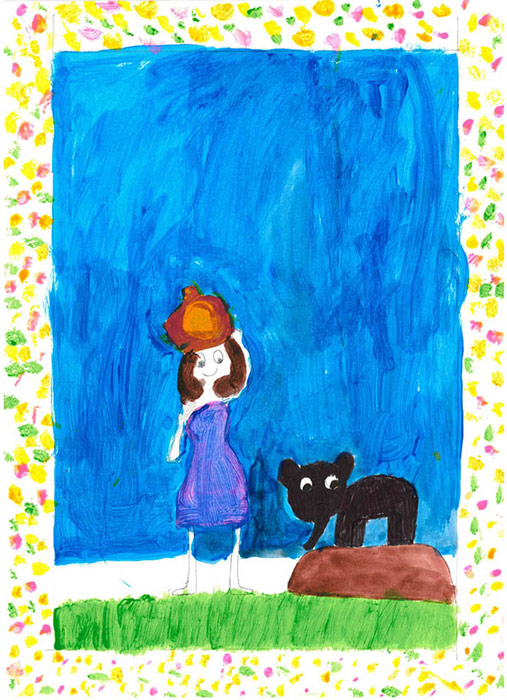
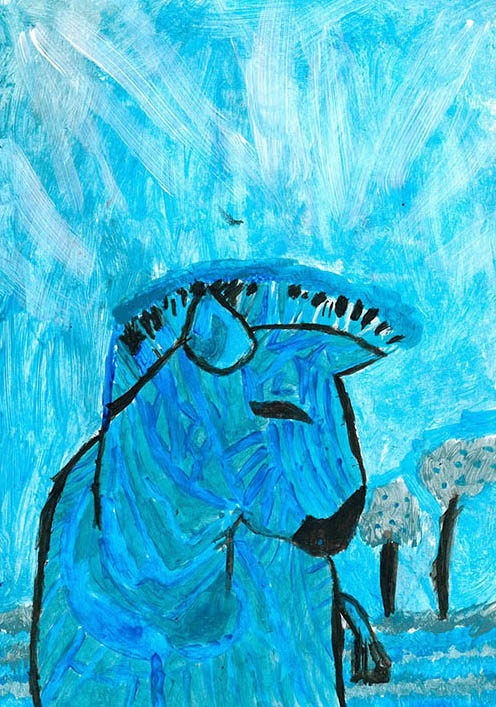
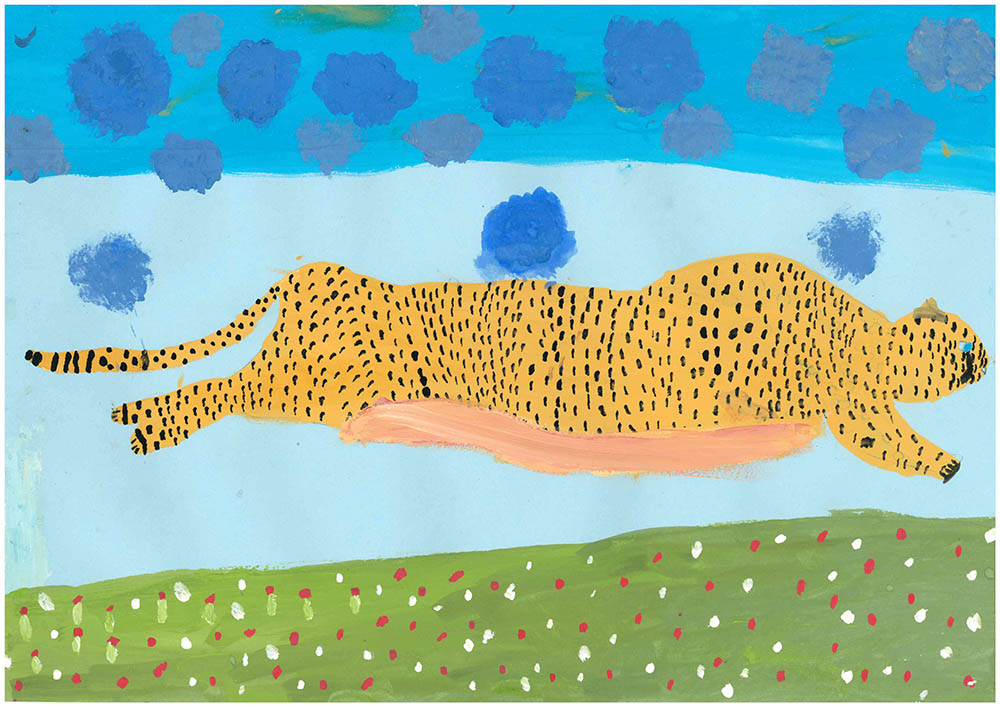
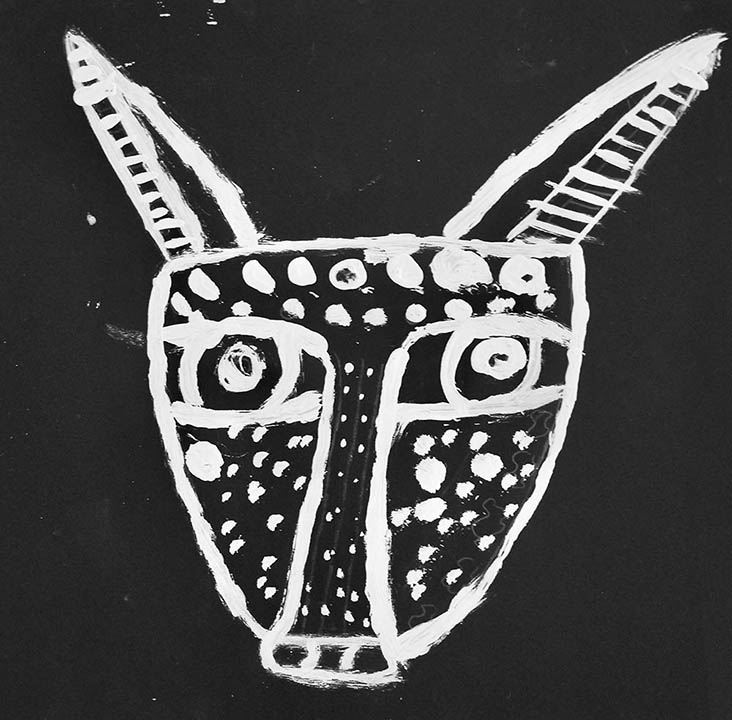
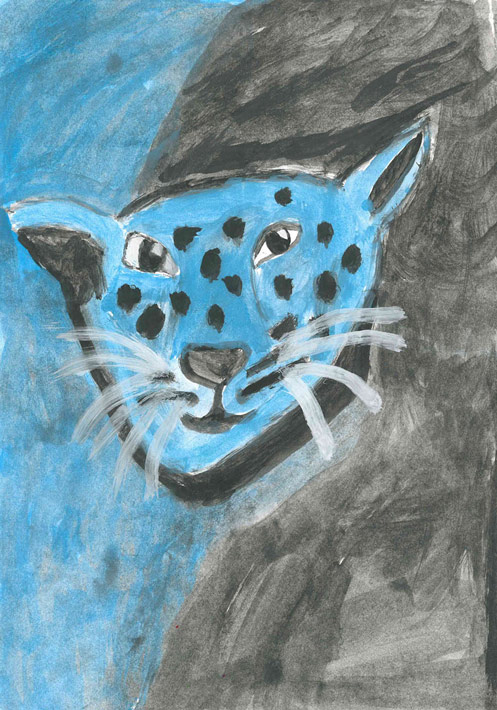
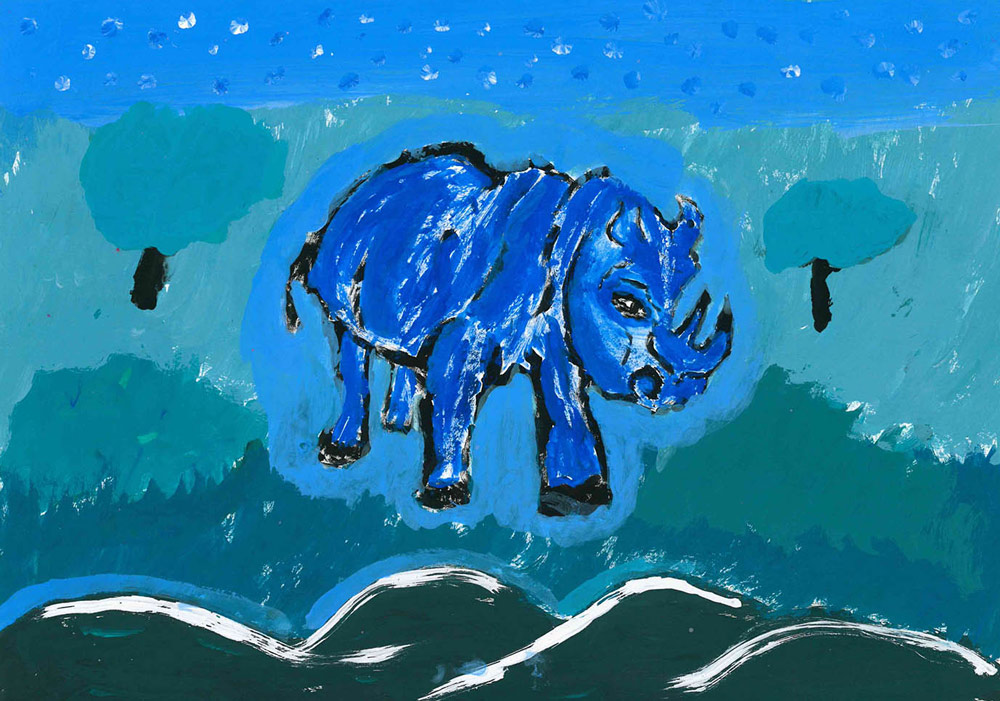
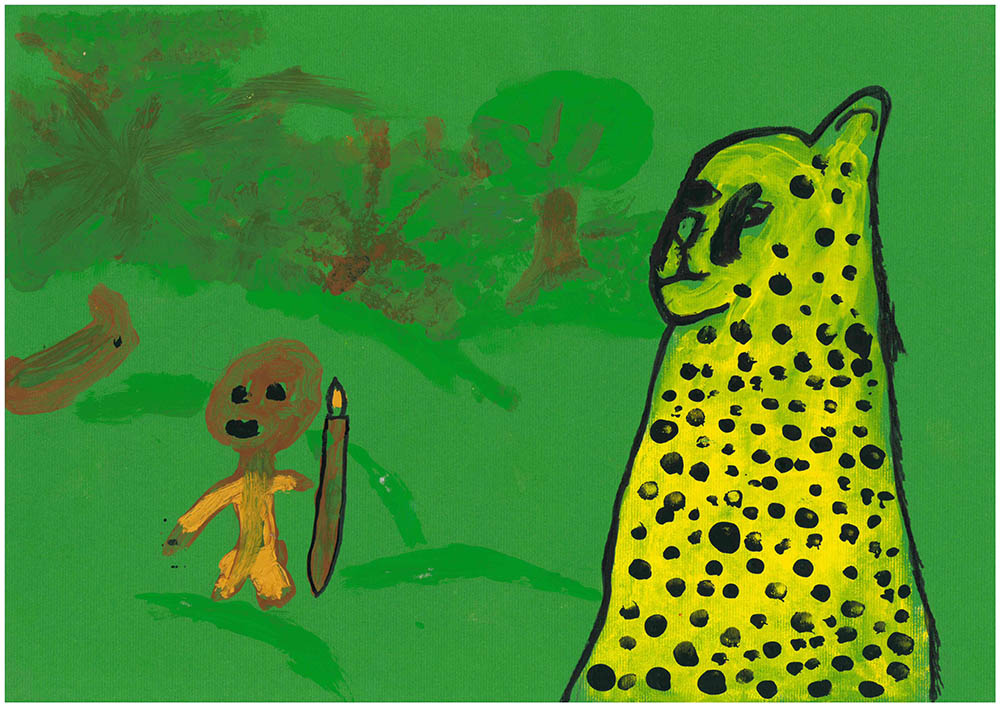
The fables from Africa tell why the hippo has no hair, why lions and hyenas are enemies or why the cheetah has tear stains on his face.
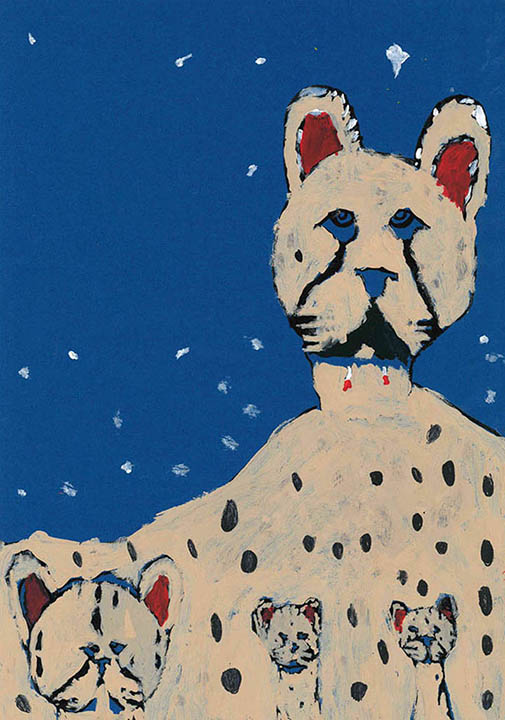
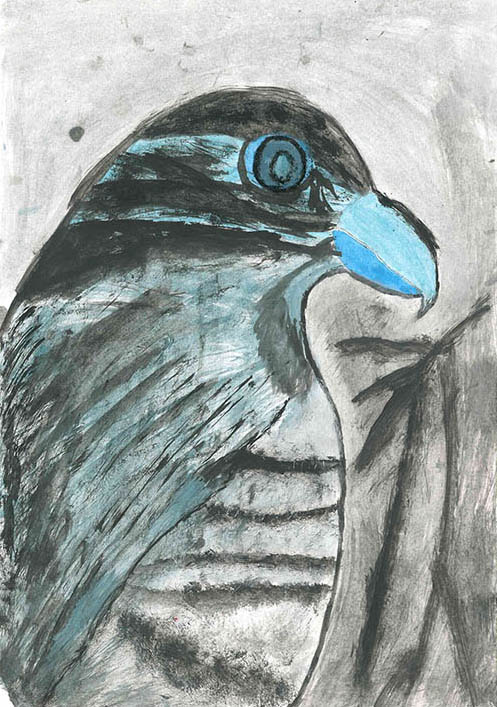
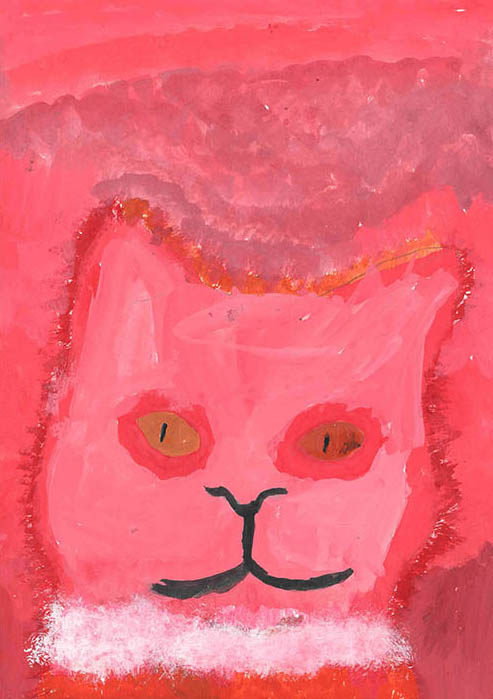
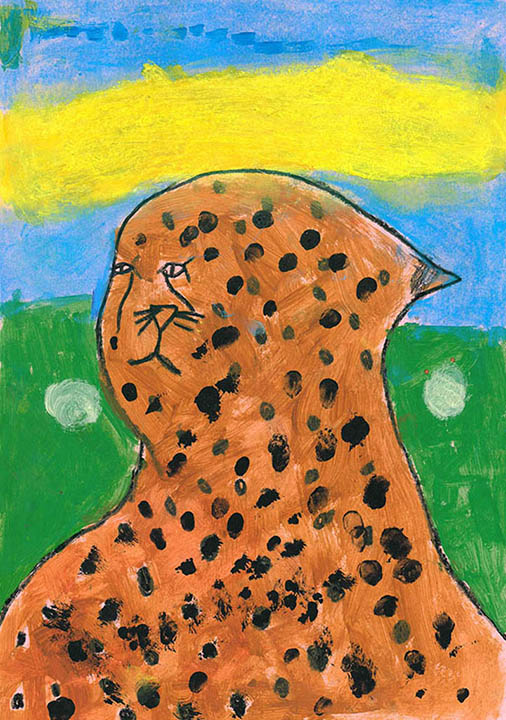
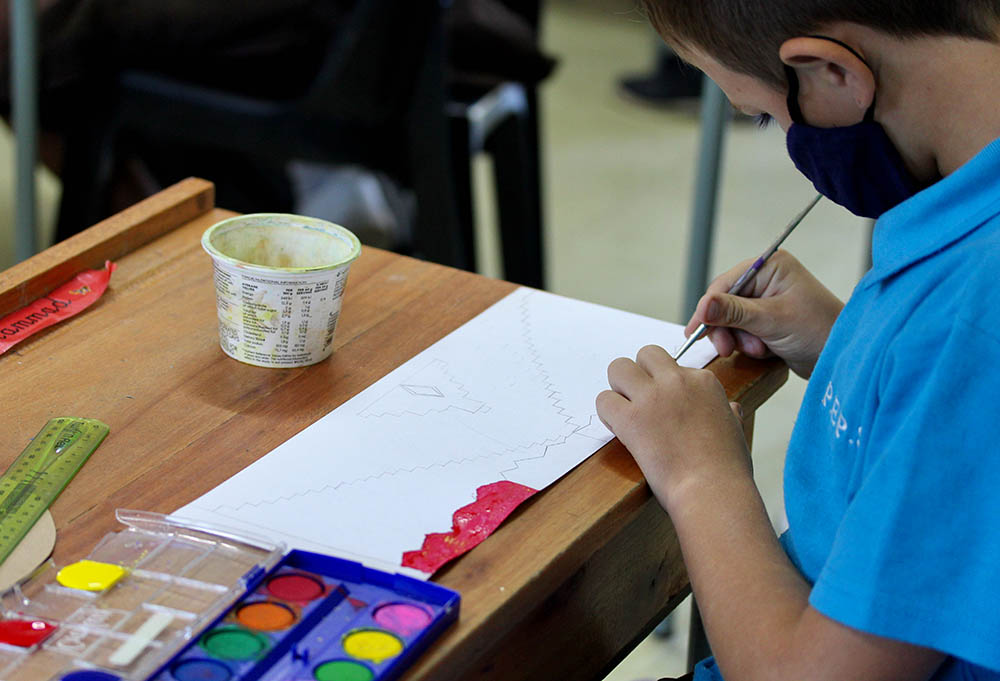
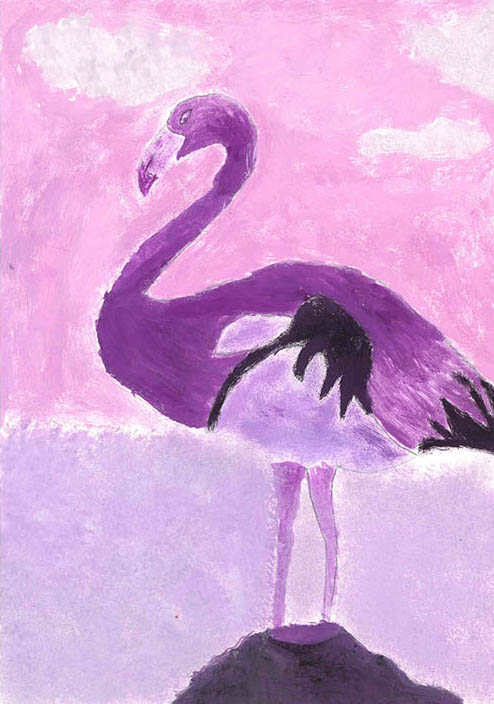
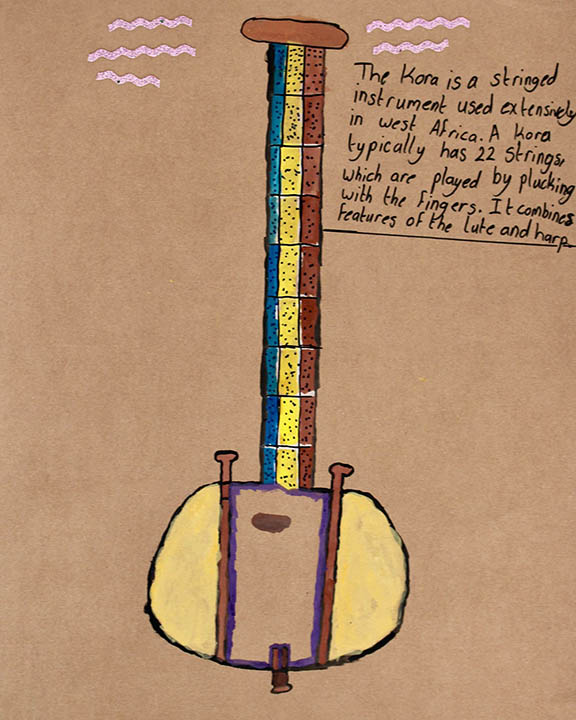
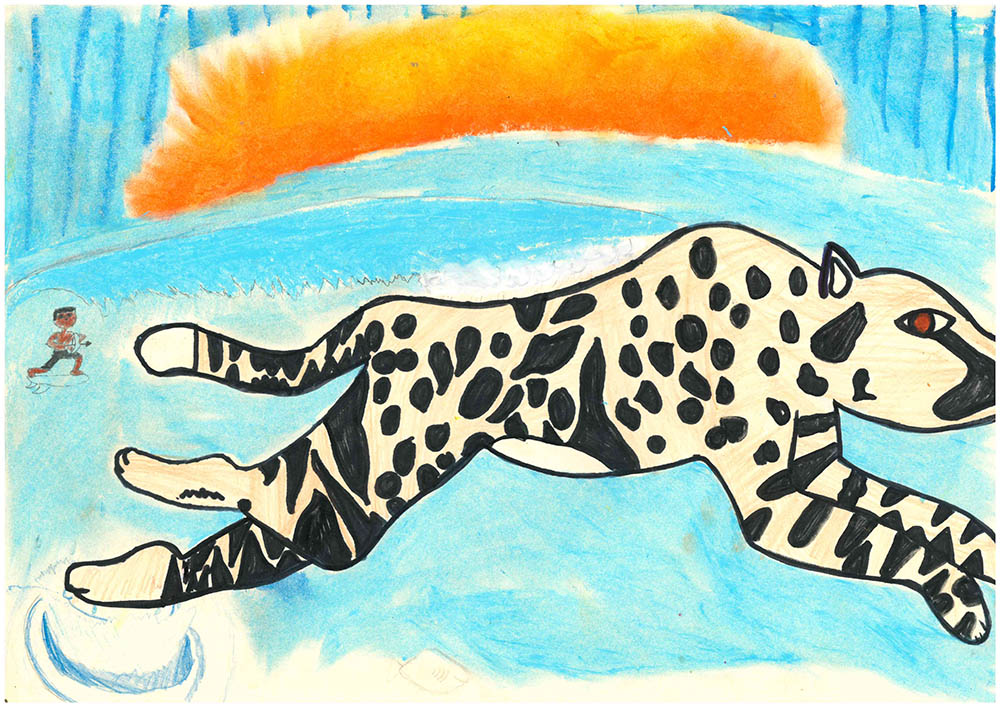
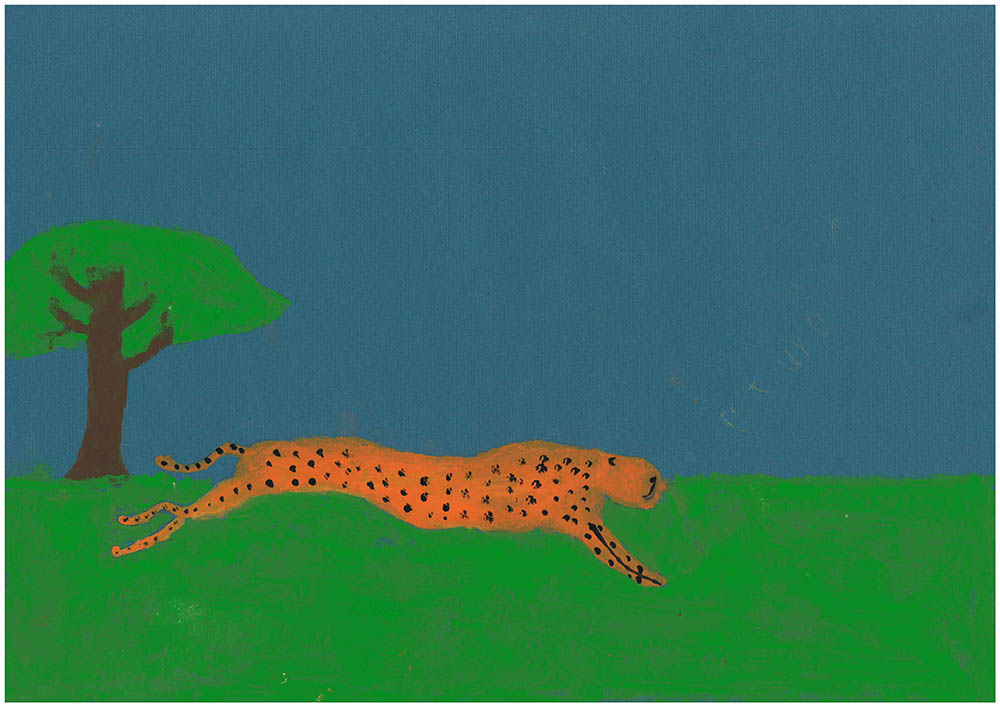
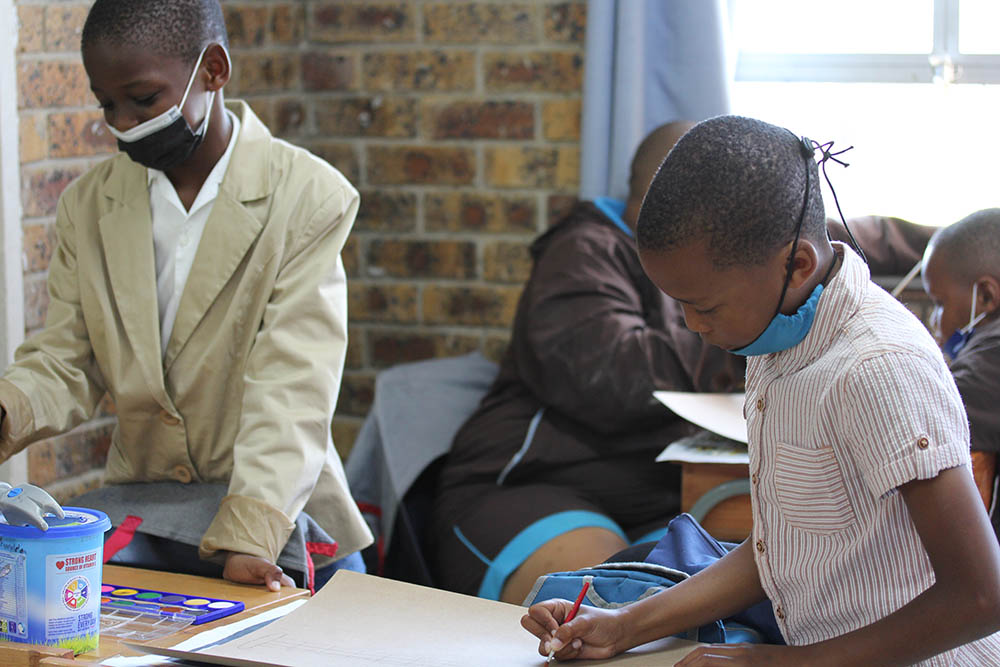
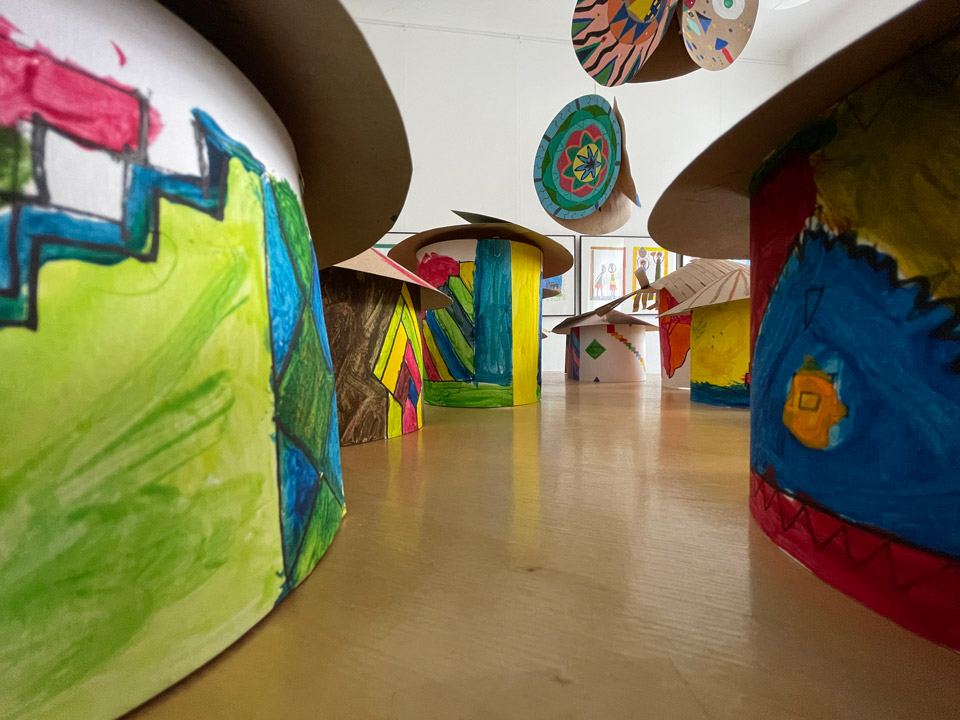
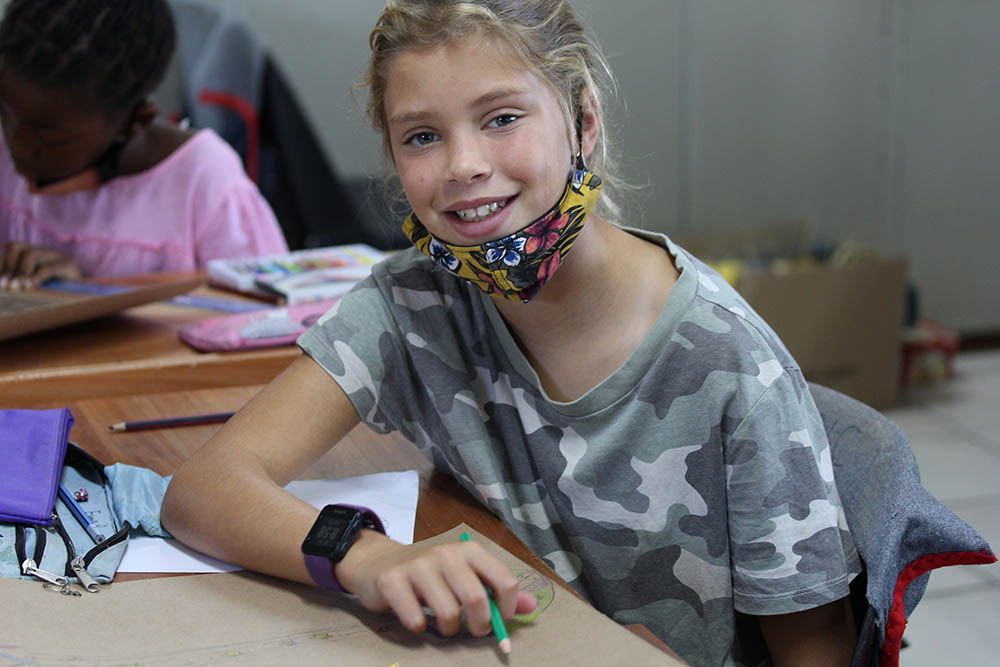
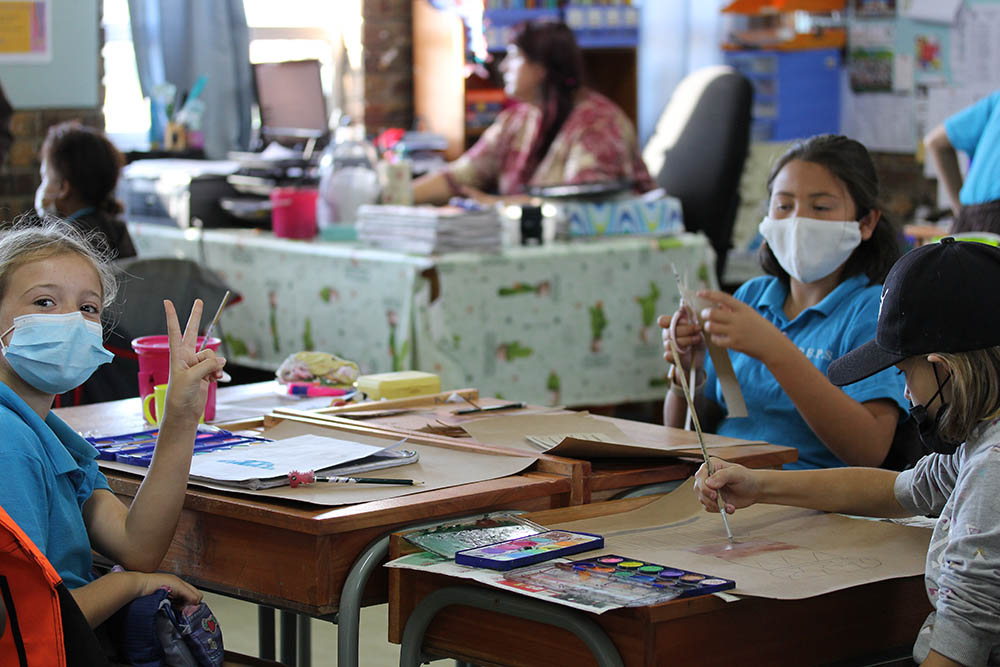
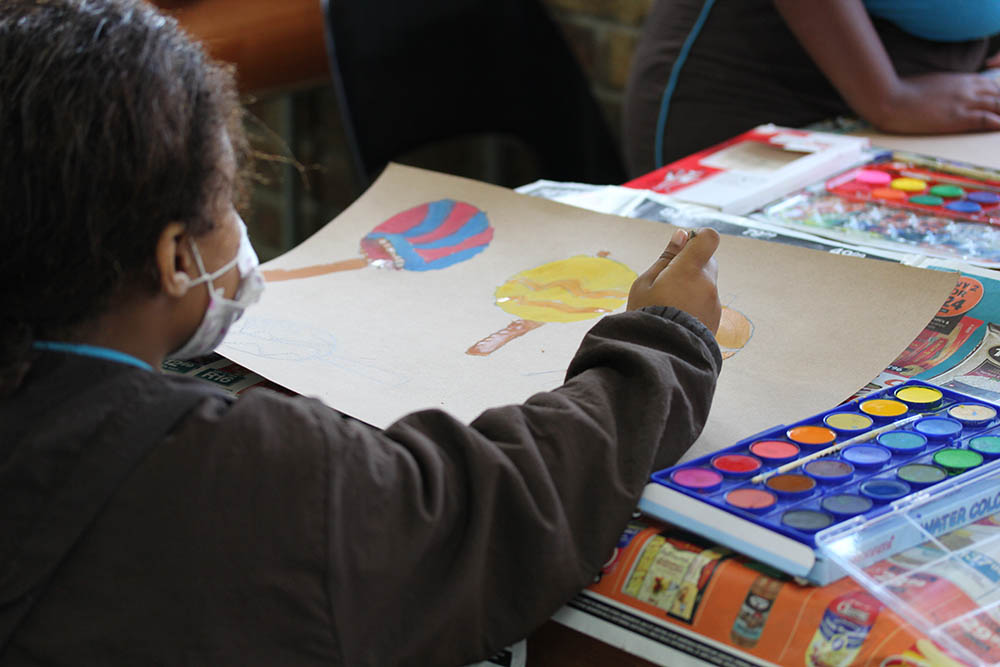
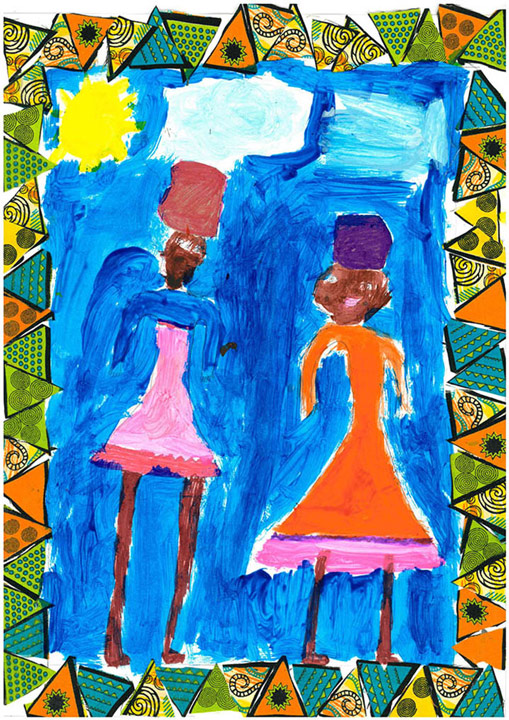
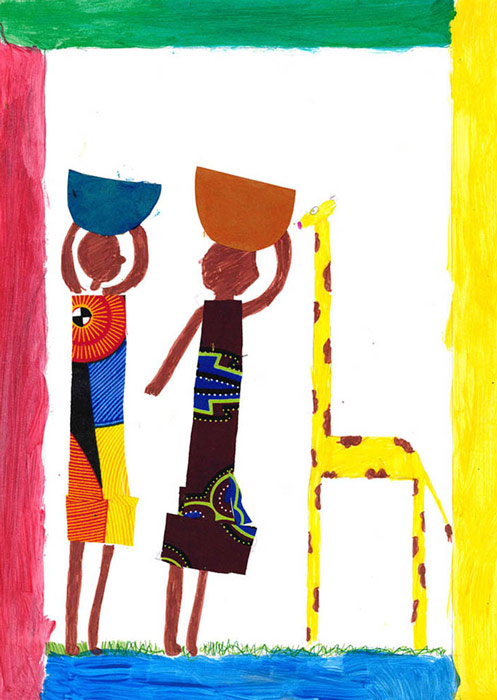
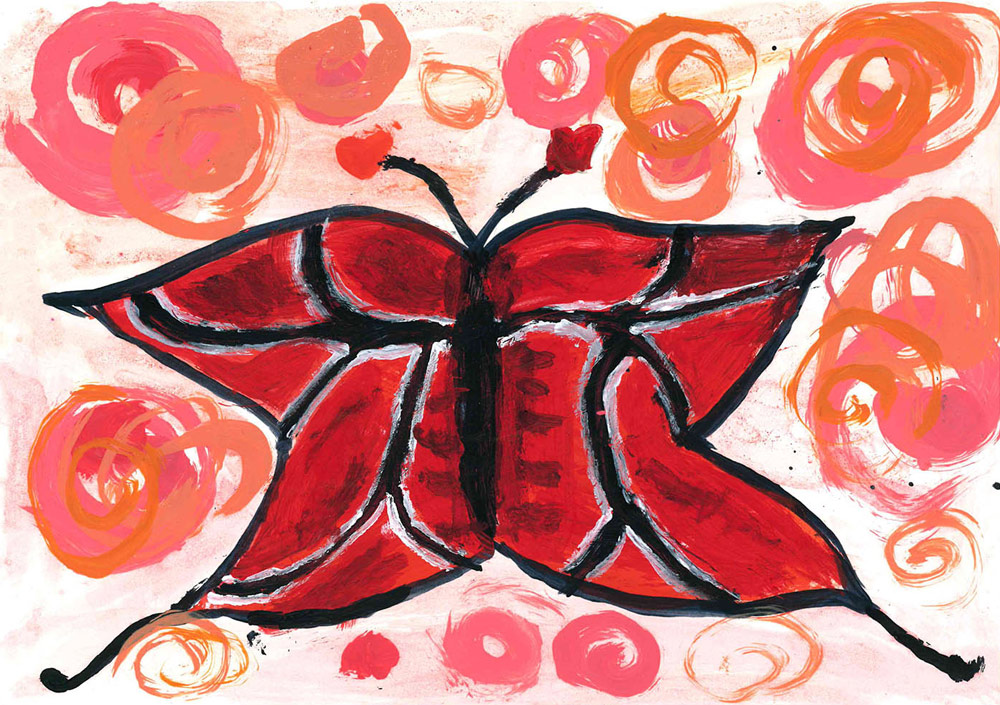
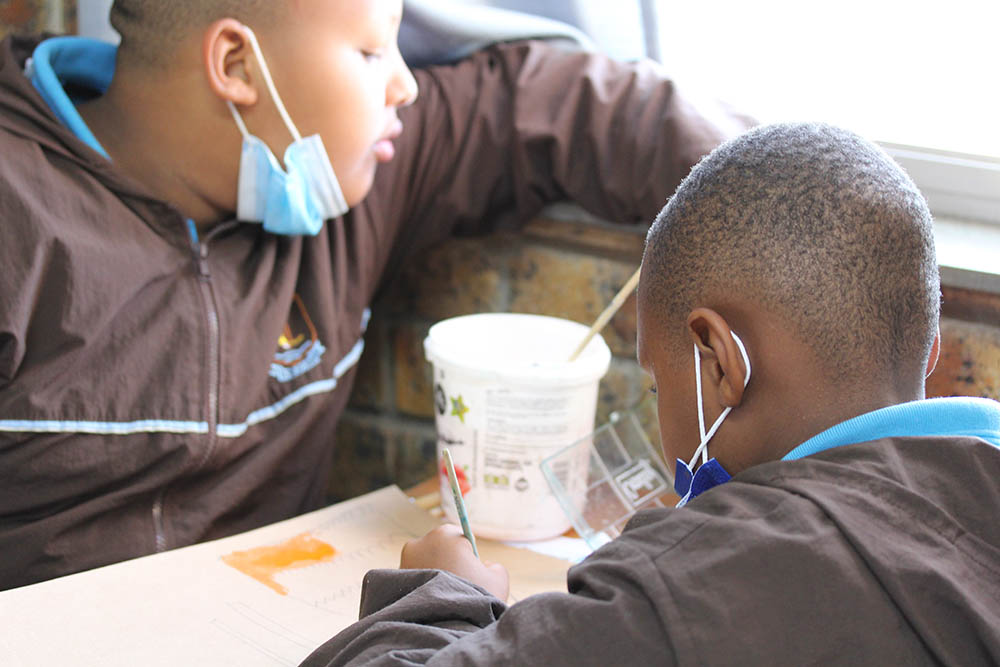
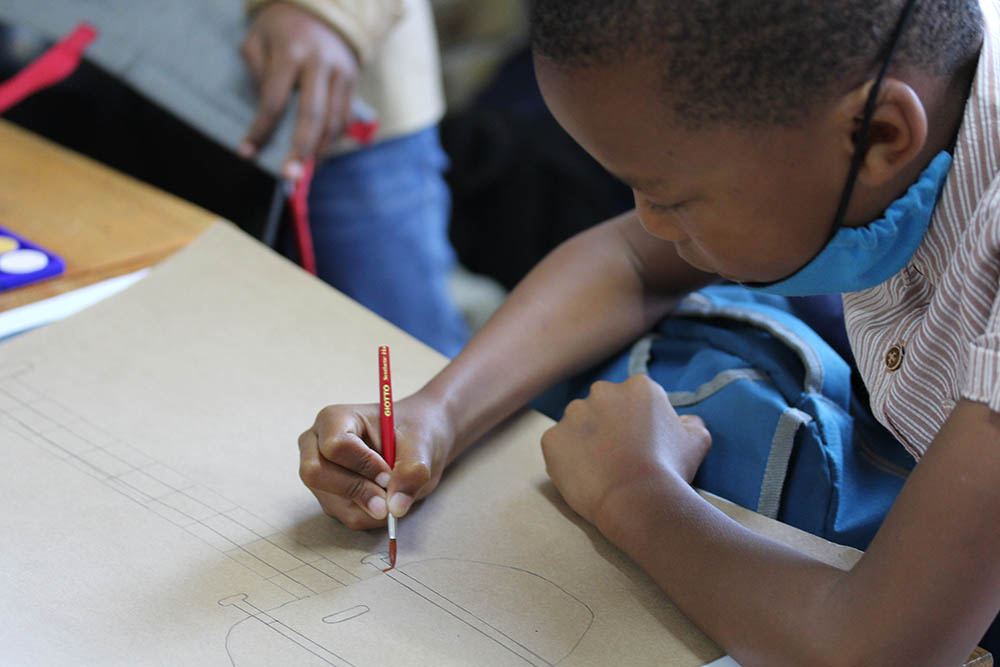
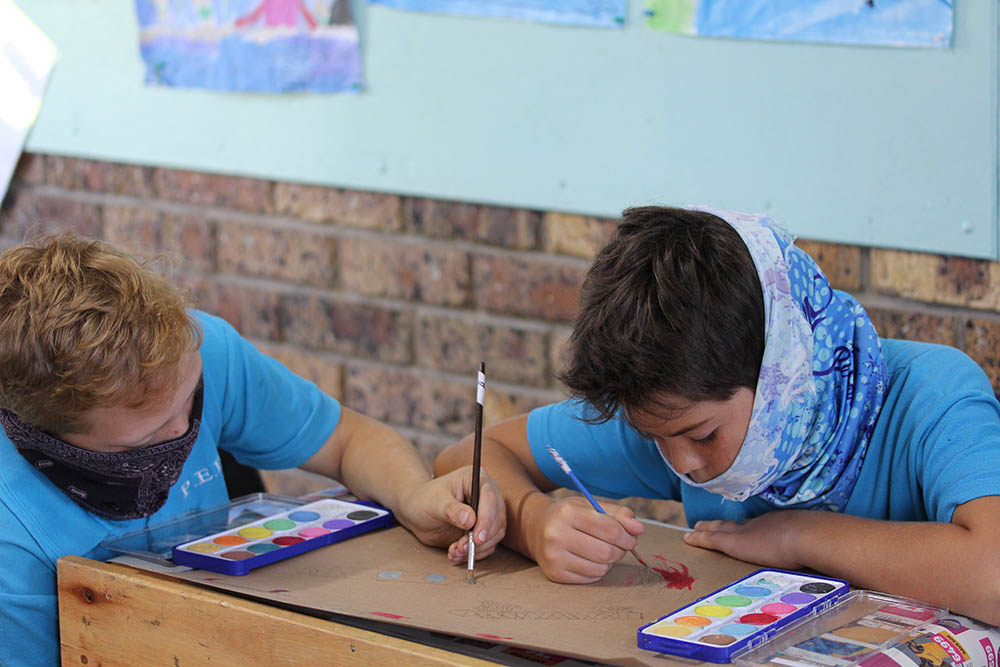
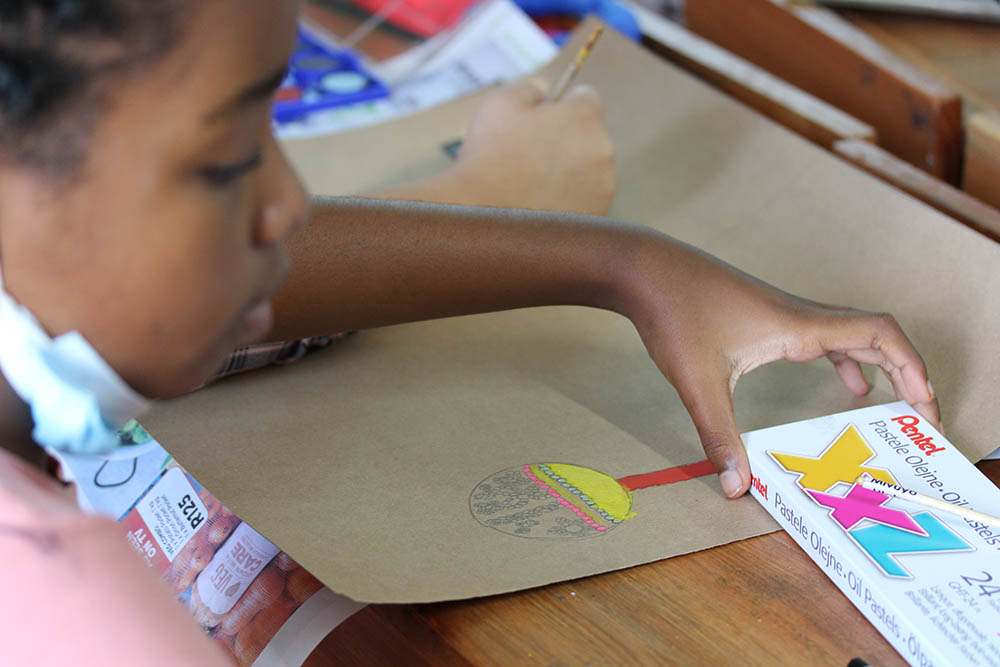
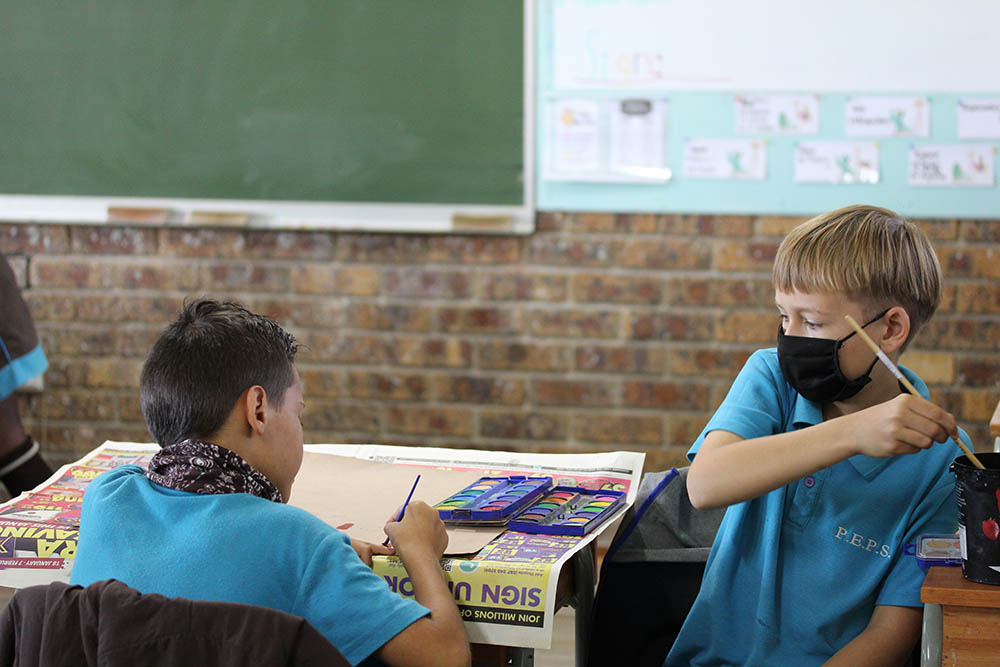
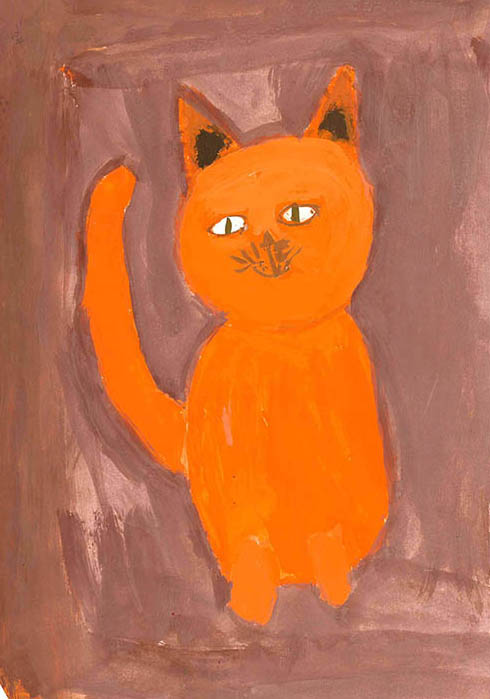
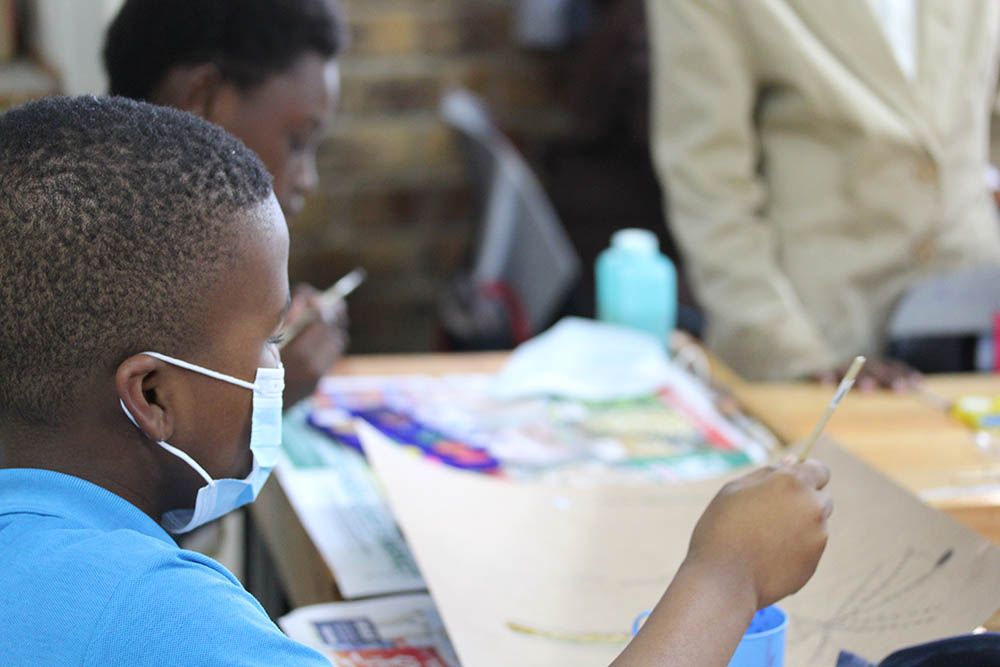
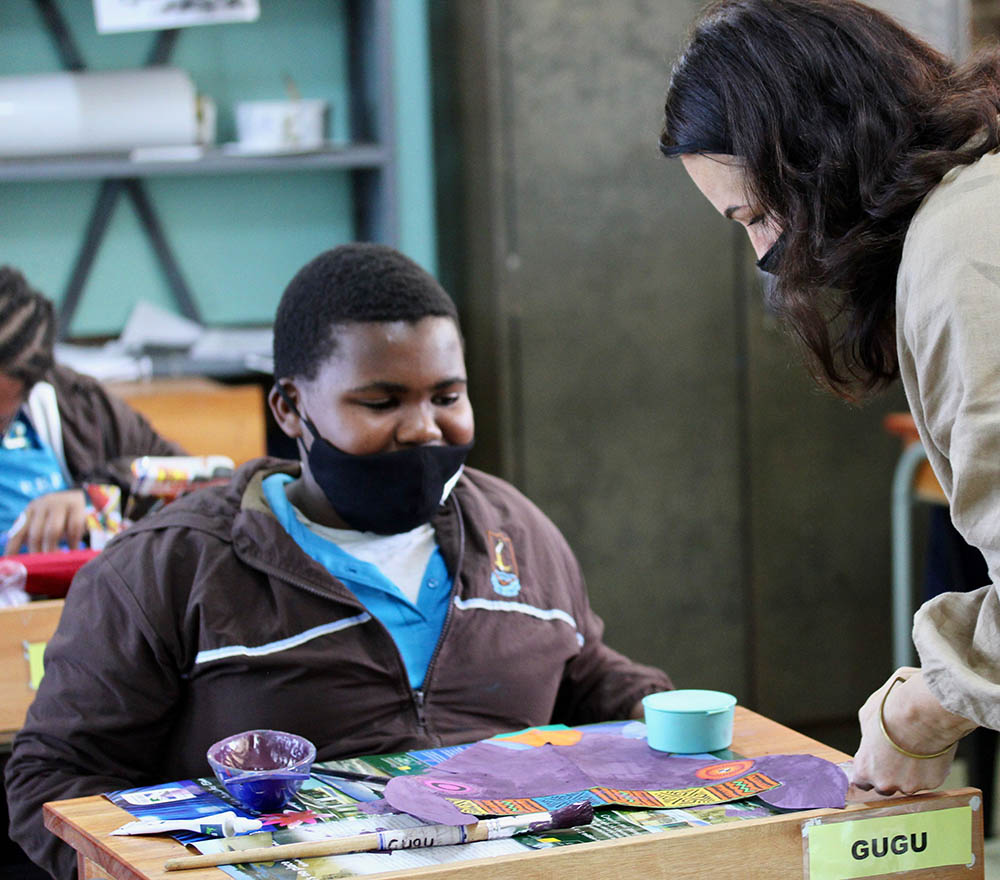
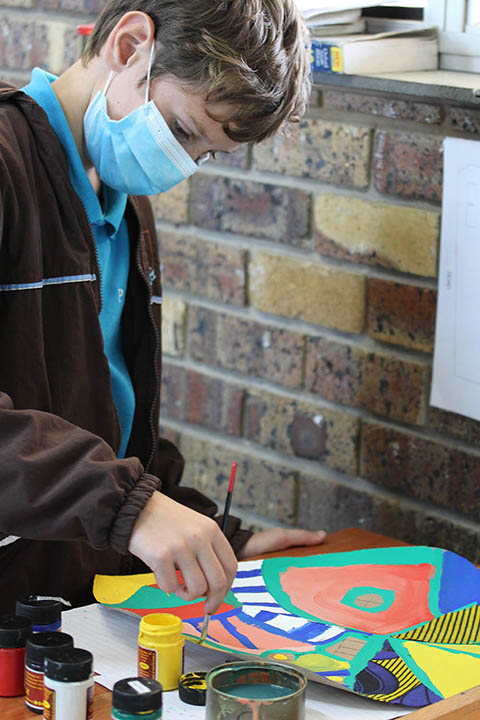
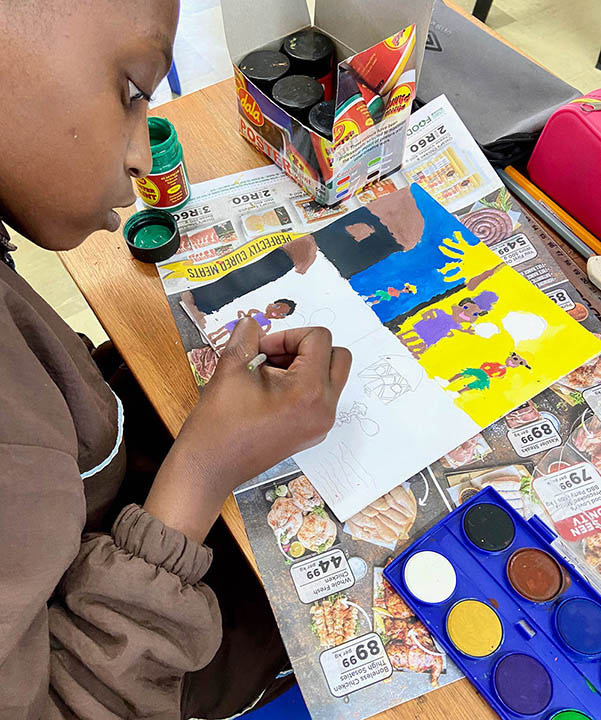
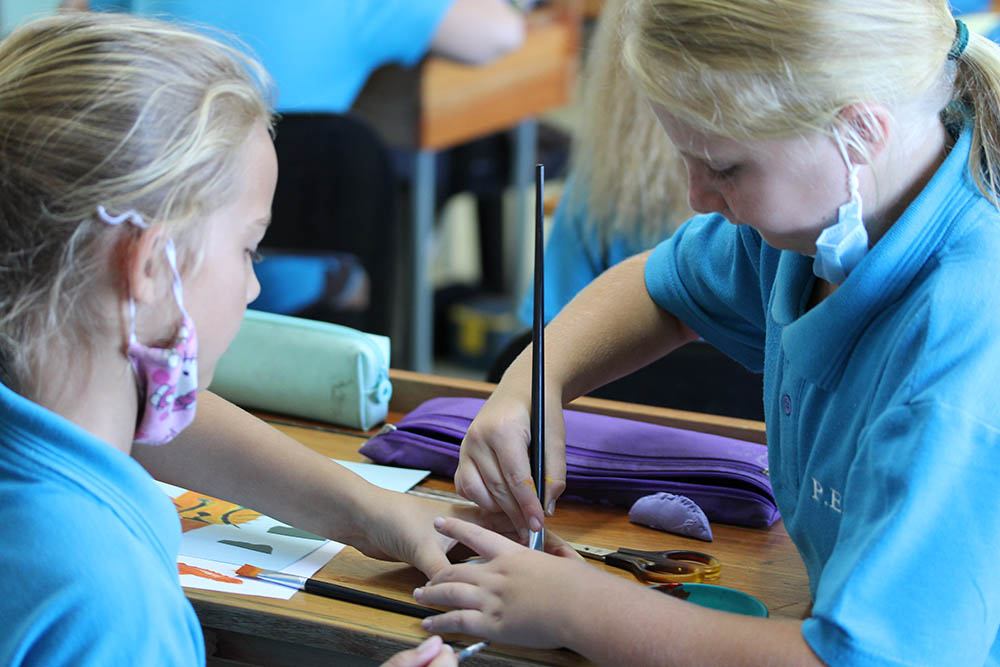
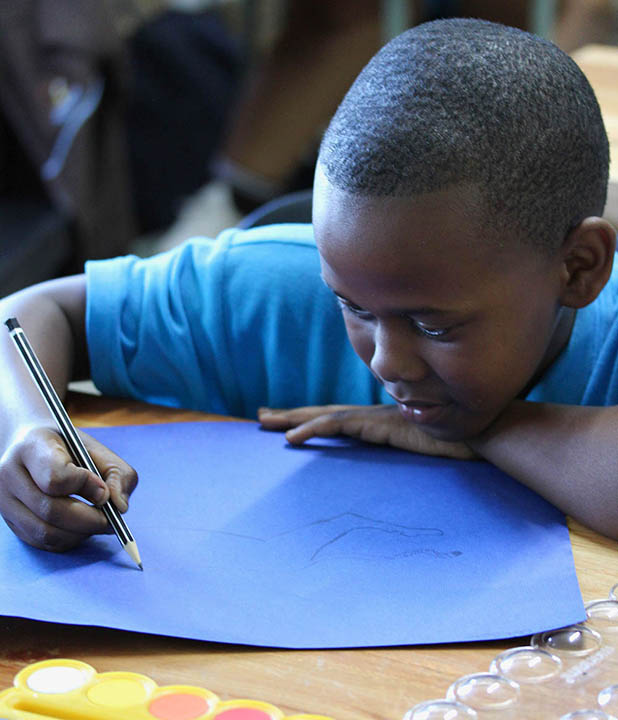
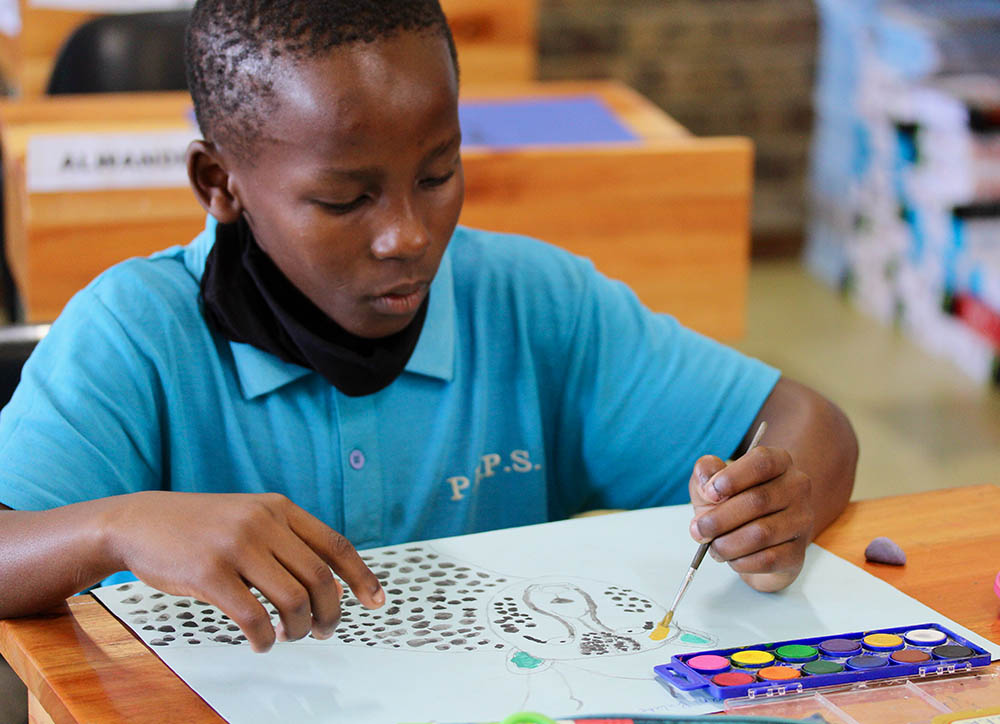
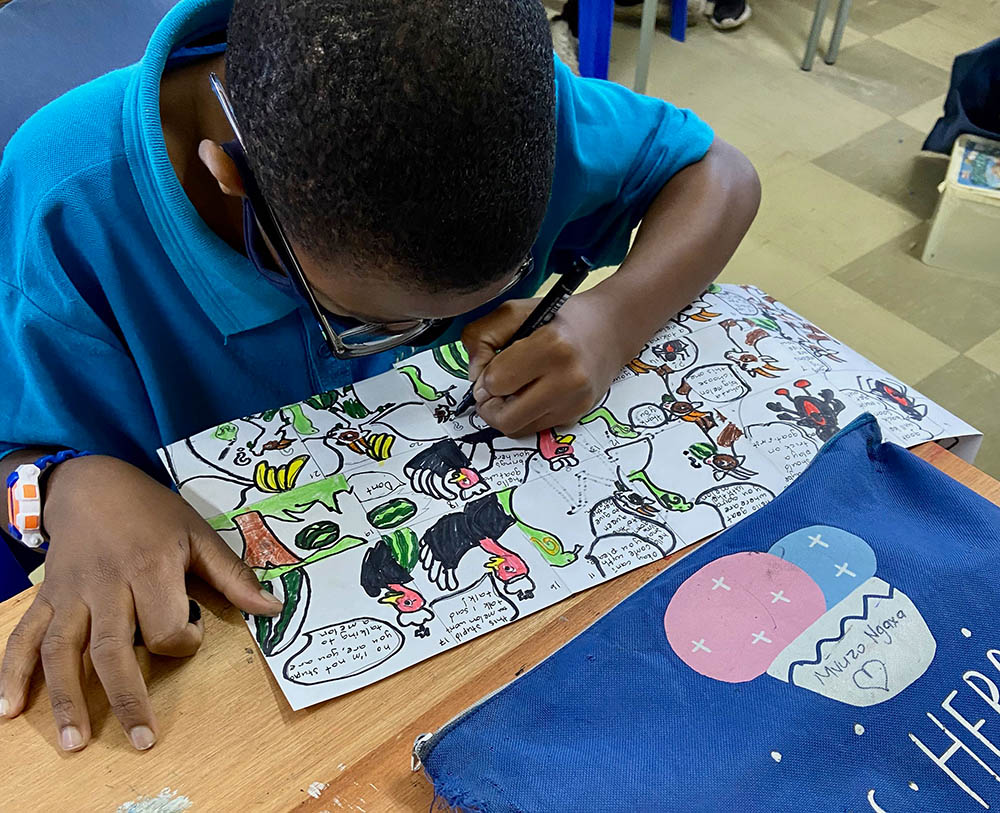
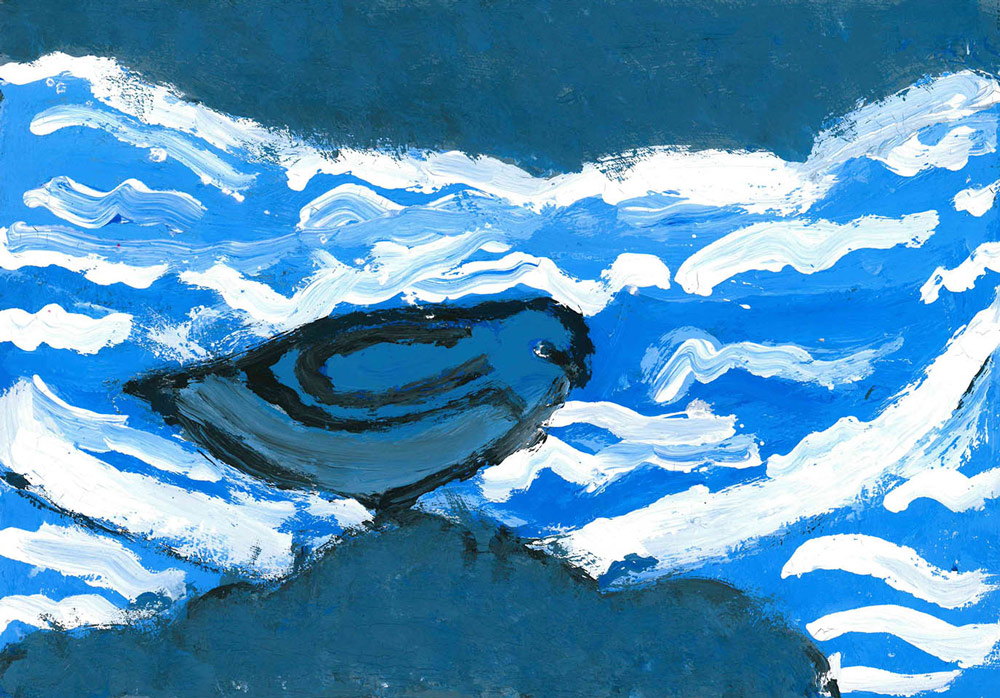
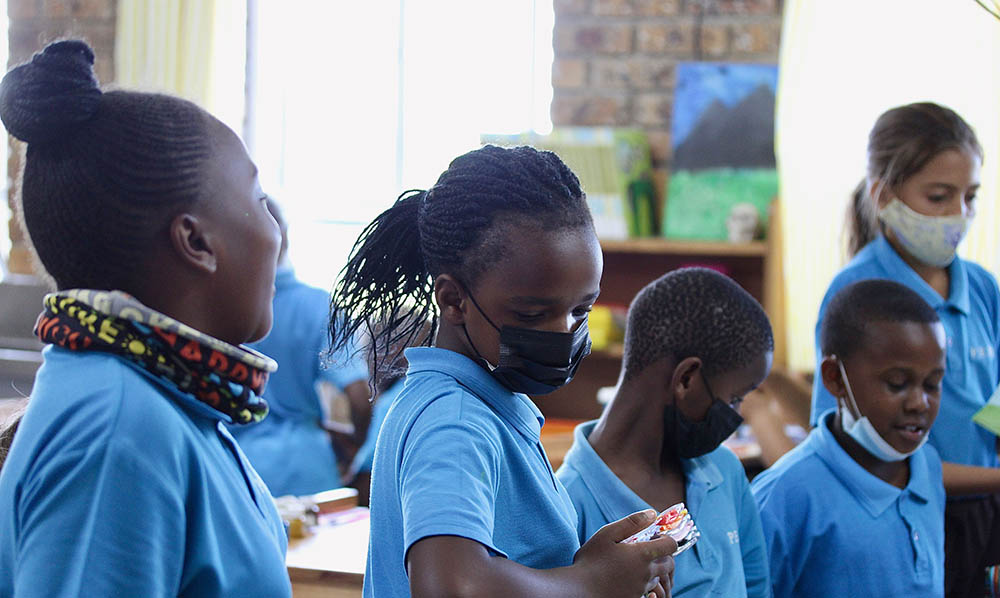
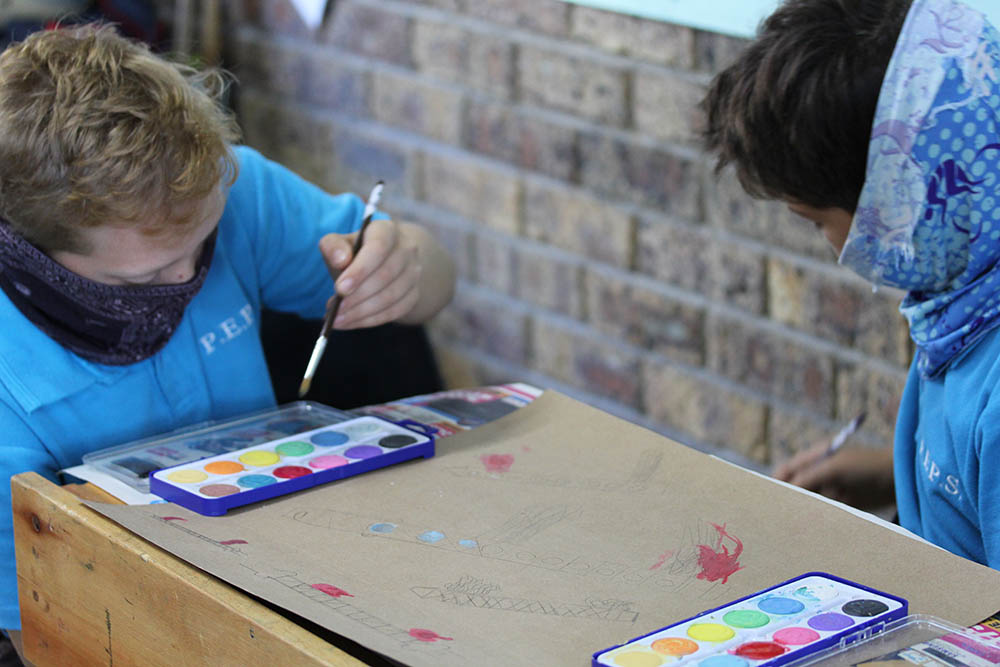
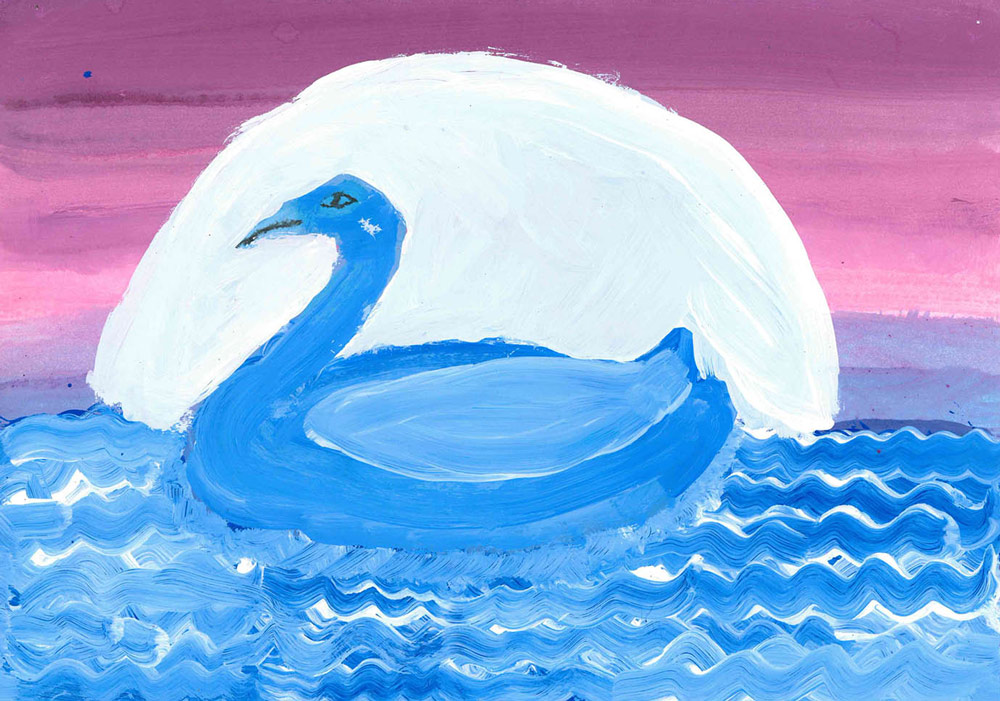
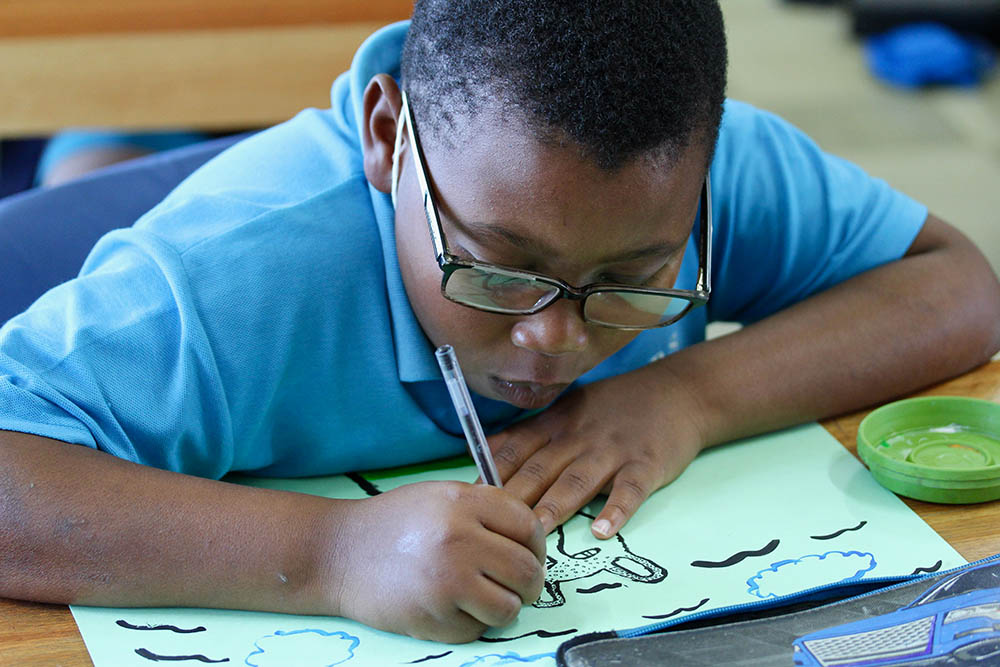
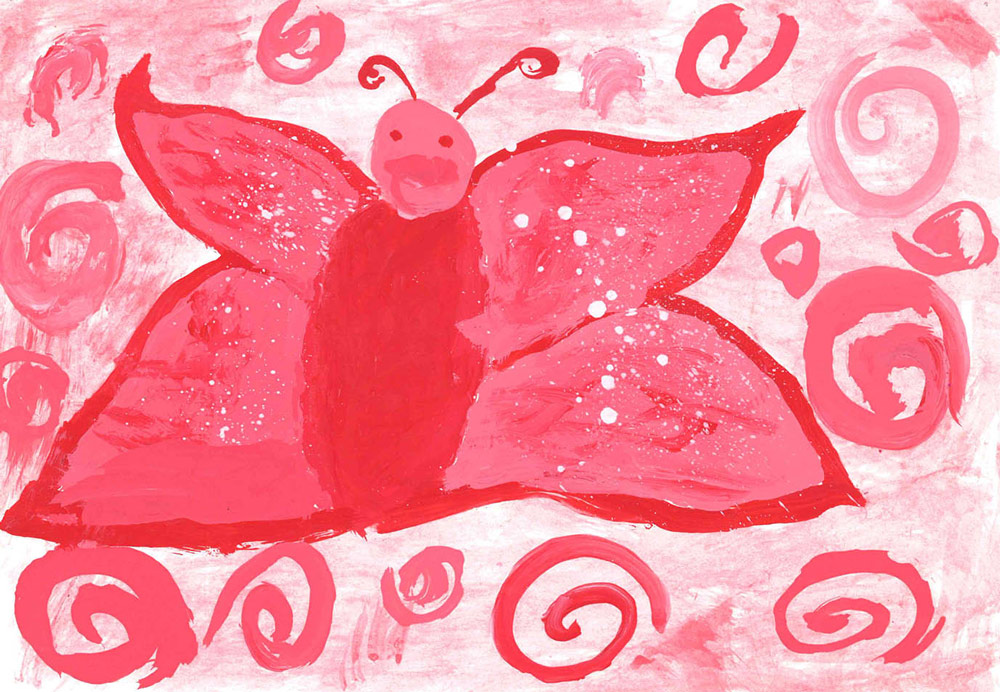
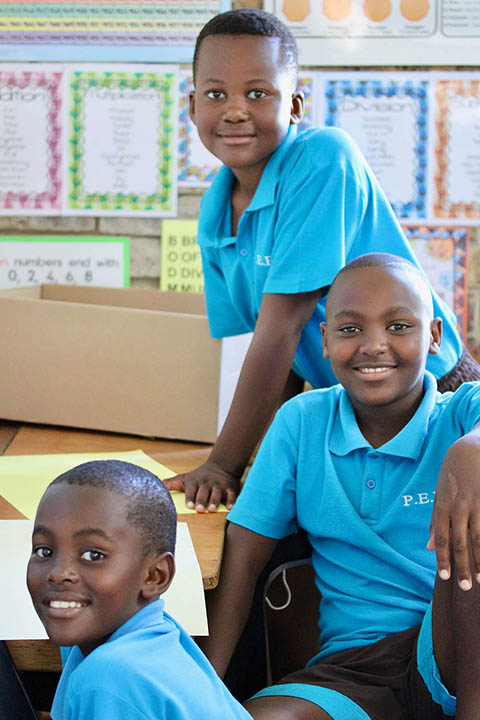
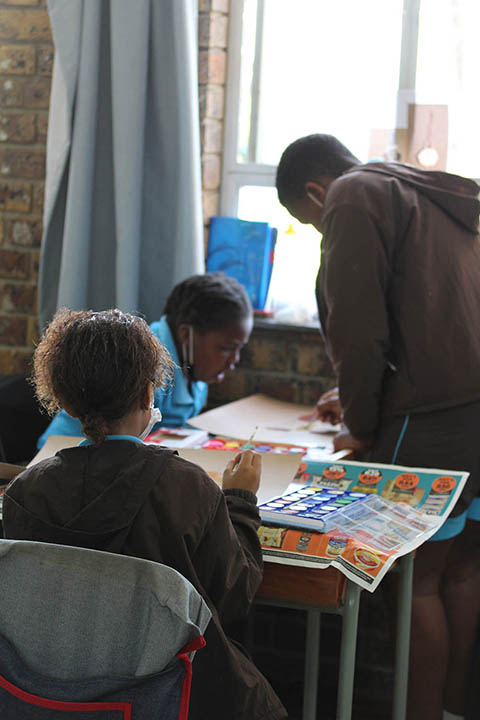
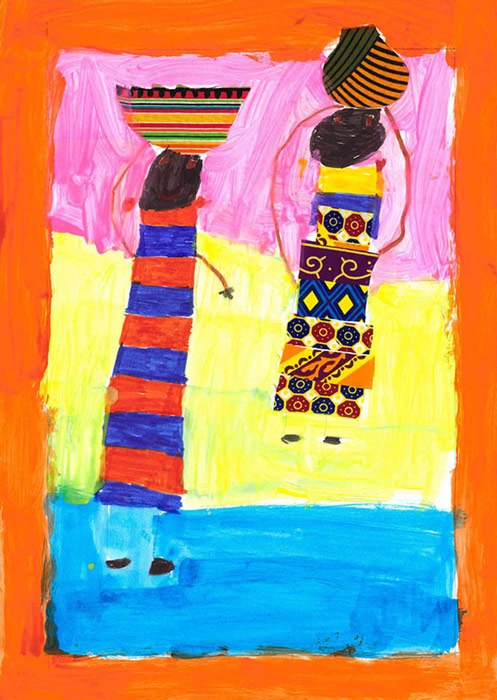
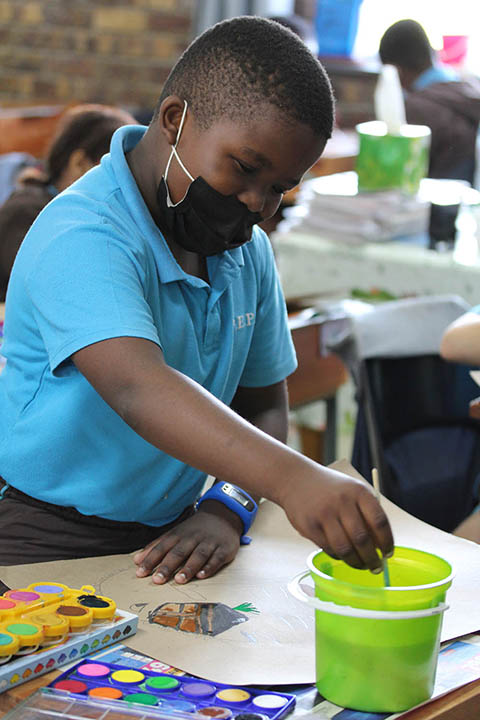
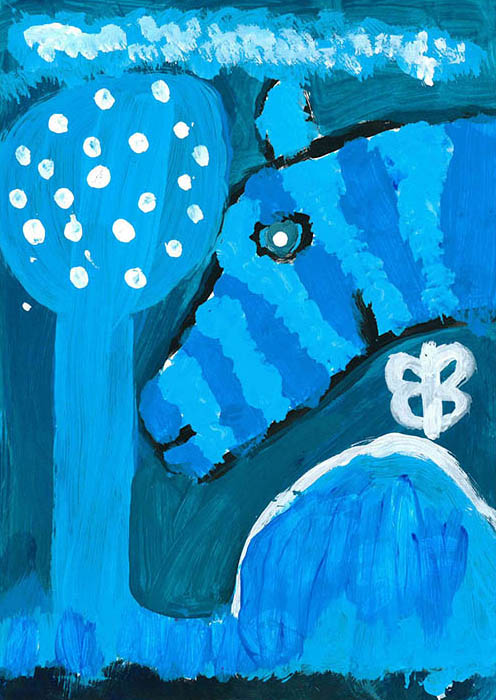
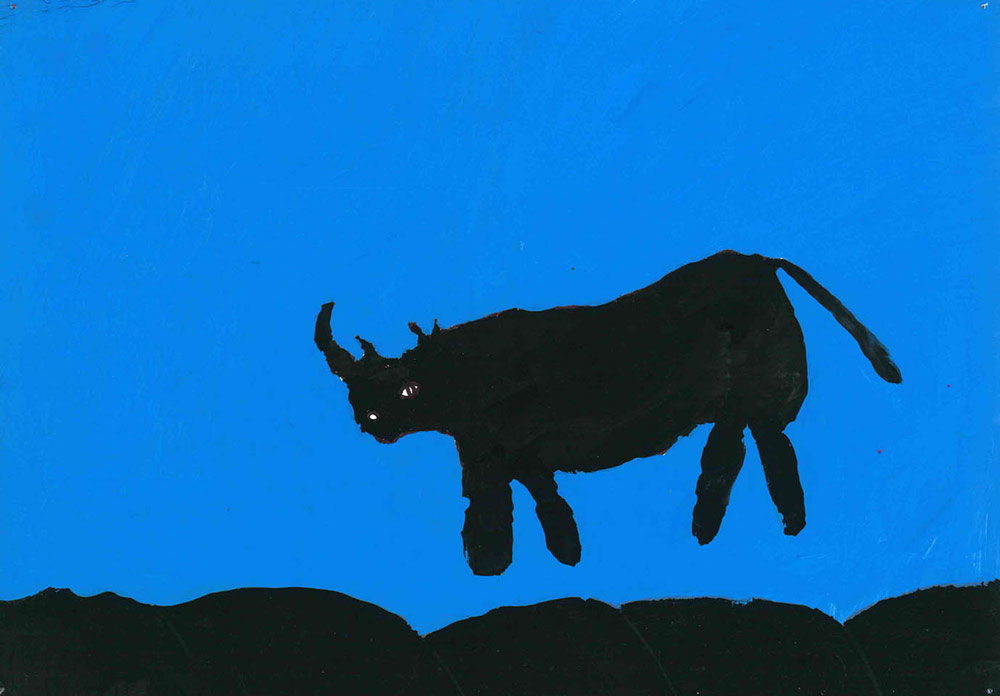
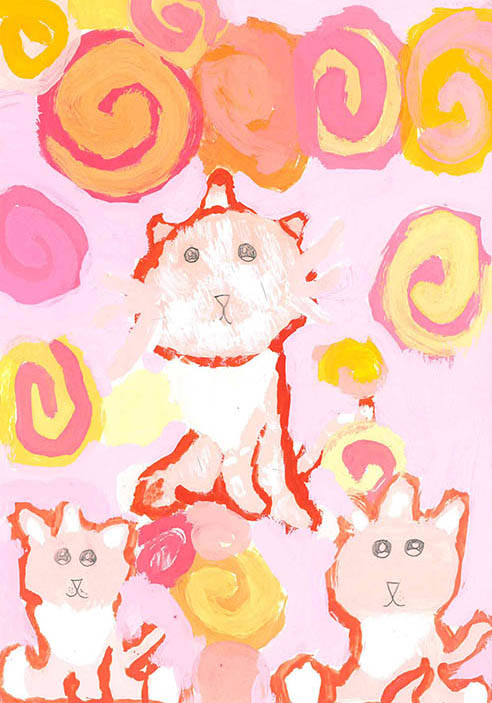
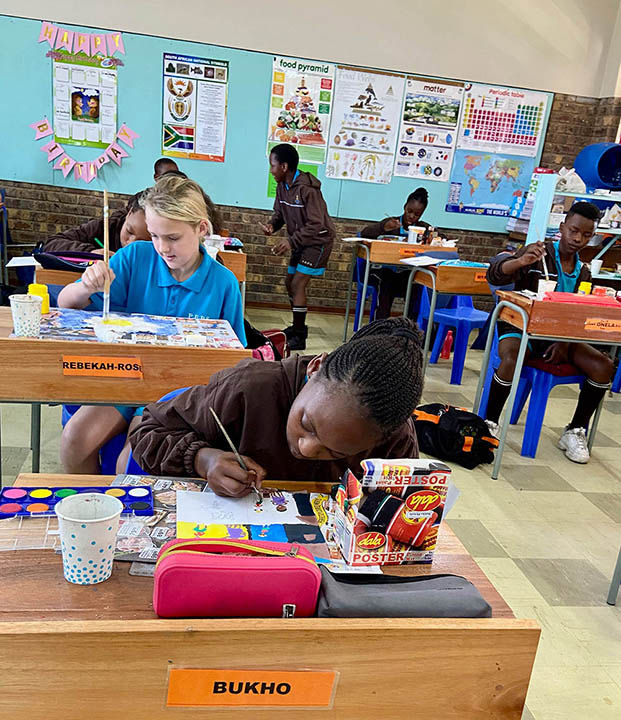
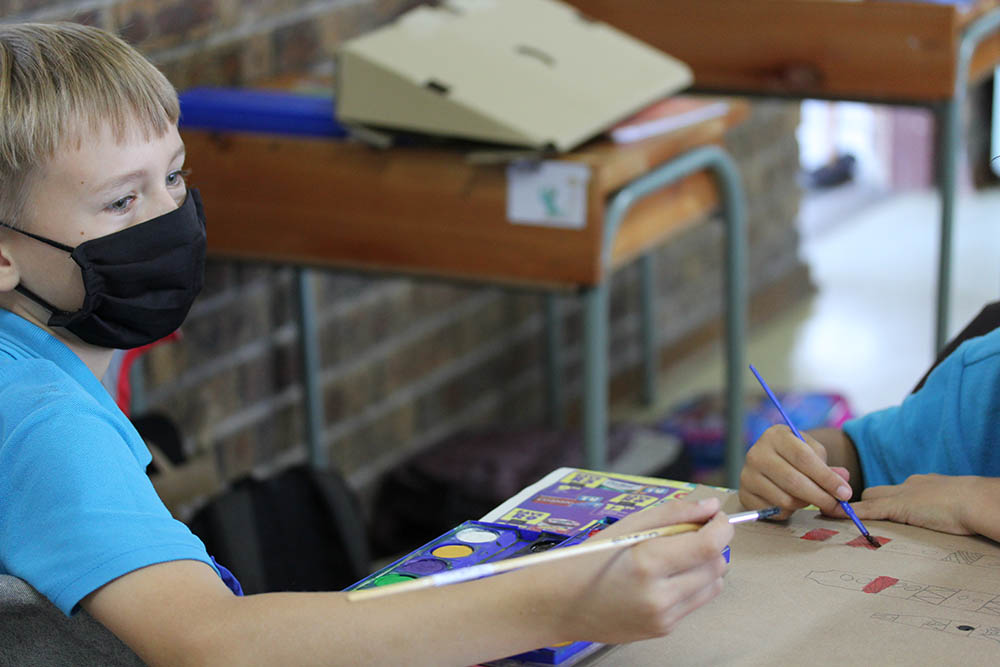
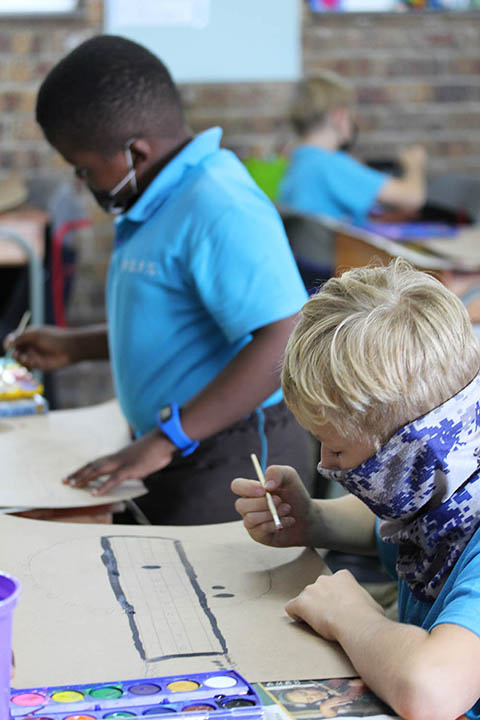
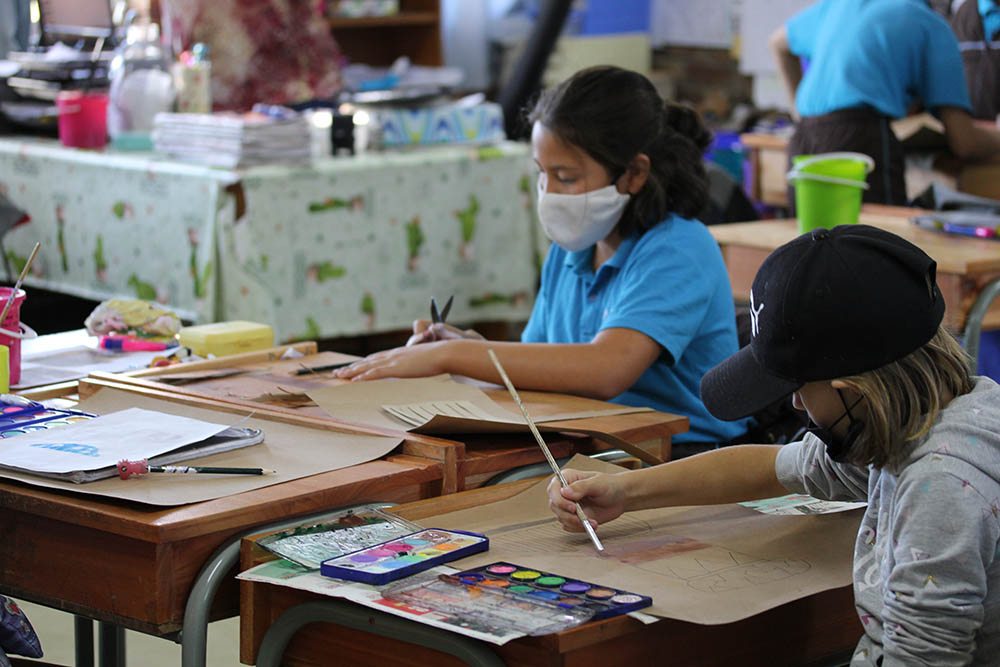
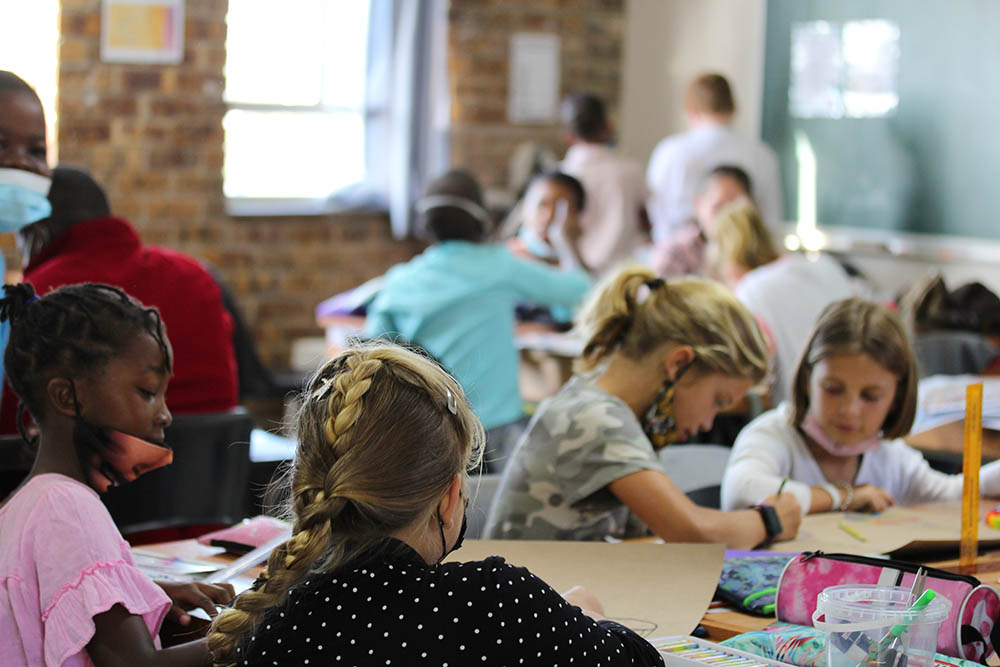
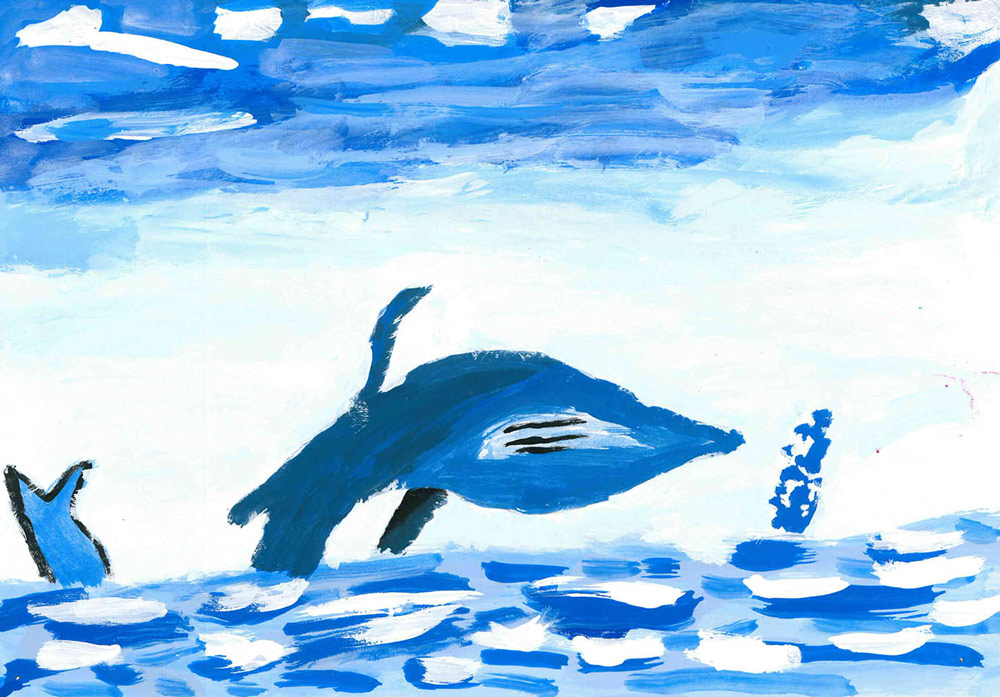
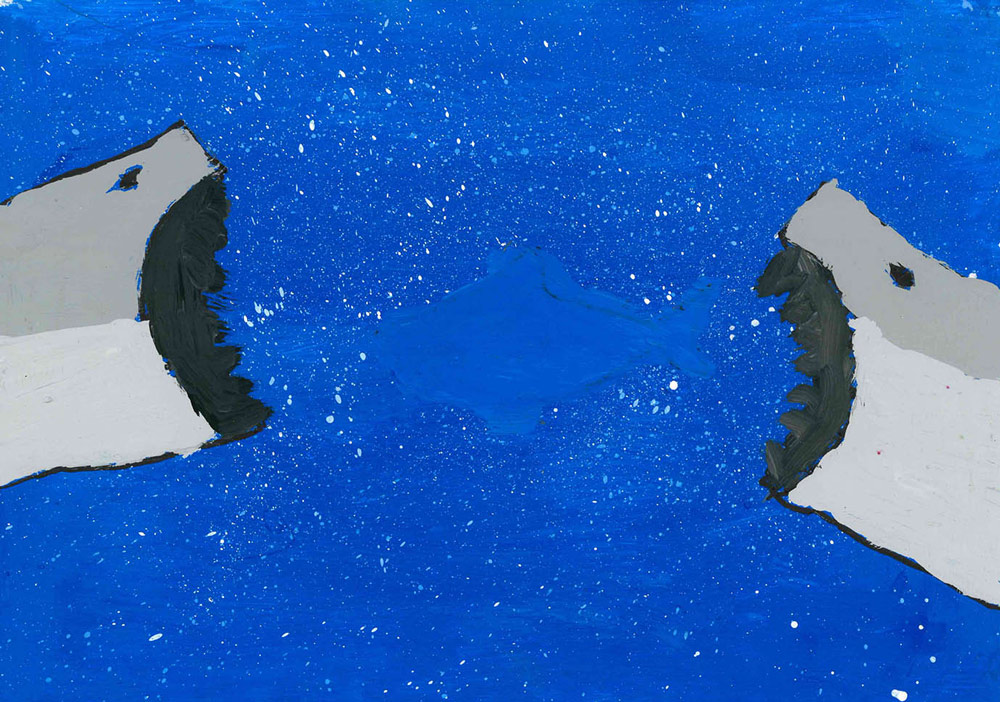
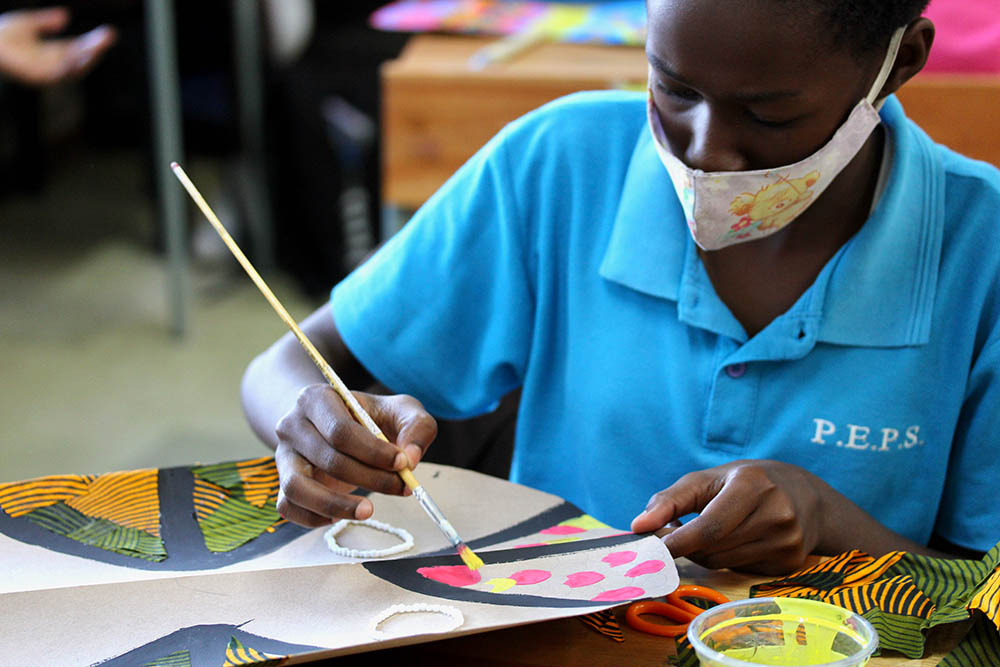
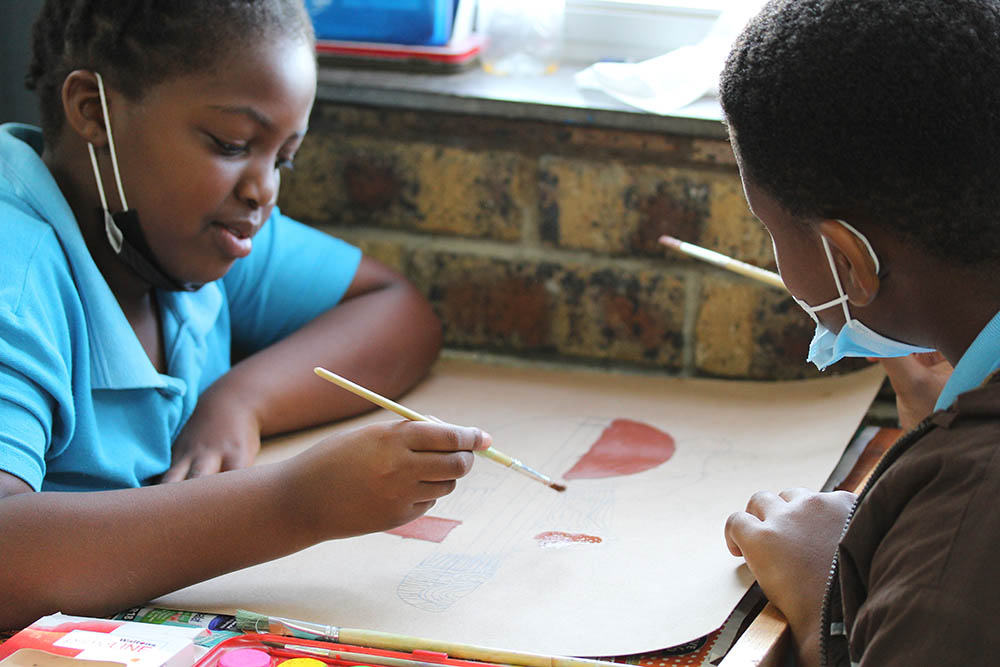
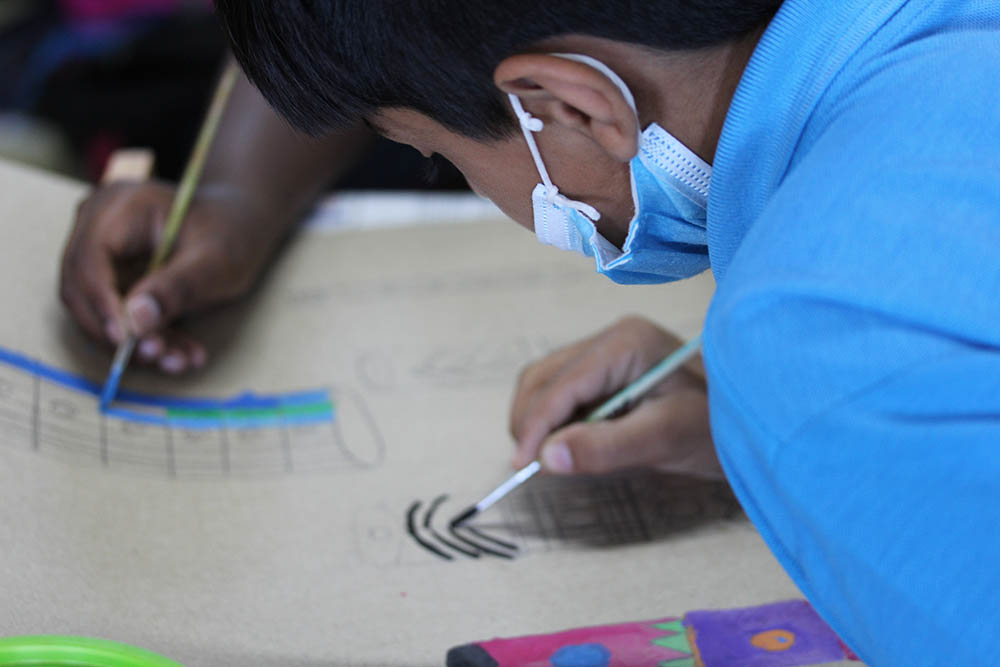
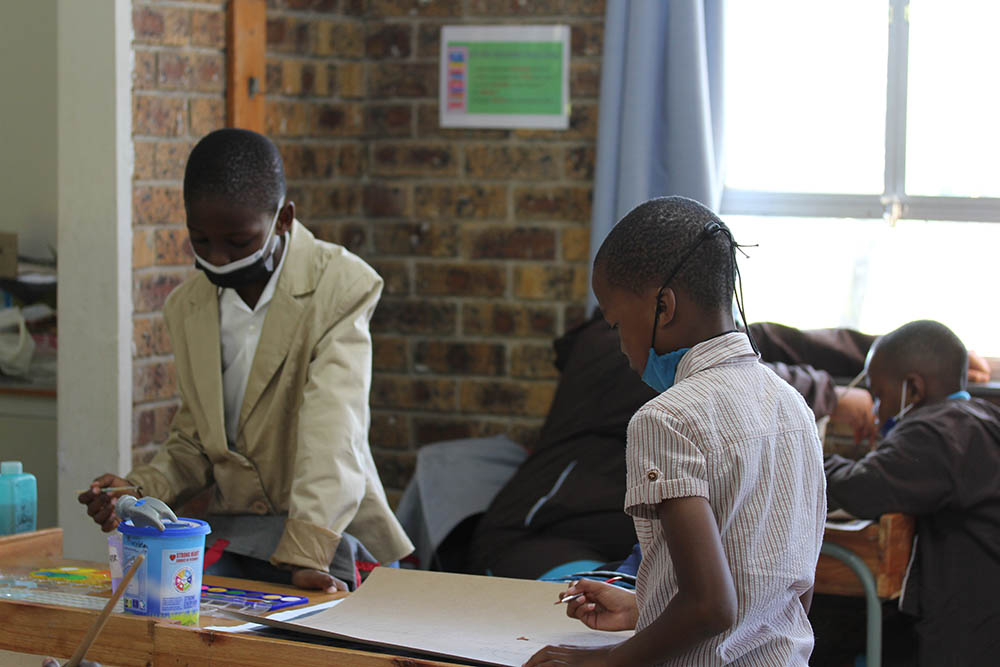
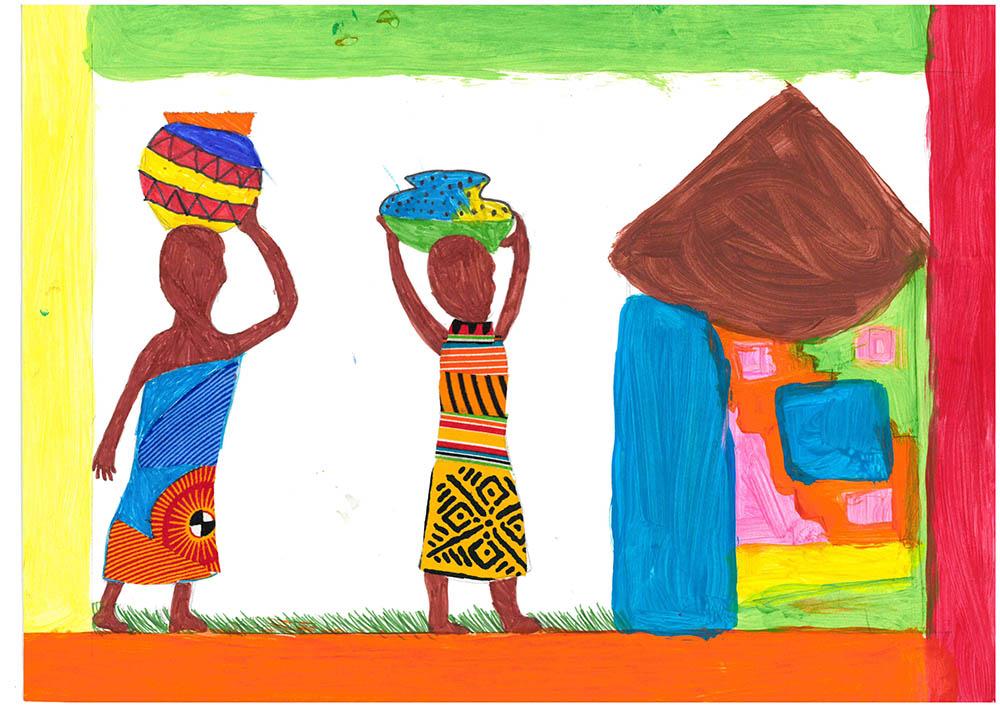
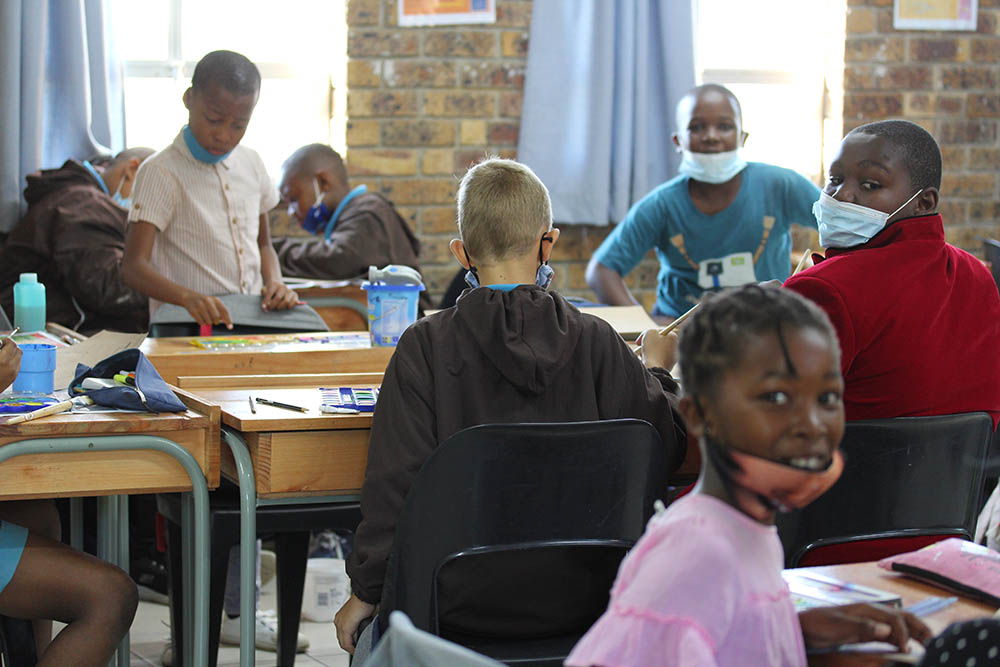
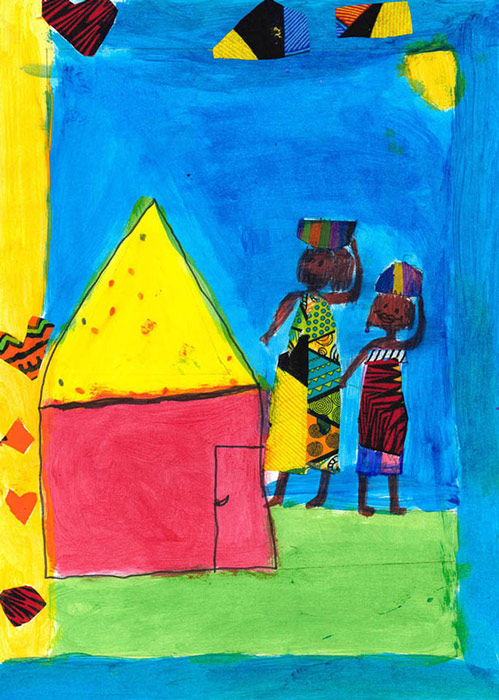
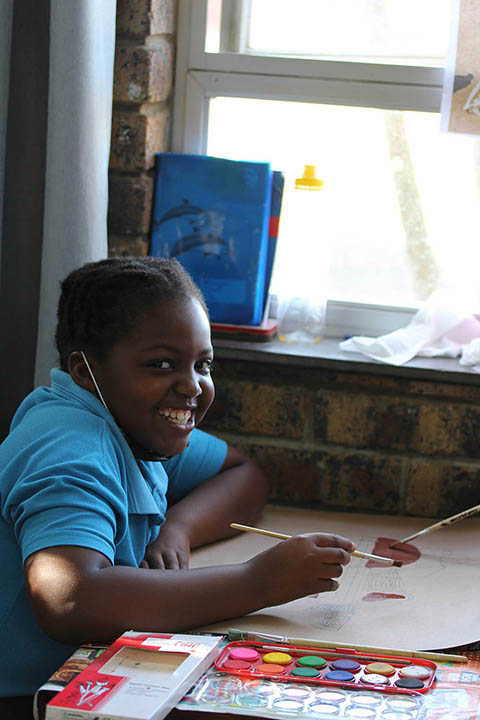
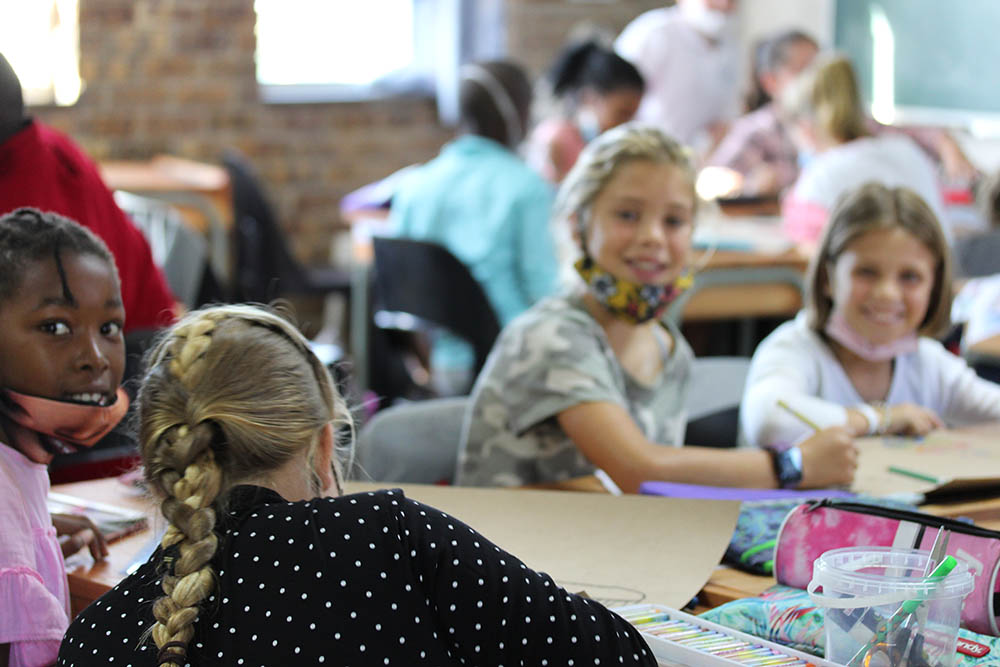
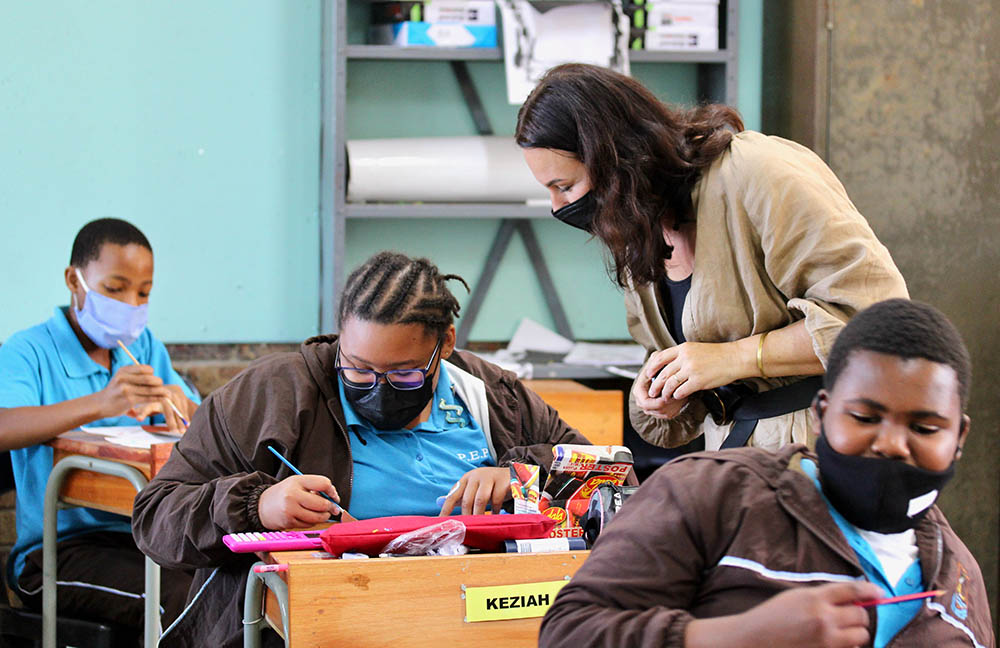
The paintings were created in class Class 5P / Ms. Pretorius and Class 5C / Ms. Cumming with Frances and Everett Duarte.
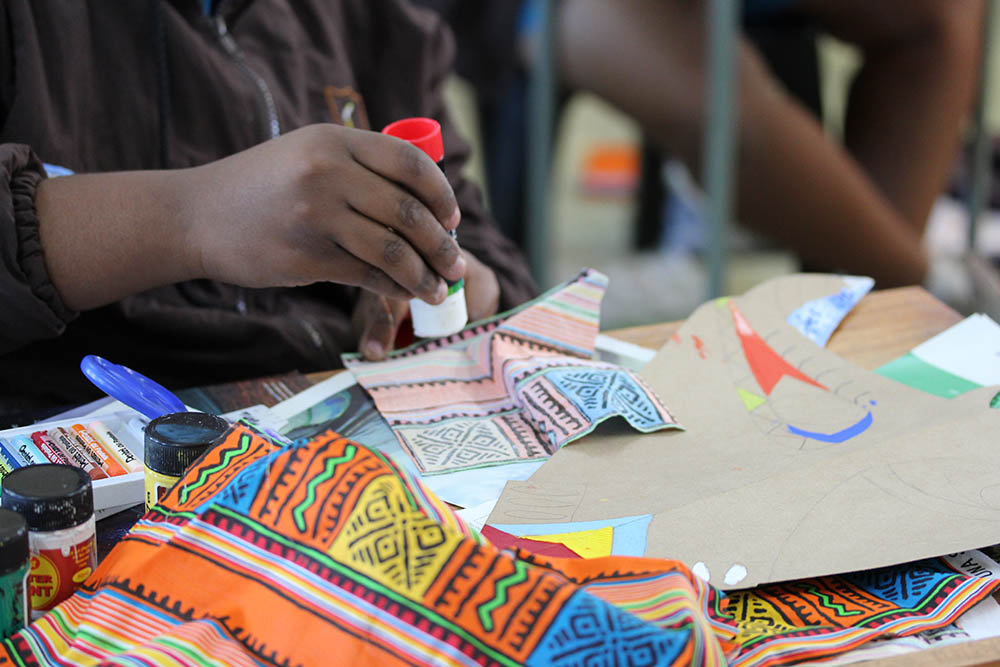
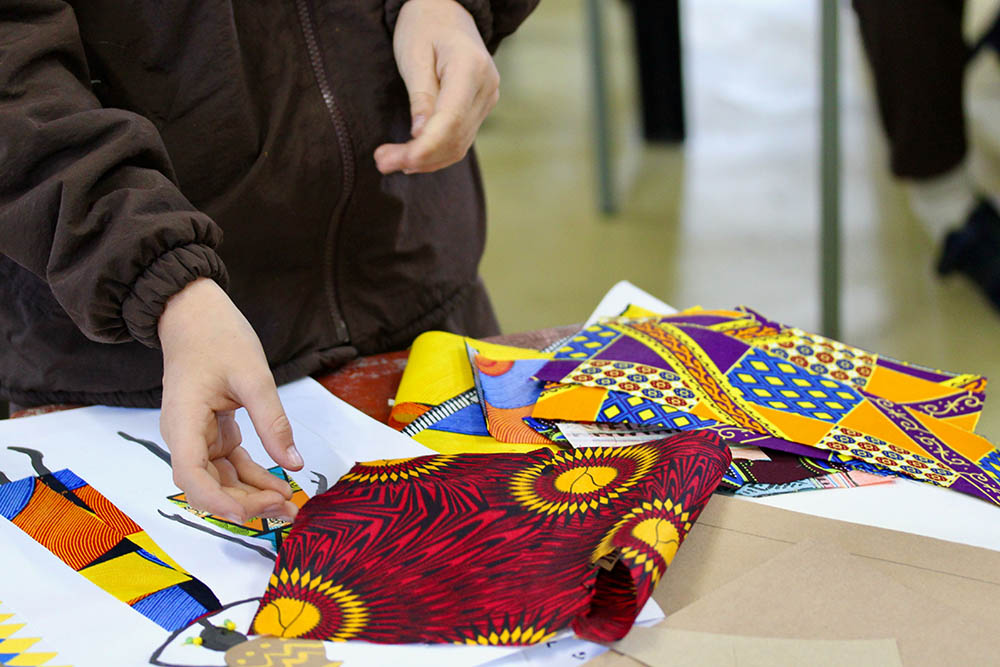
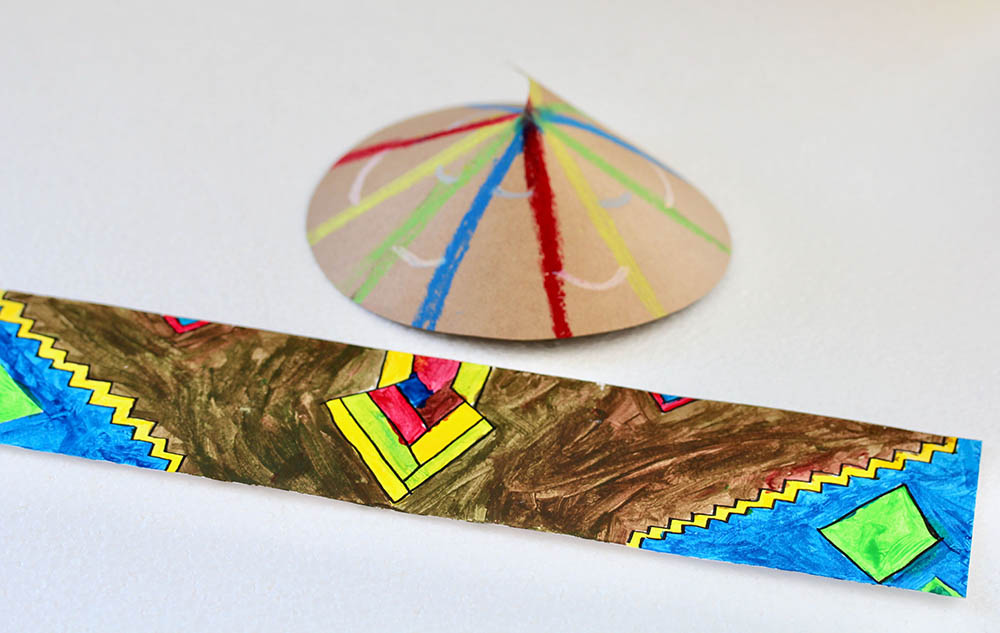
The cotton fabrics are made by machine using the batik technique. The front and back of the textiles shine equally in colorful diversity.
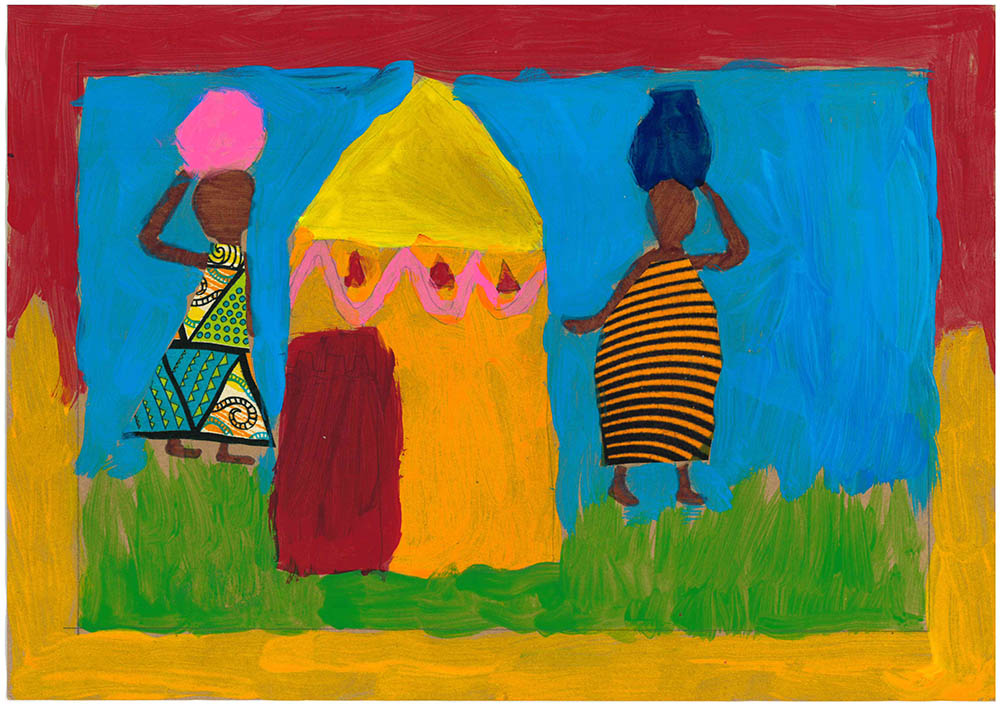
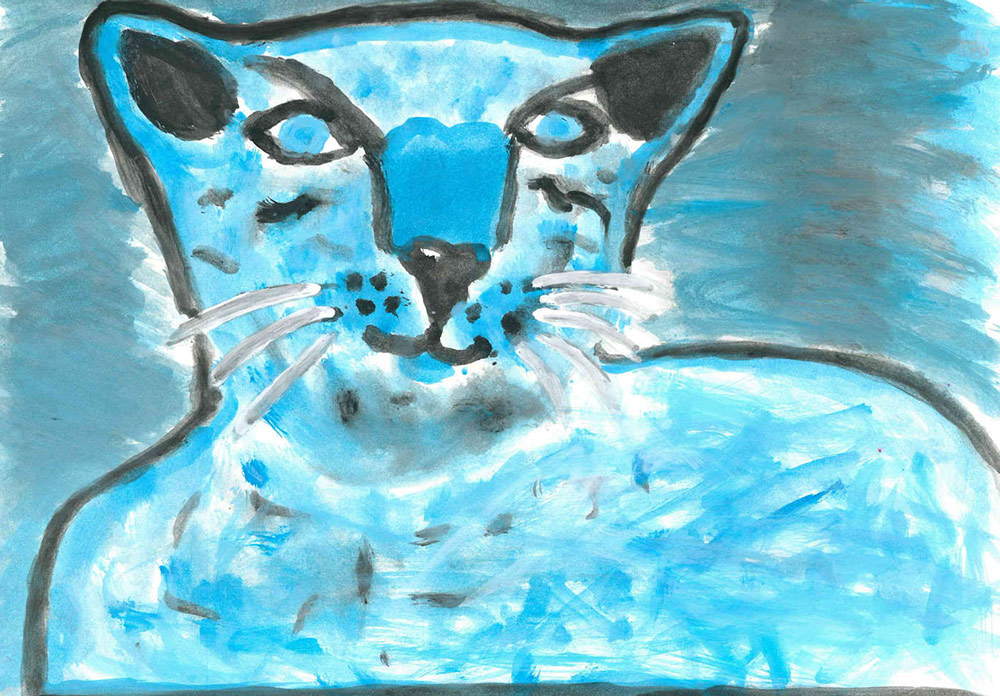
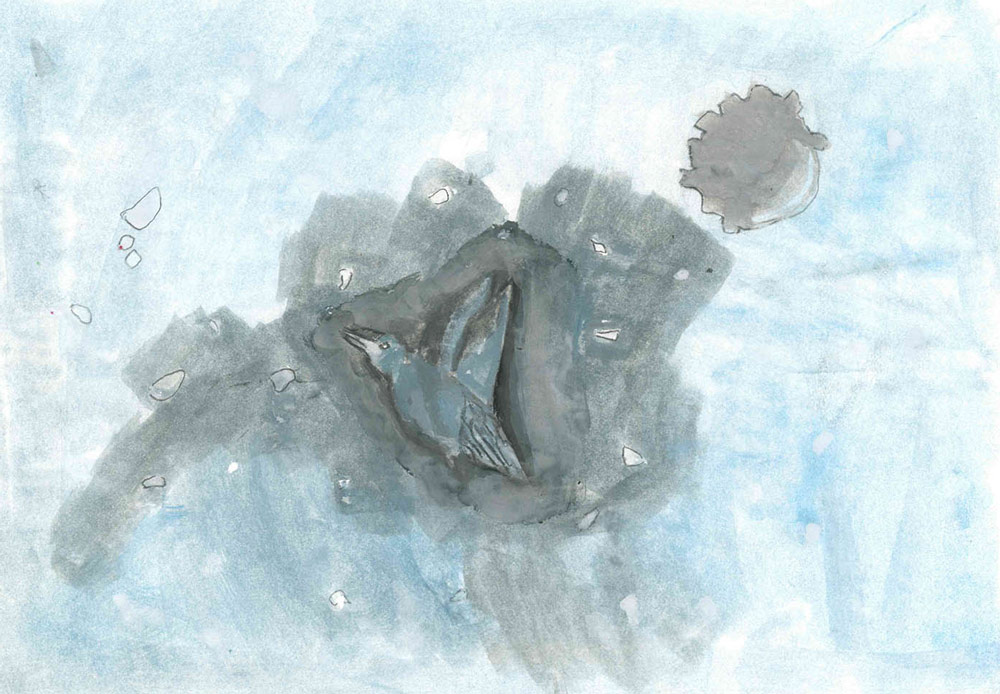
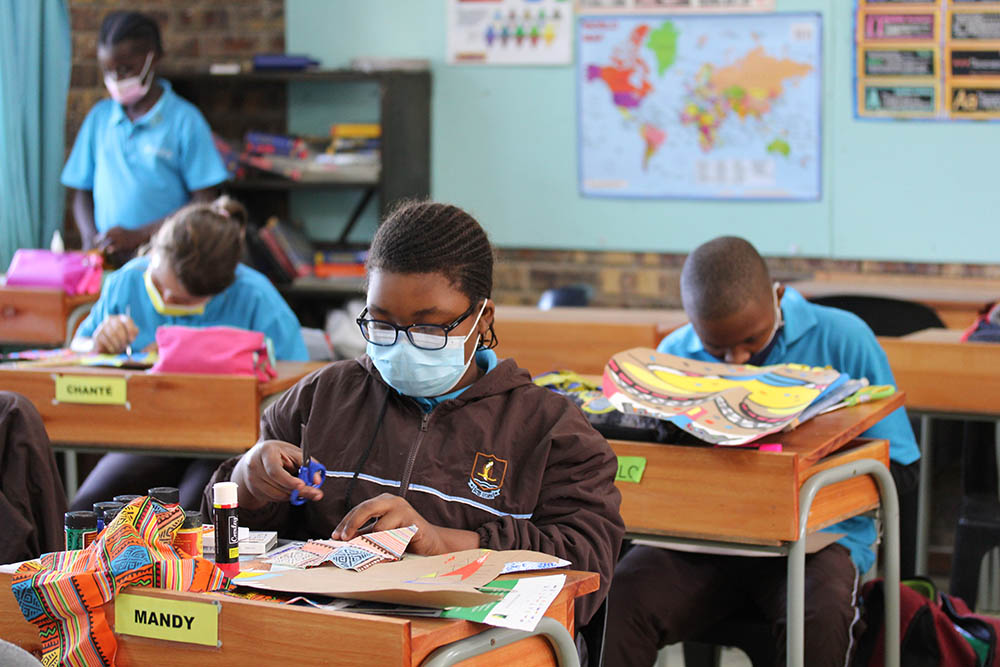
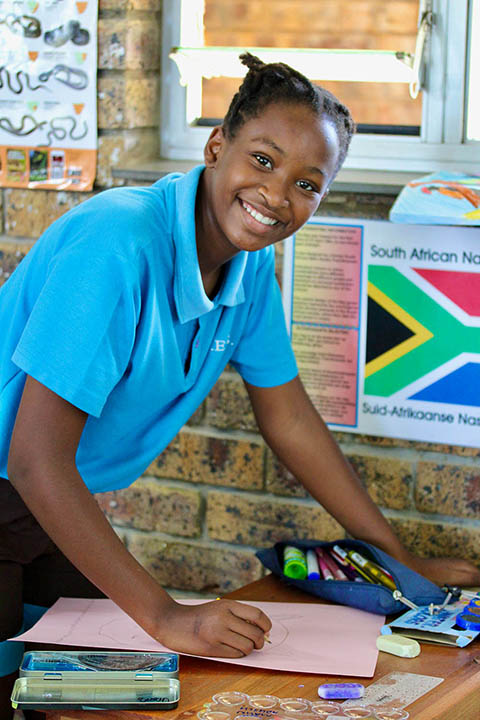
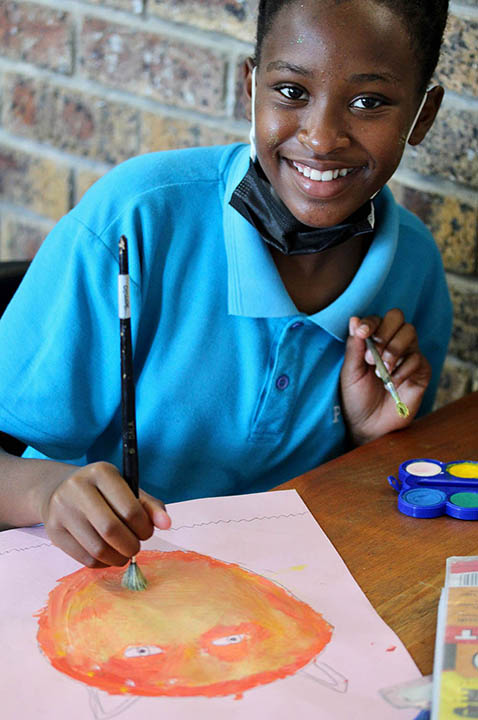
Die Malereien entstanden in der Klasse Klasse 5P / Frau Pretorius und Klasse 5C / Frau Cumming mit Frances und Everett Duarte.
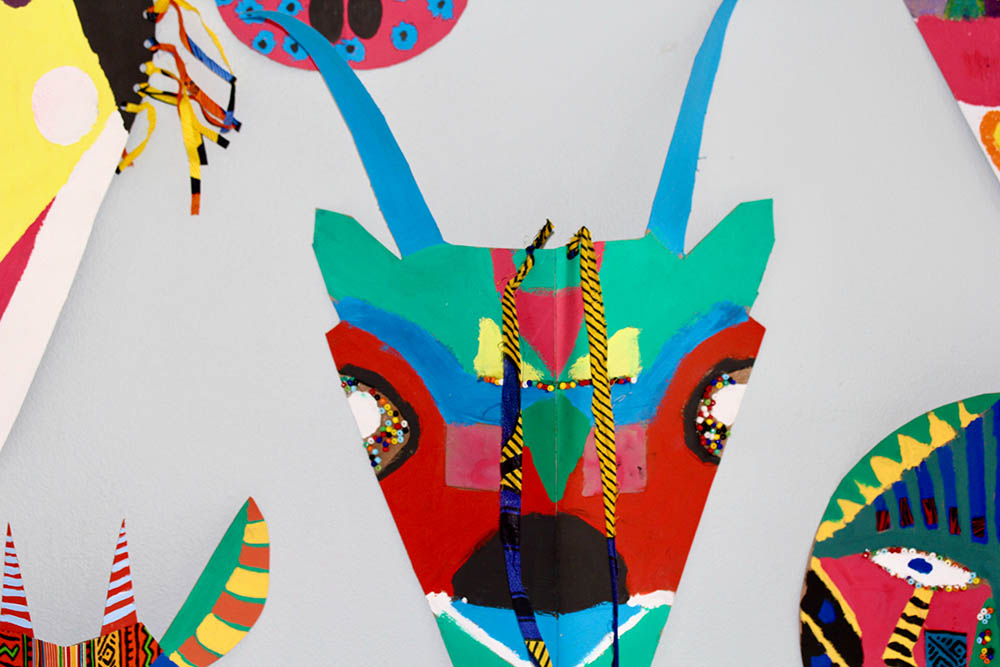
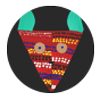
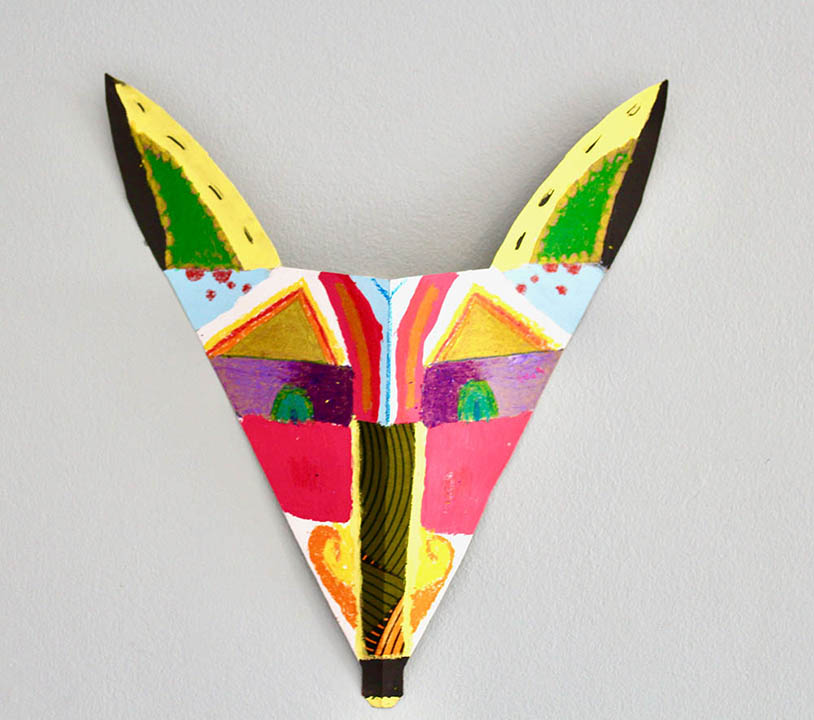
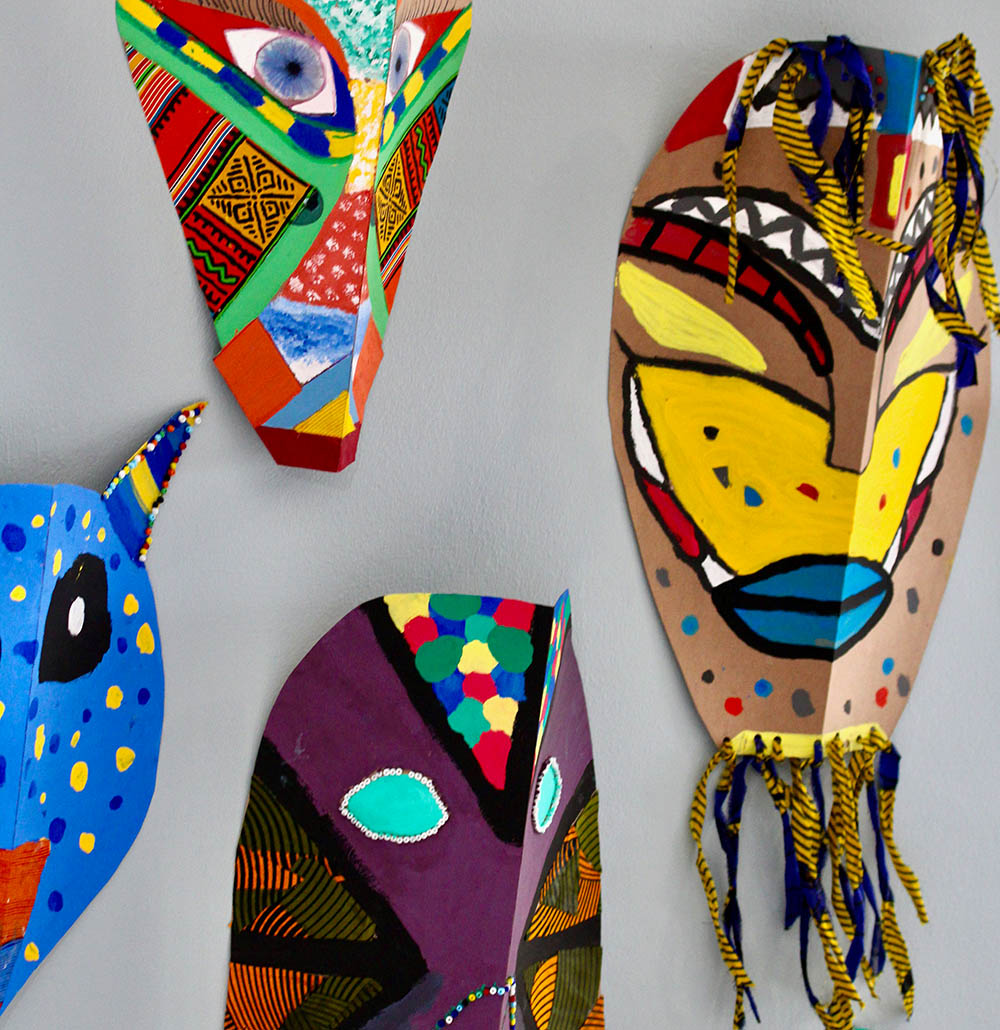
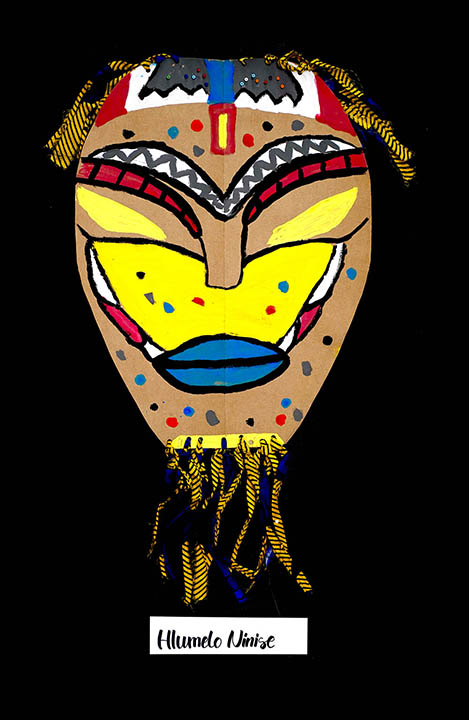
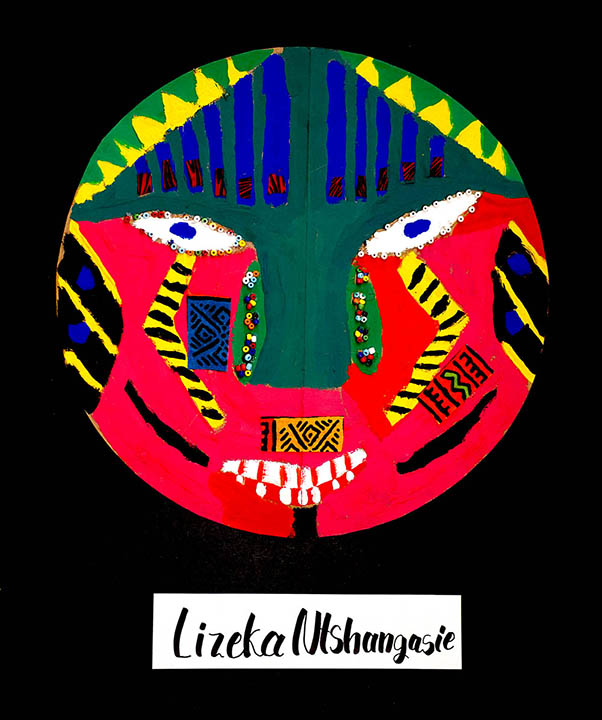
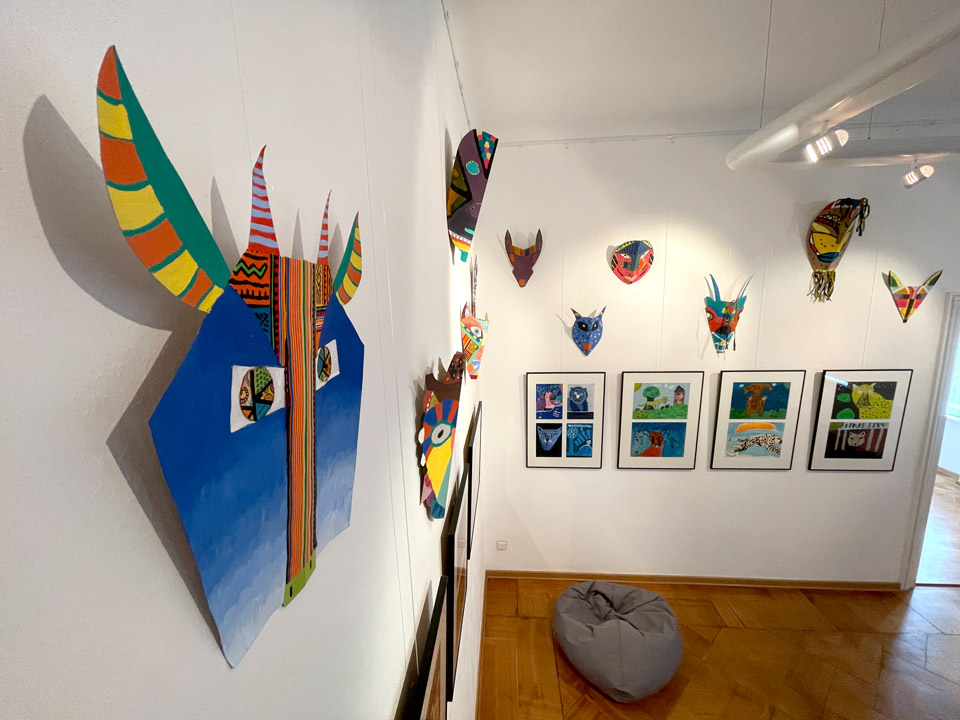
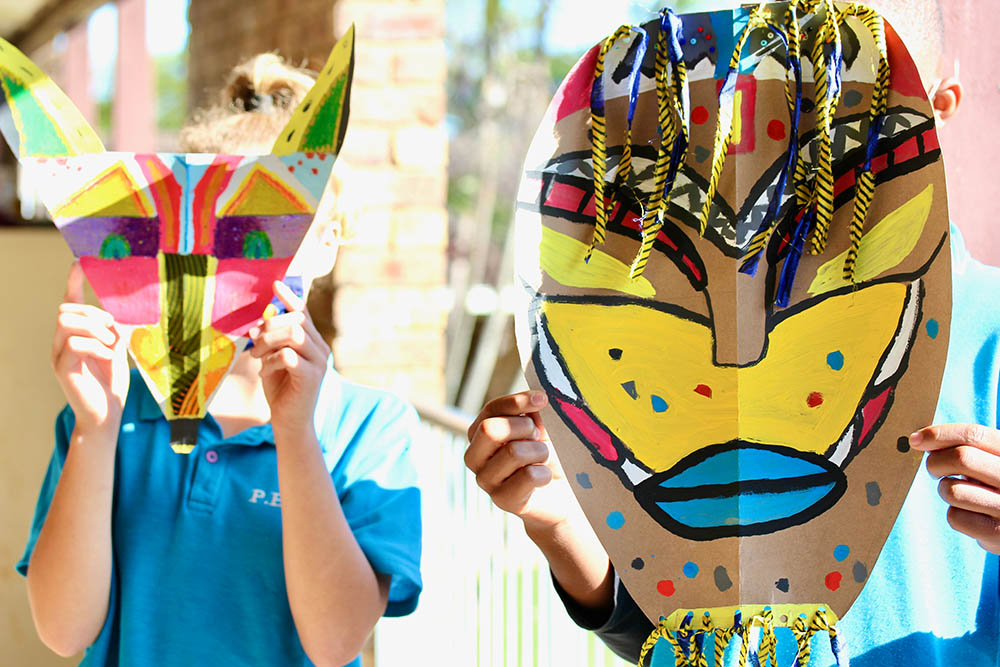
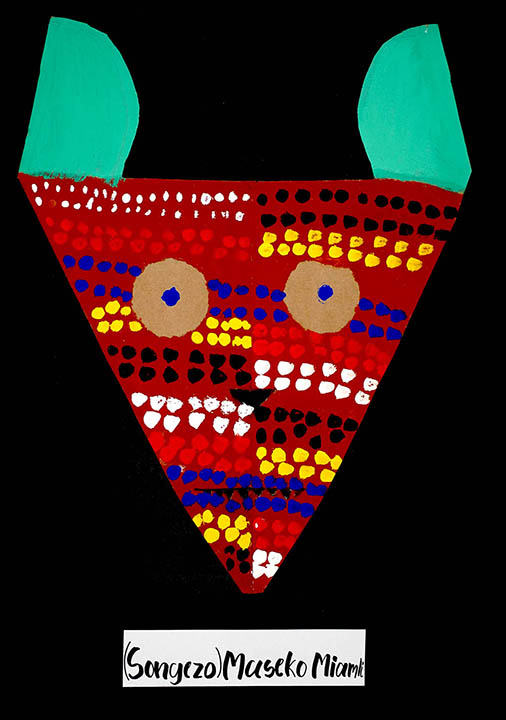
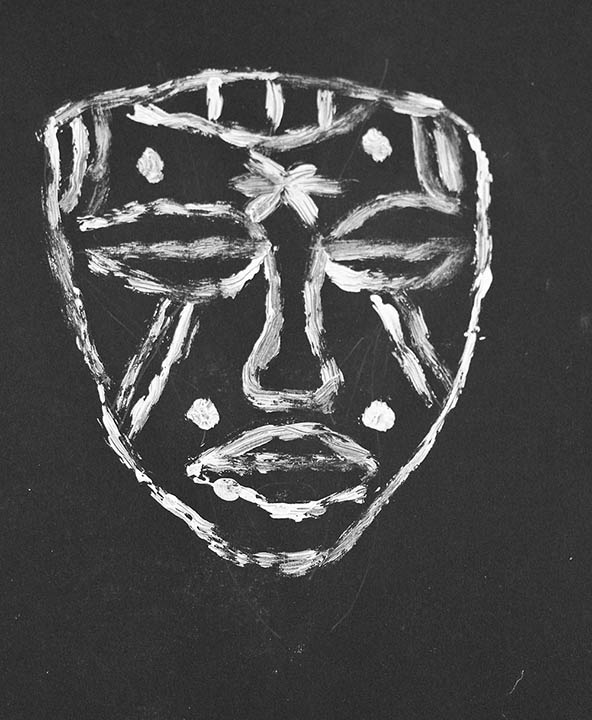
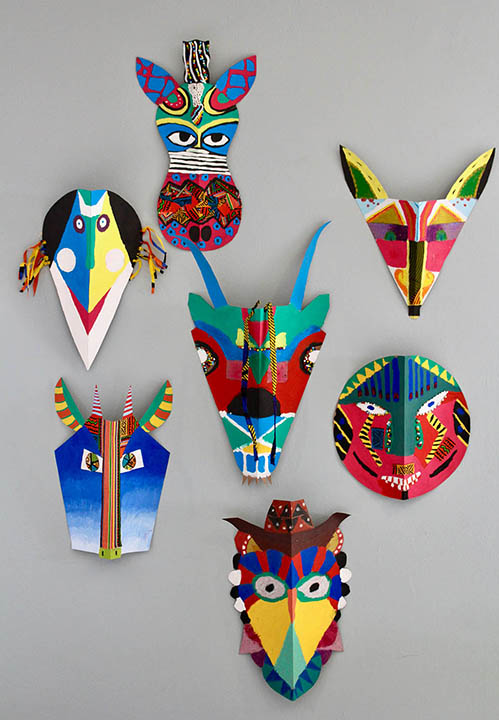
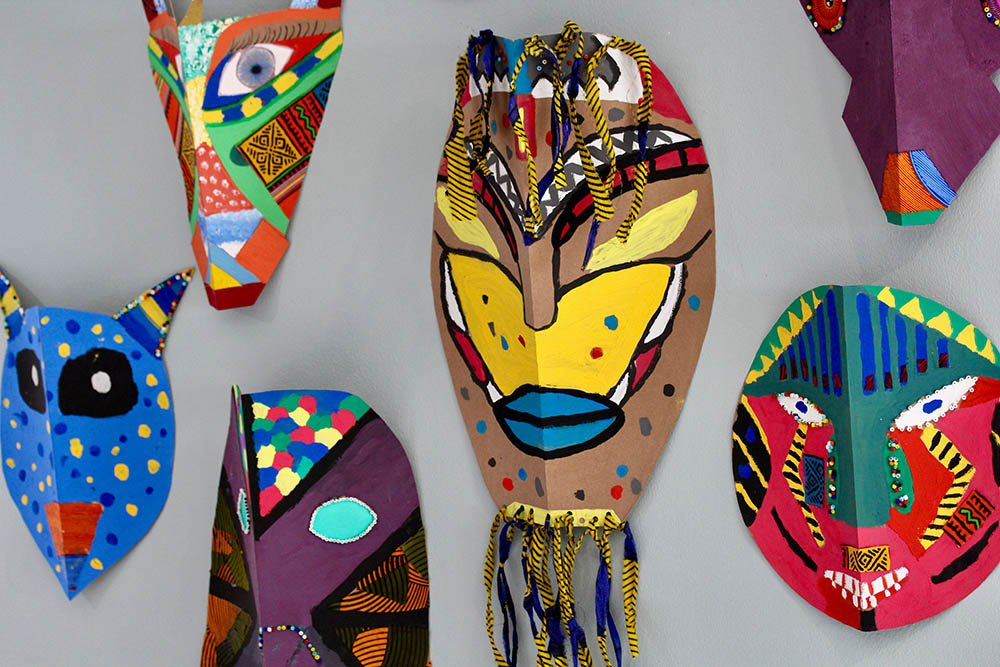
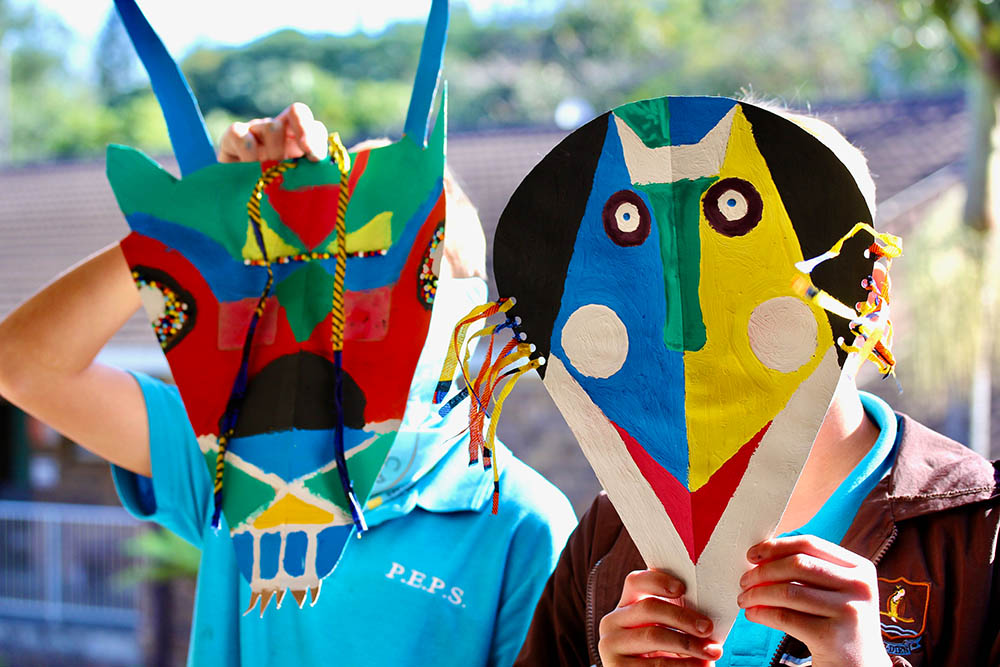
Außerhalb ihrer Dörfer tragen besonders Angehörige der Dan-Stämme kleine Masken. Sie sind meist Tieren nachempfunden.
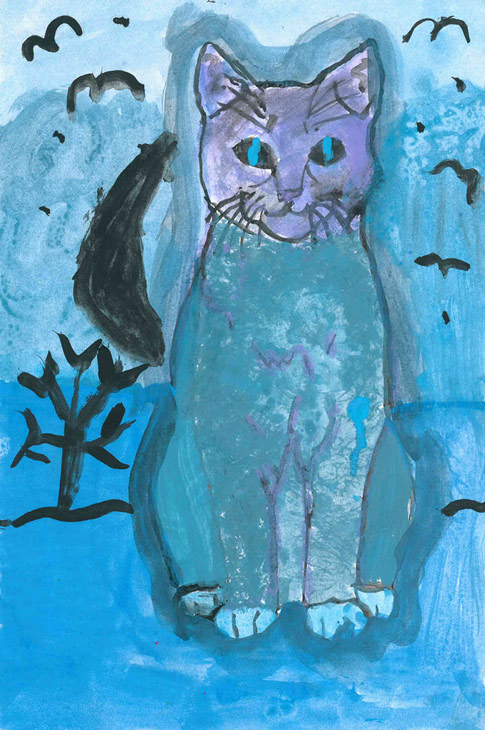
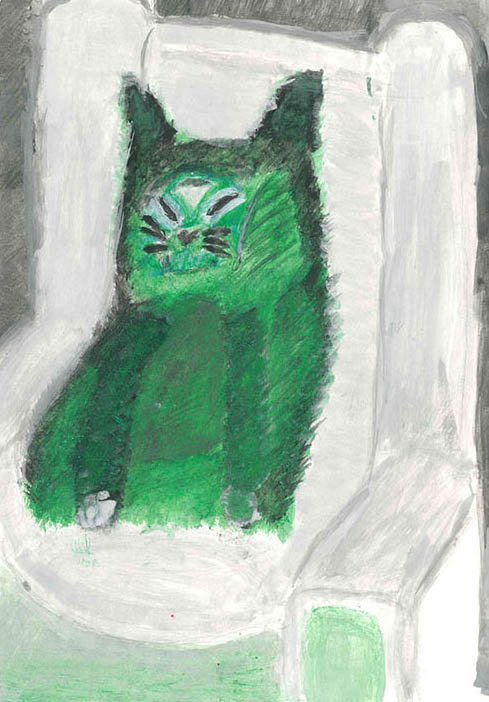
Warum der Hippo keine Haare hat, Löwe und Hyäne verfeindet sind oder sich im Gesicht des Geparden Tränenspuren zeigen, davon erzählen die Fabeln aus Afrika.

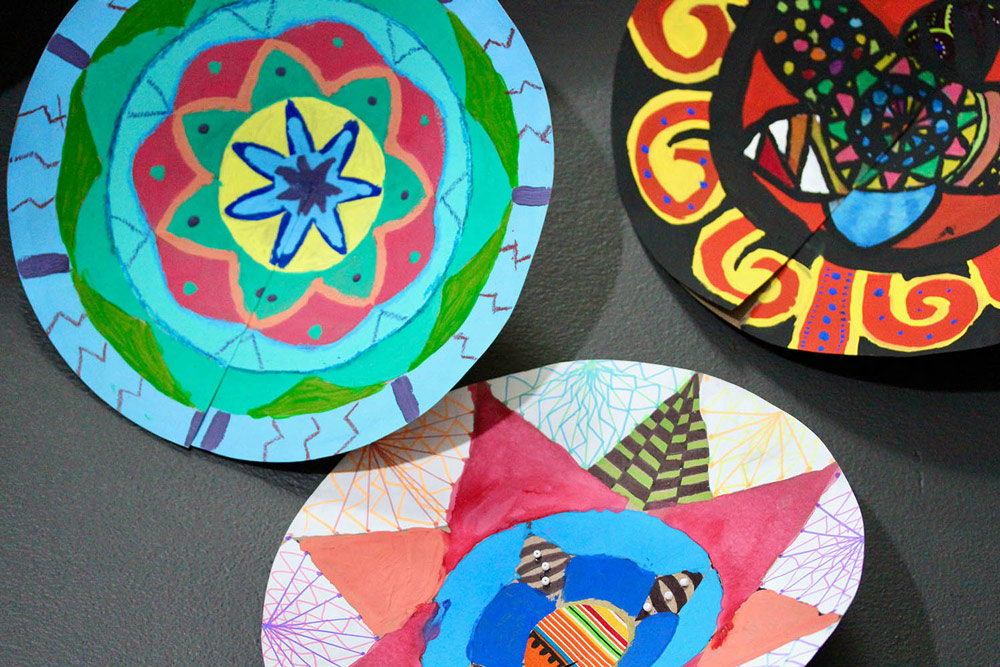
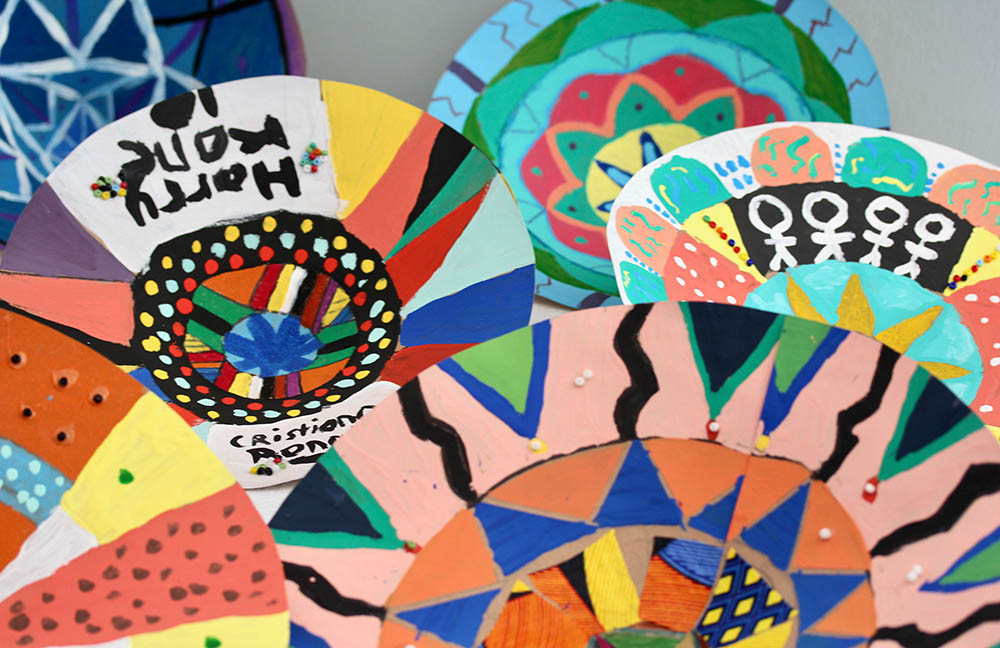
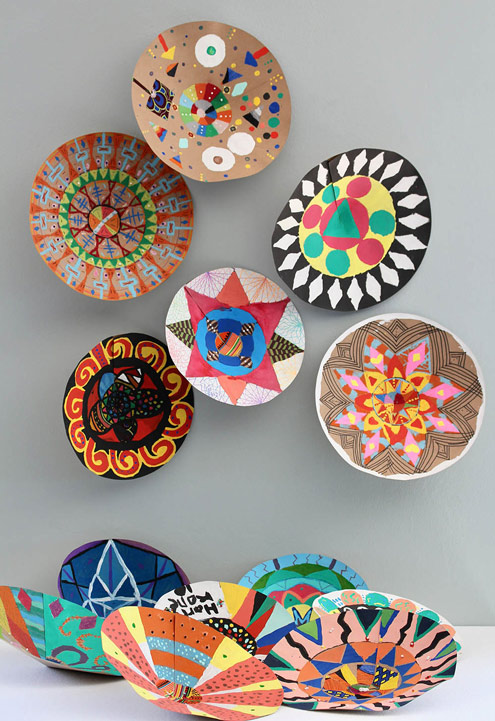
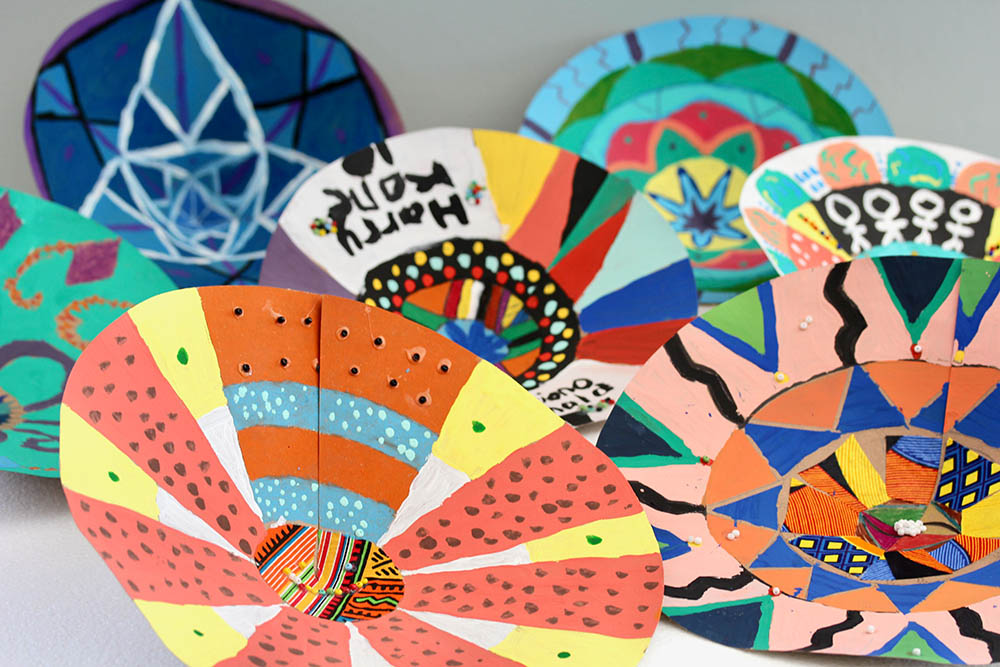
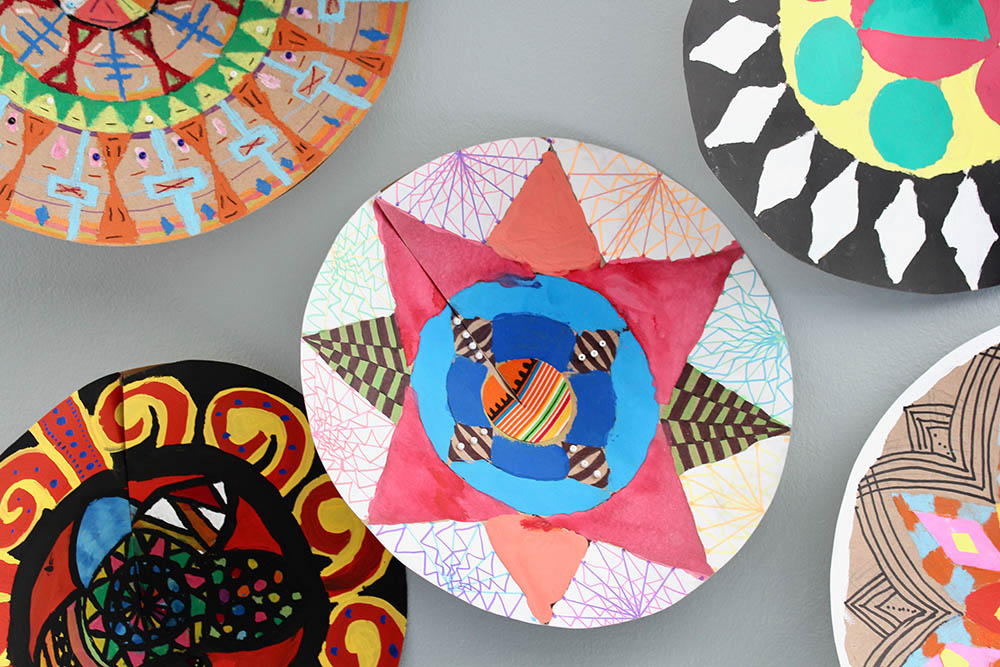
The waterproof baskets/bowls are used for storing fruits and other foods, or as beautiful works of art to hang on the wall as wall decorations.
In KwaZulu-Natal, women weave baskets from natural, dyed materials, such as palm fronds, bark, and roots.
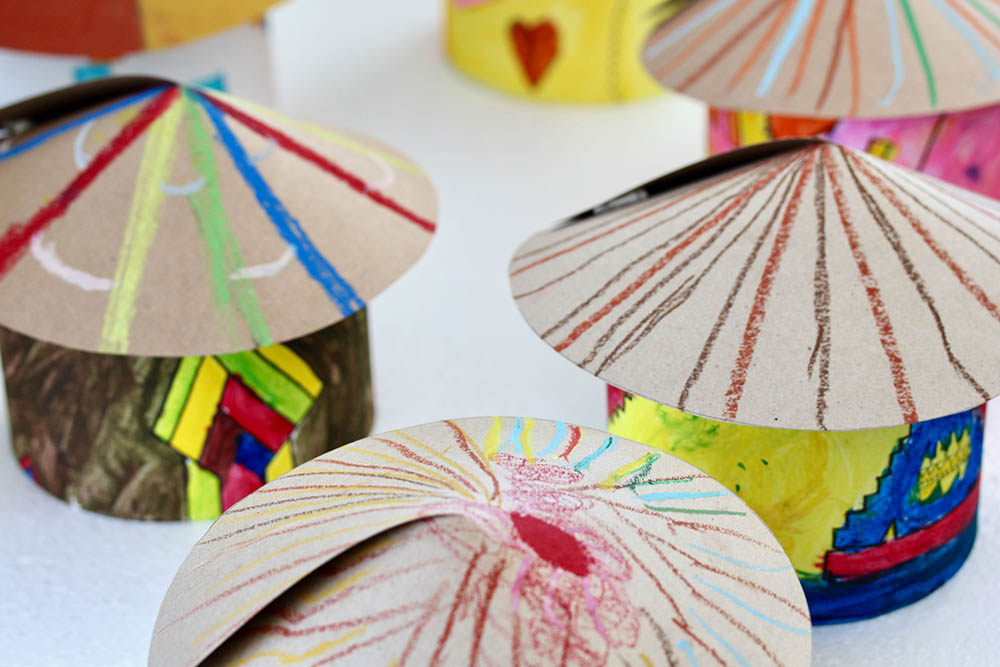
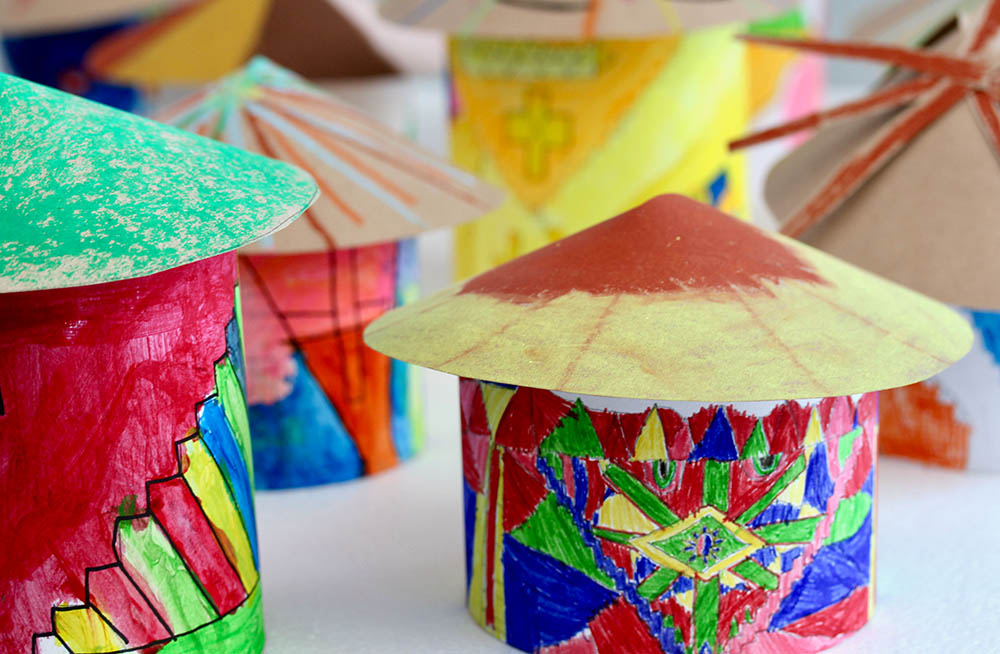
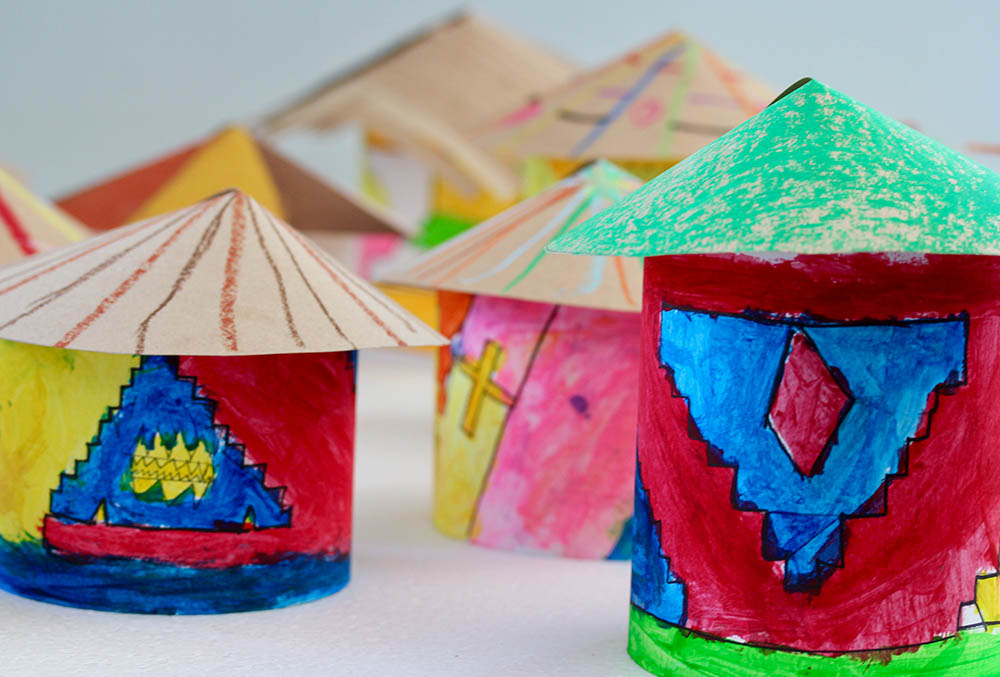
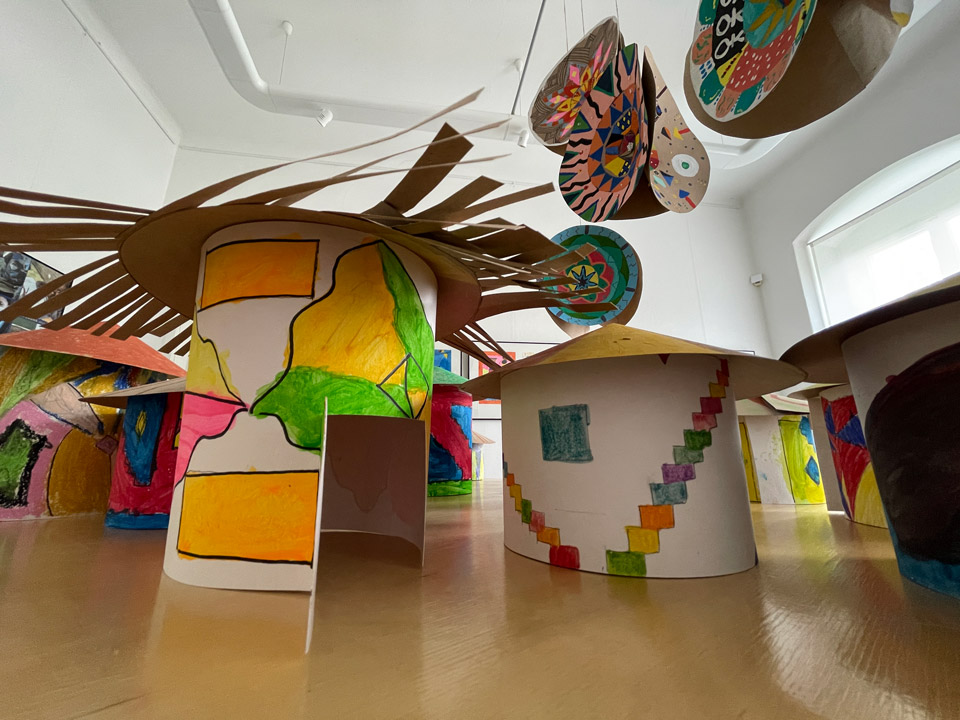
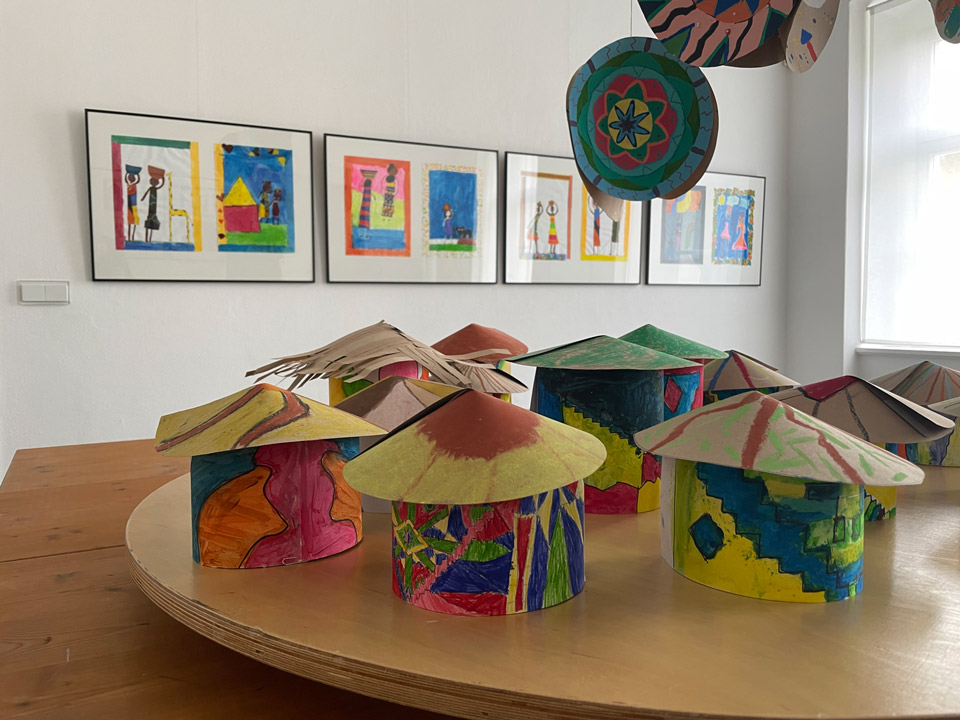
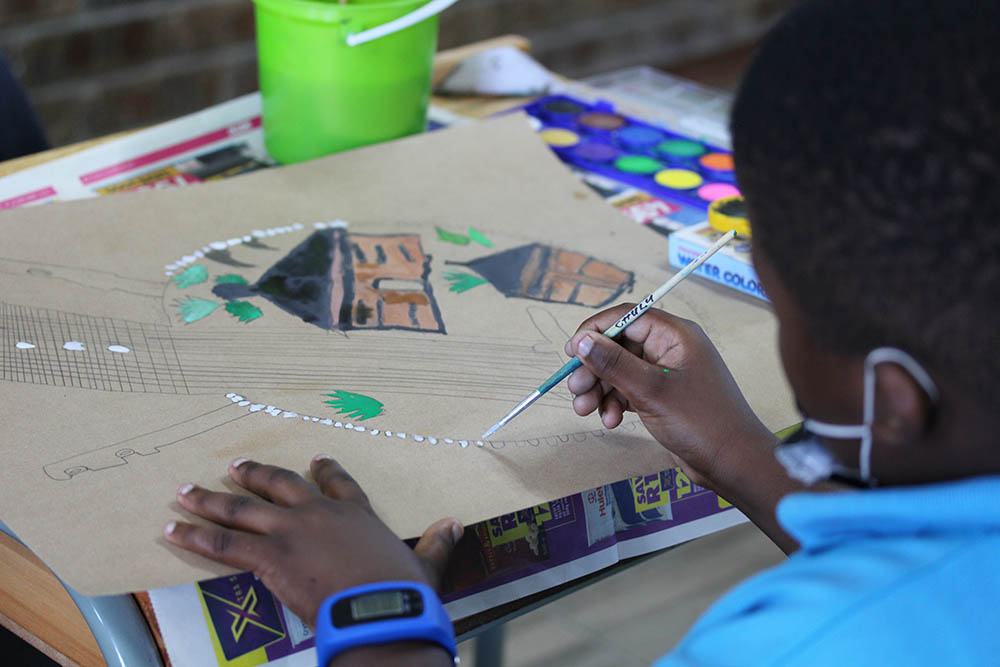
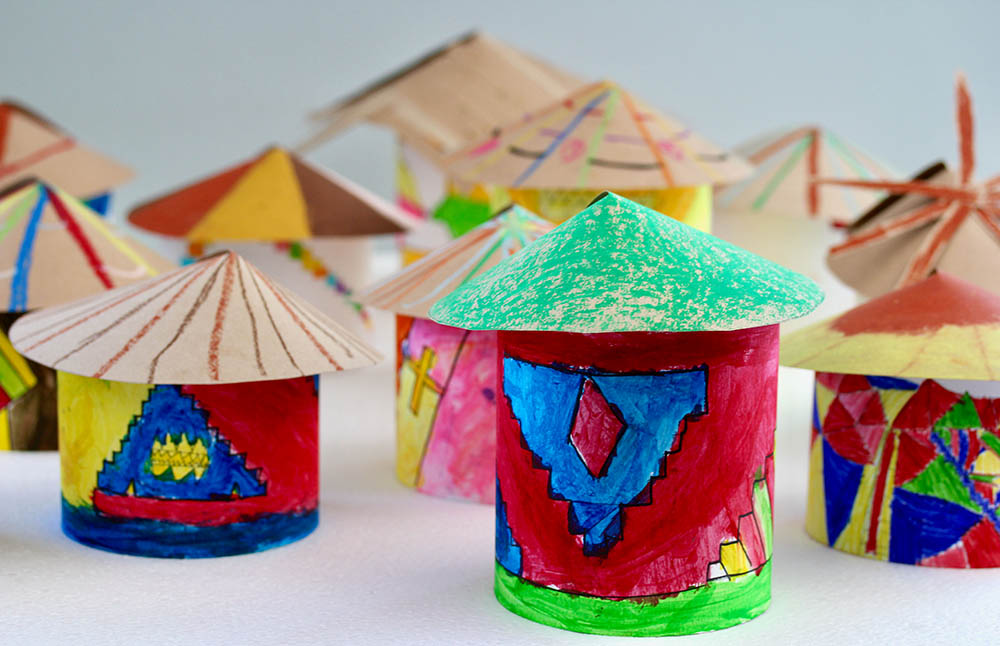
Afrikanische Stämme, vor allem die Ndebele und Zulu, bemalen ihre Häuser farbenfroh mit geometrischen Mustern, die symbolisch für Wünsche oder alltägliche Geräte stehen.
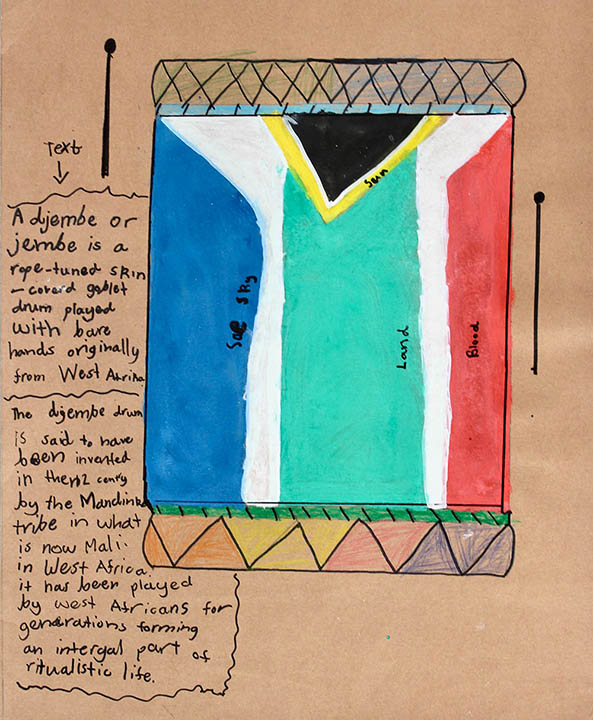
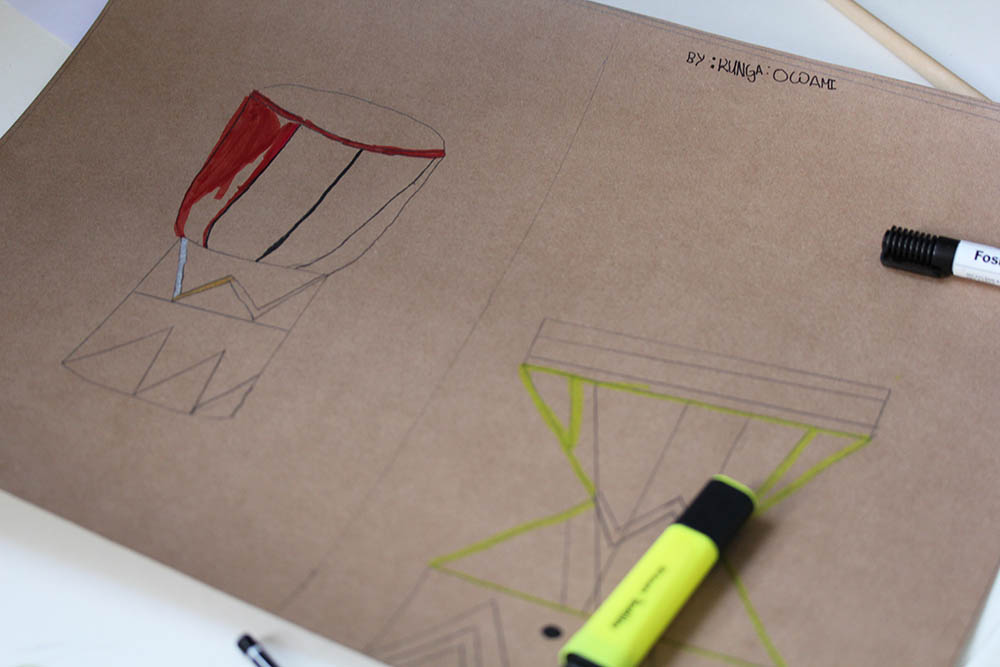
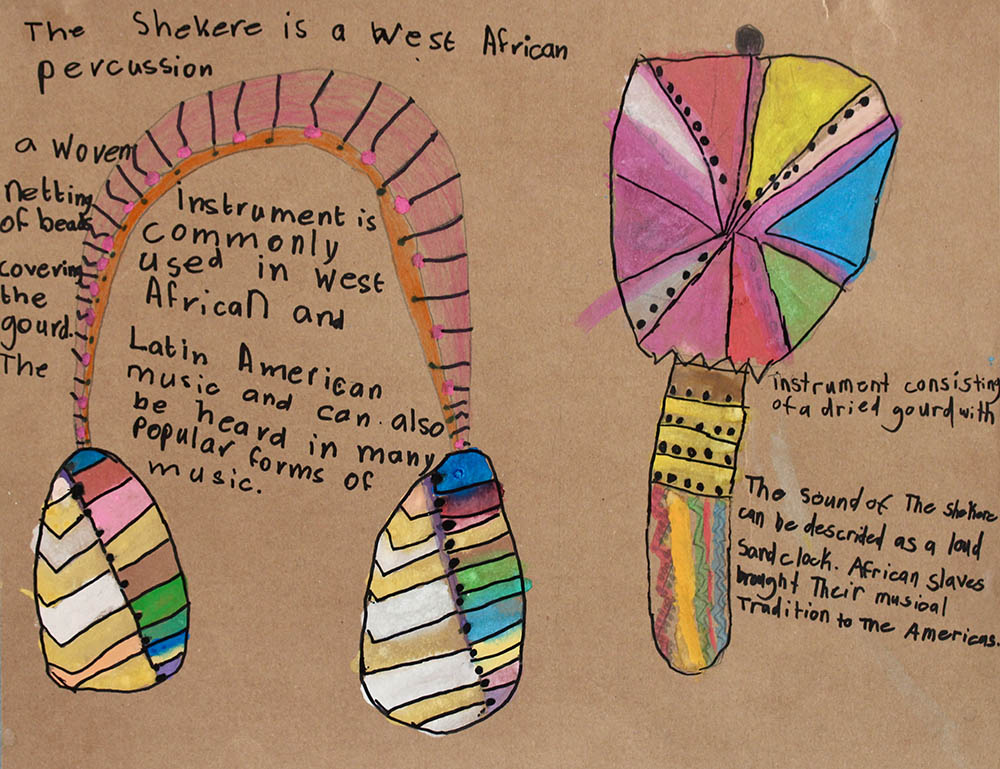
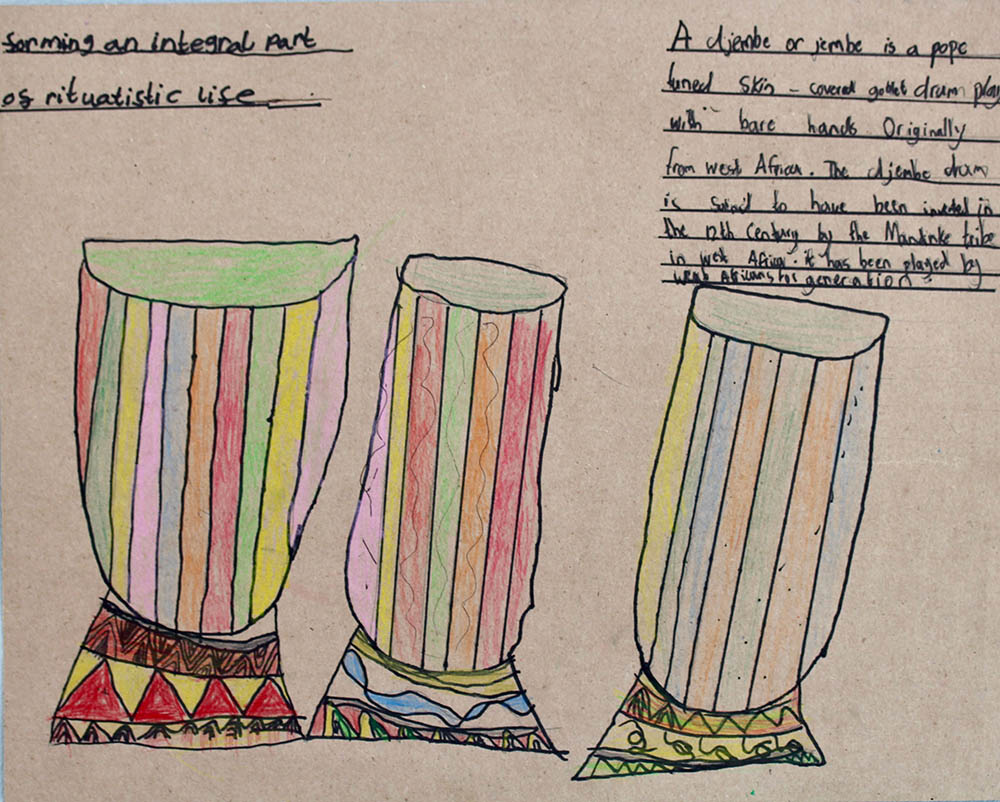
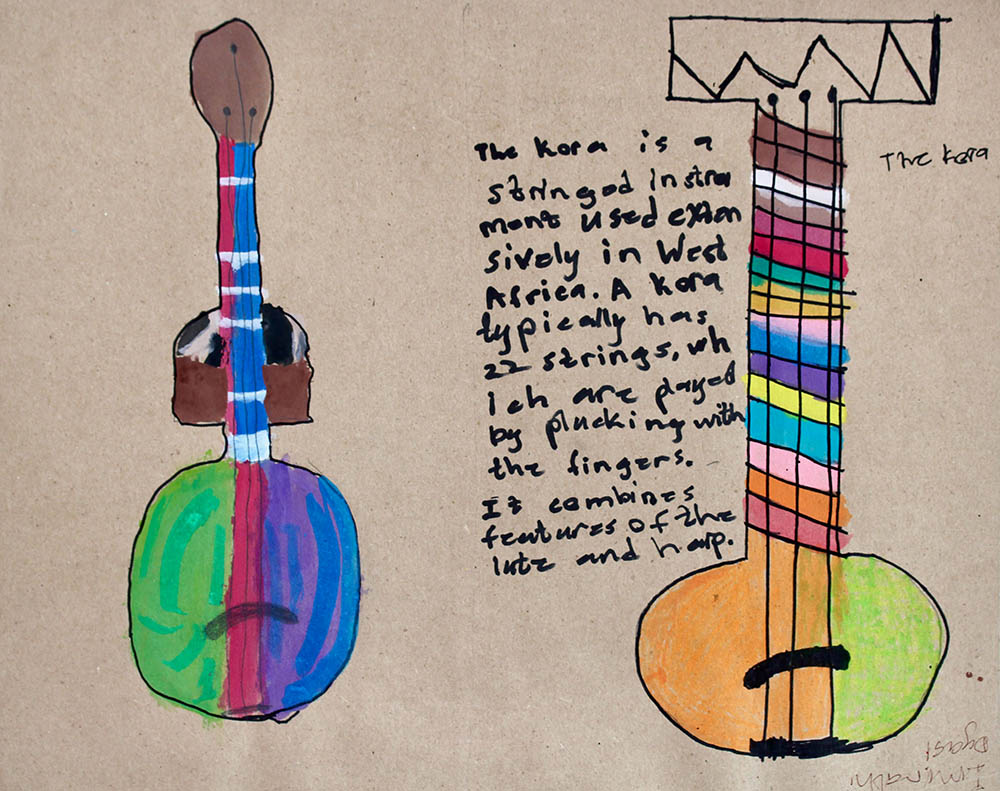
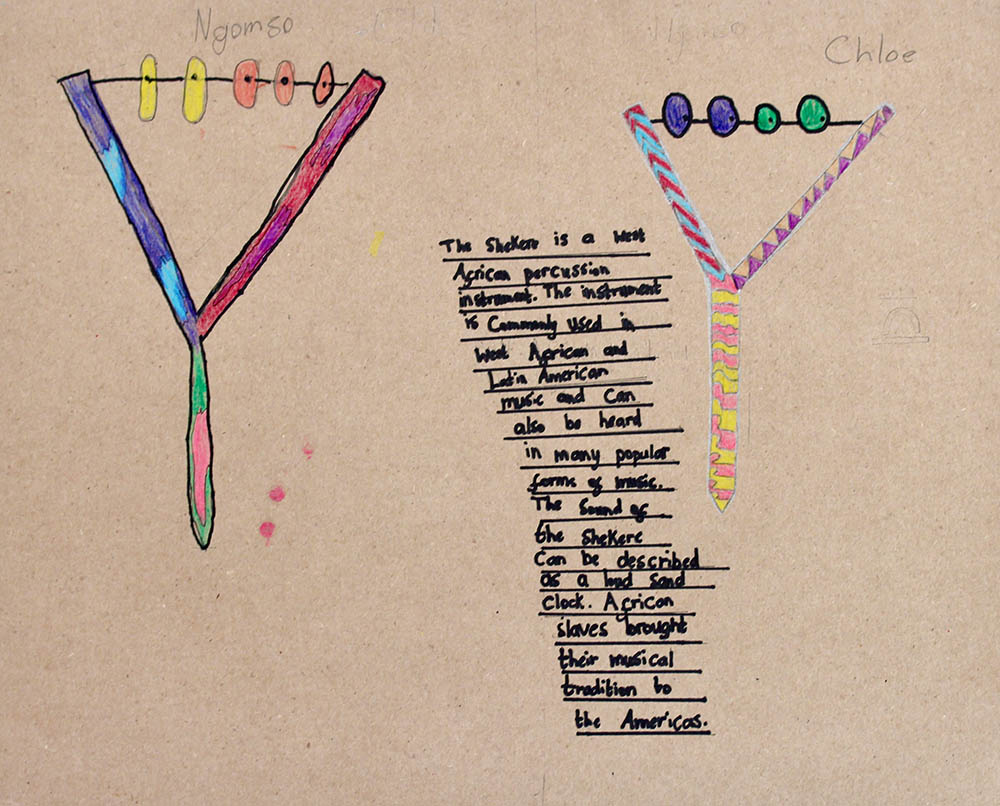
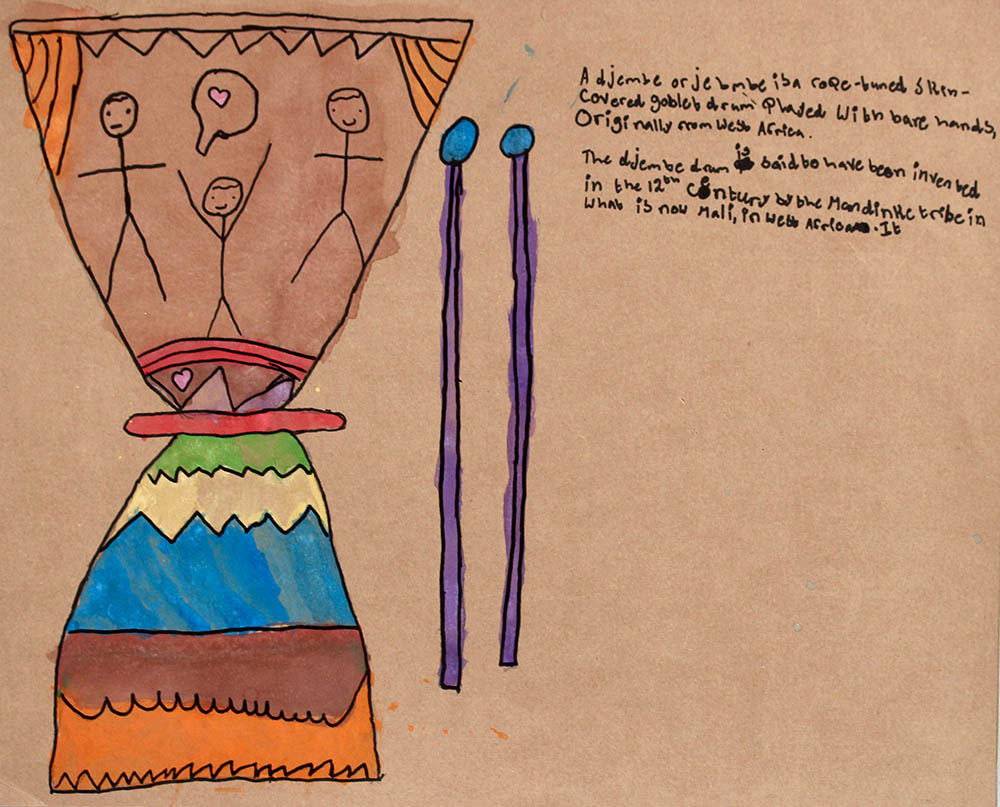
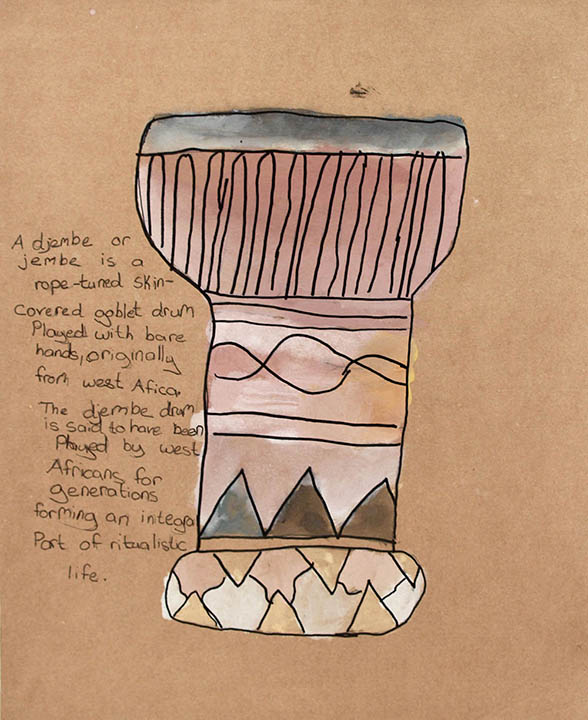
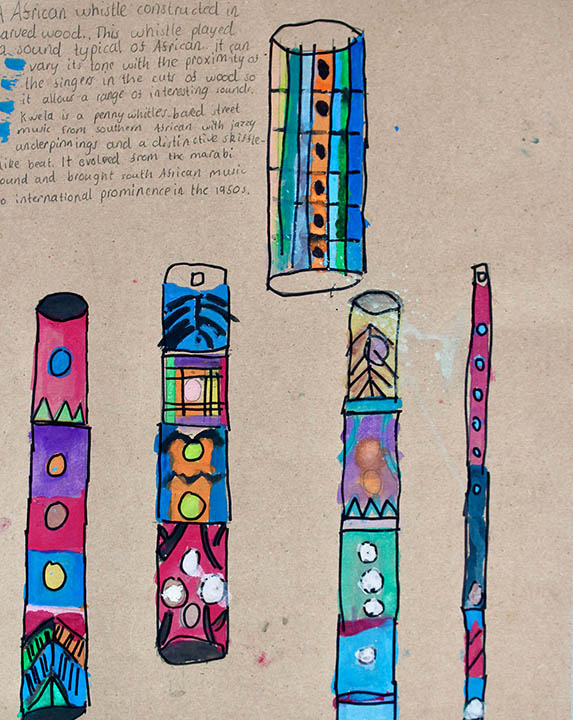
Zu den traditionellen Instrumenten gehören Djembe, Balafon, Kora, Shekere, Thumb Piano, Trommeln und Penny Whistle.
African tribes, especially the Ndebele and Zulu, paint their houses with colourful, geometric designs that are symbolic of the peoples desires or everyday implements.
In KwaZulu-Natal flechten Frauen Körbe aus natürlichen, gefärbten Materialien, wie Palmwedel, Rinden und Wurzeln.

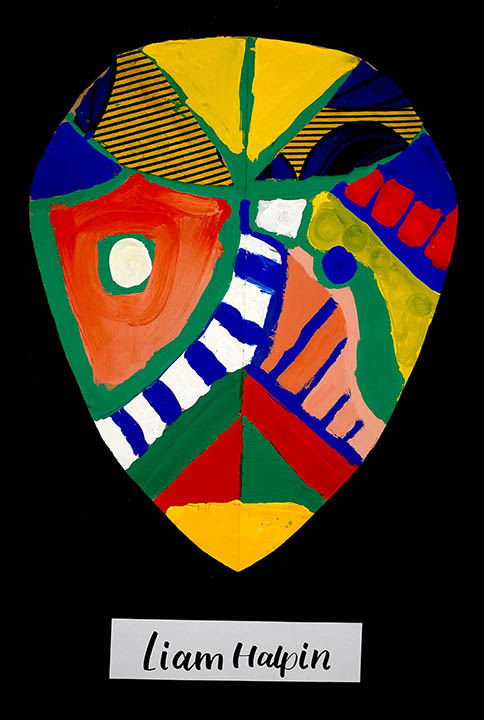
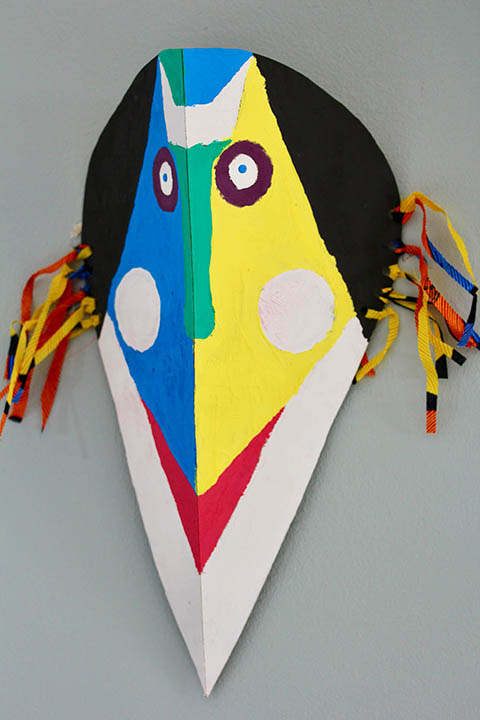
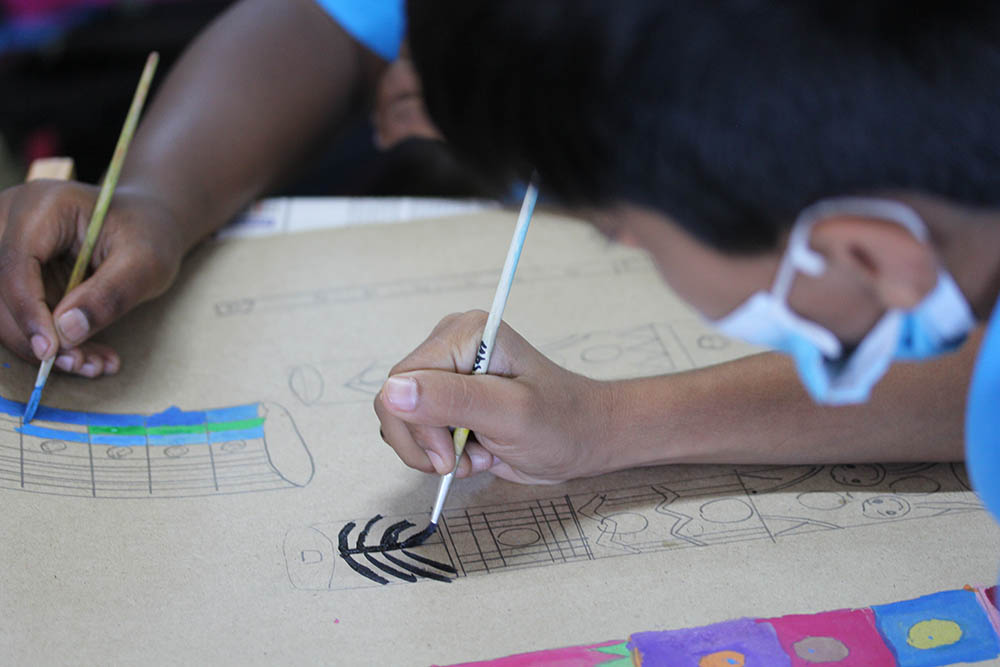
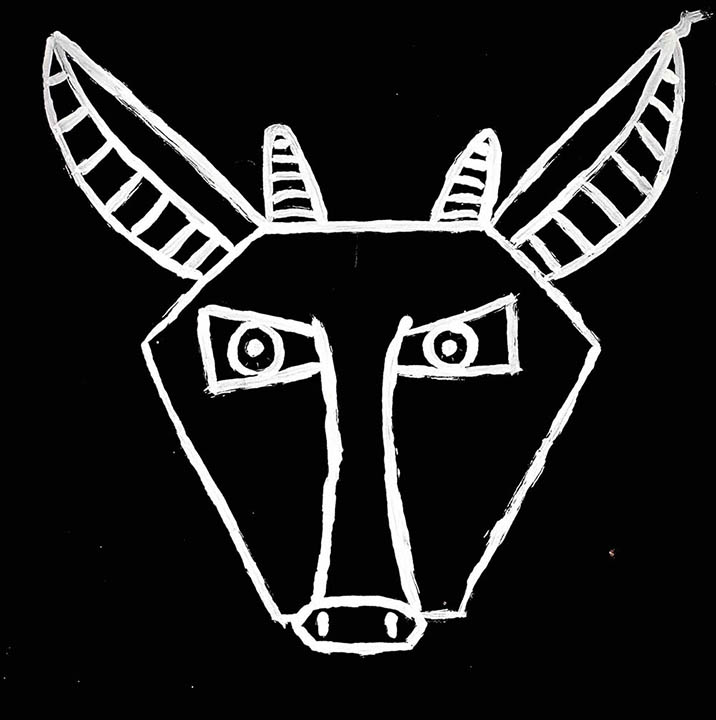
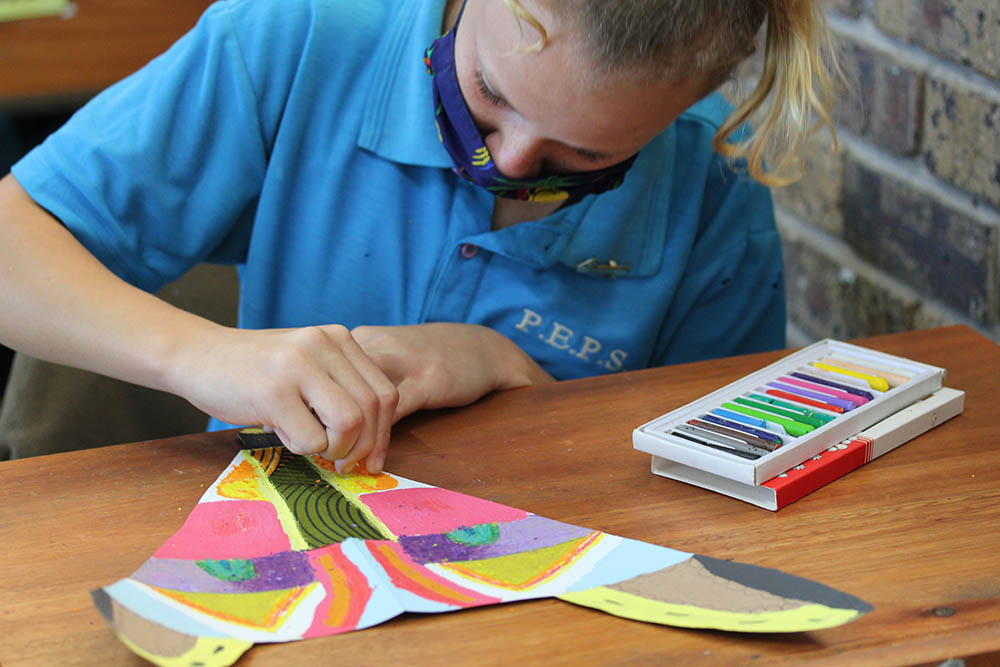
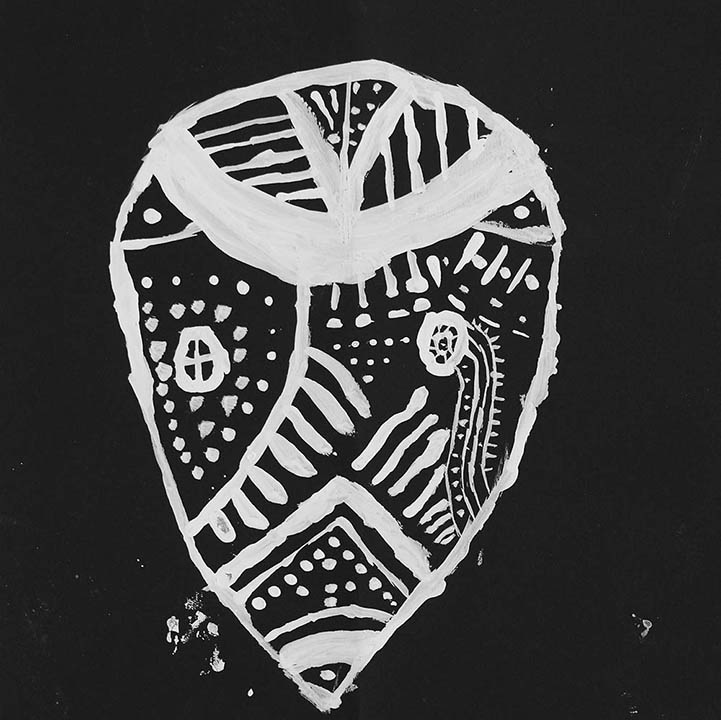
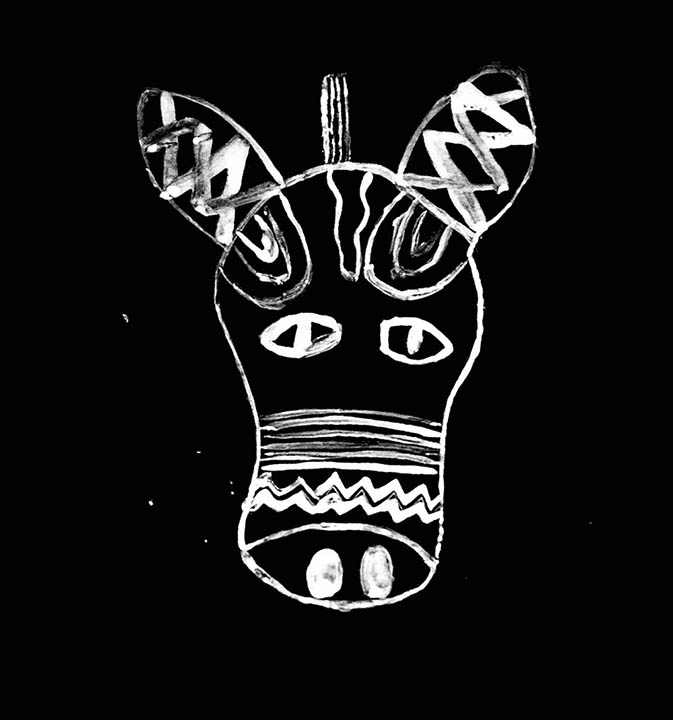
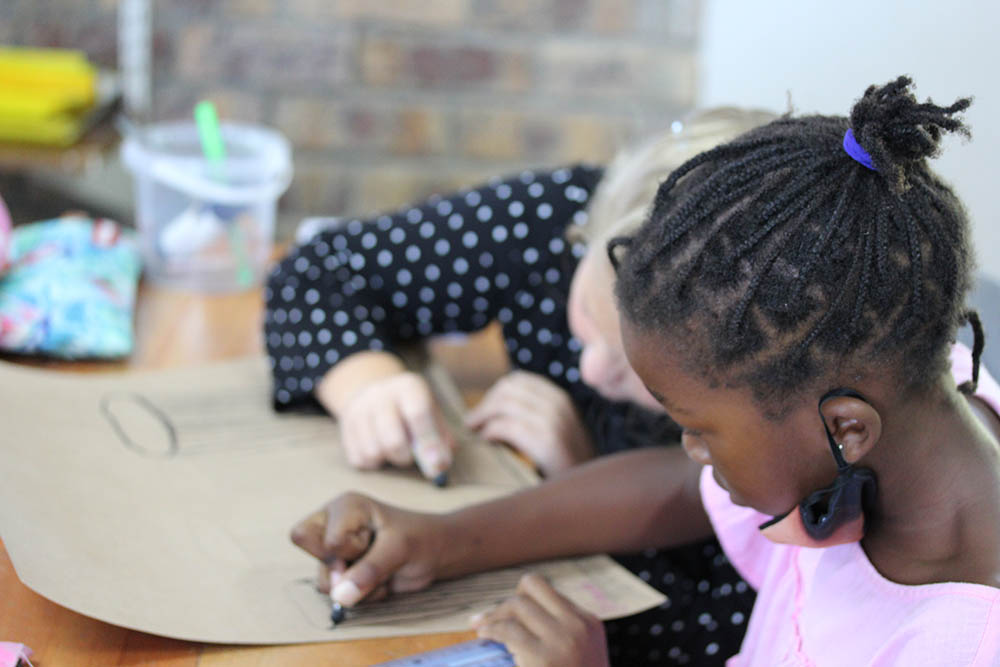
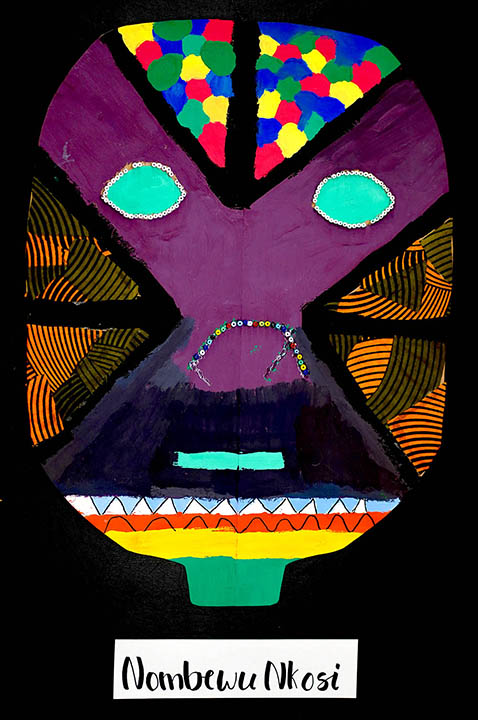
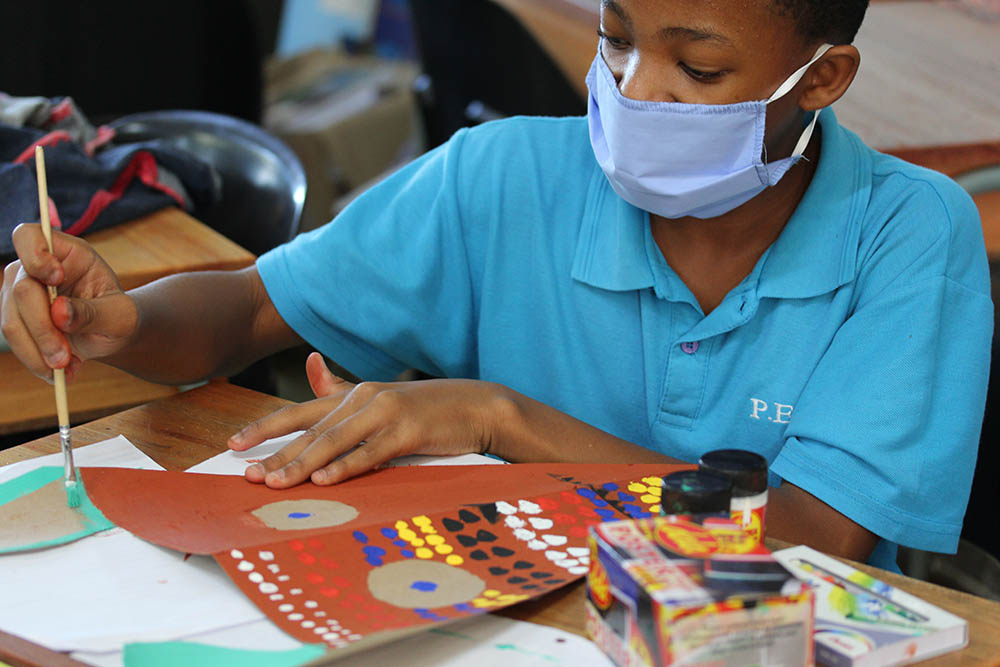
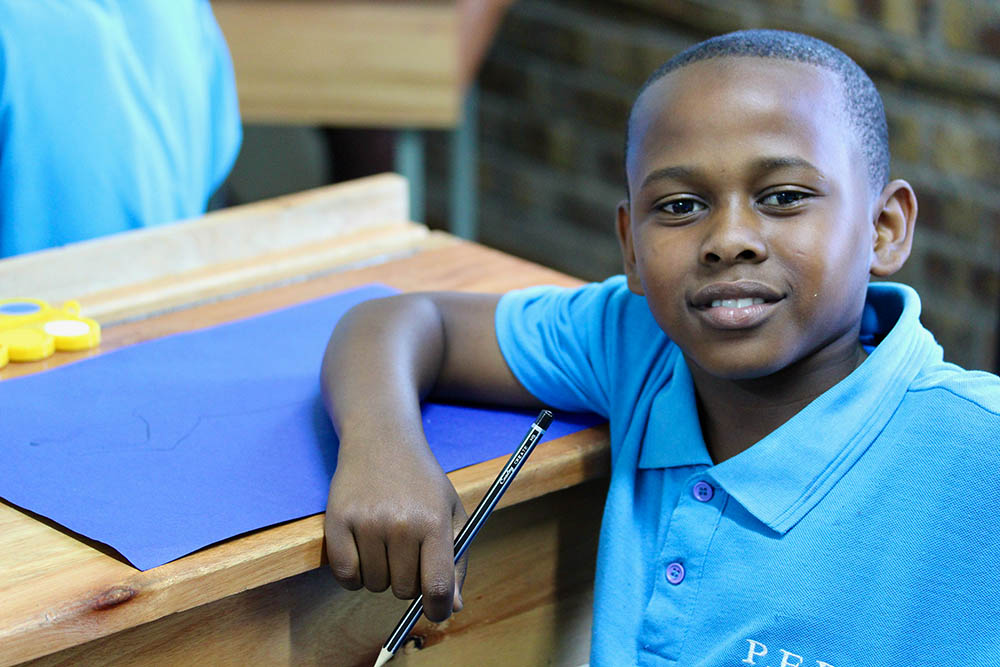
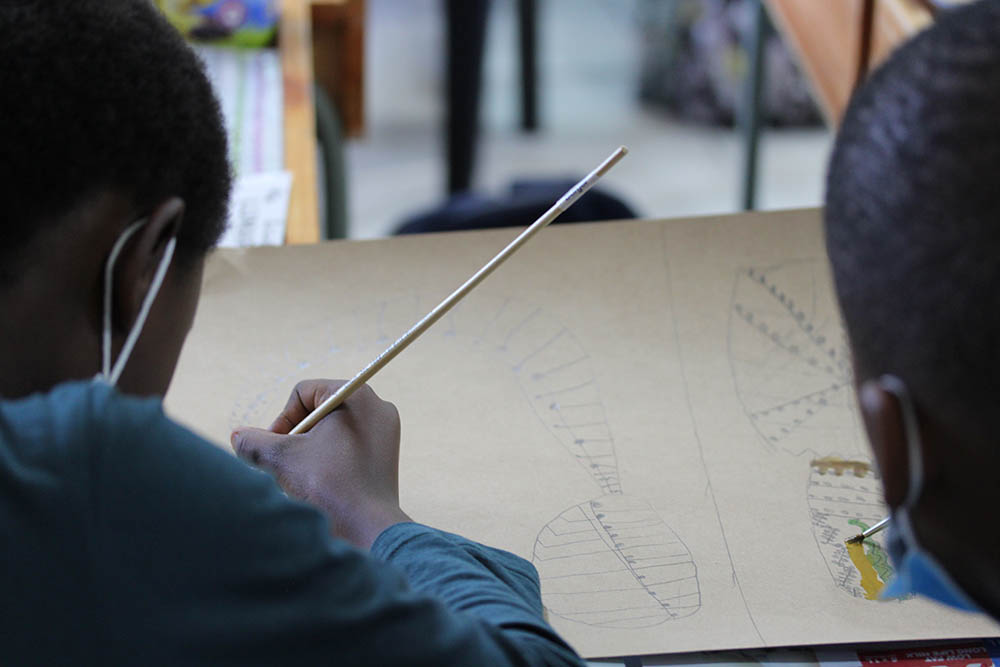
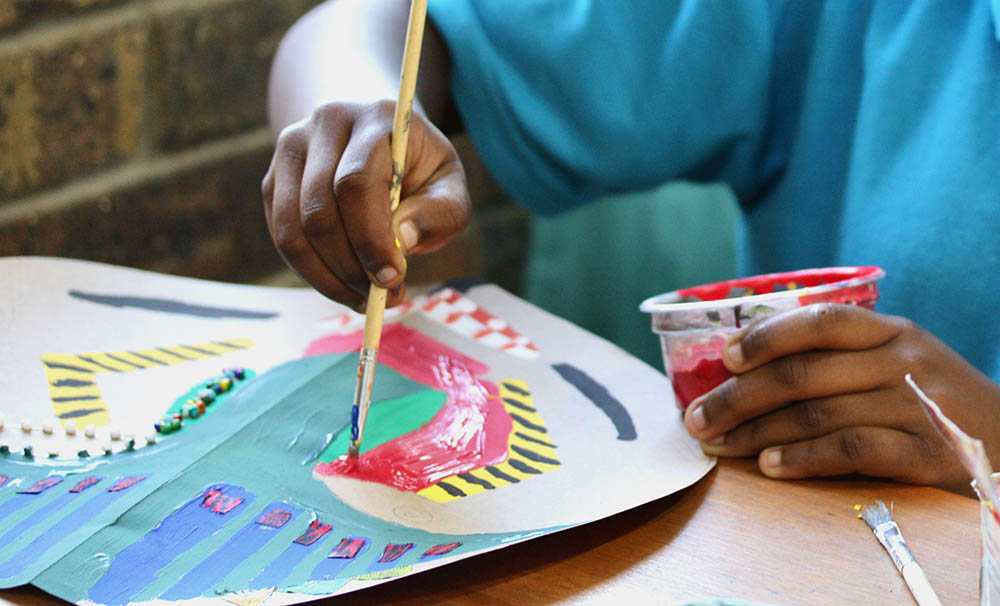
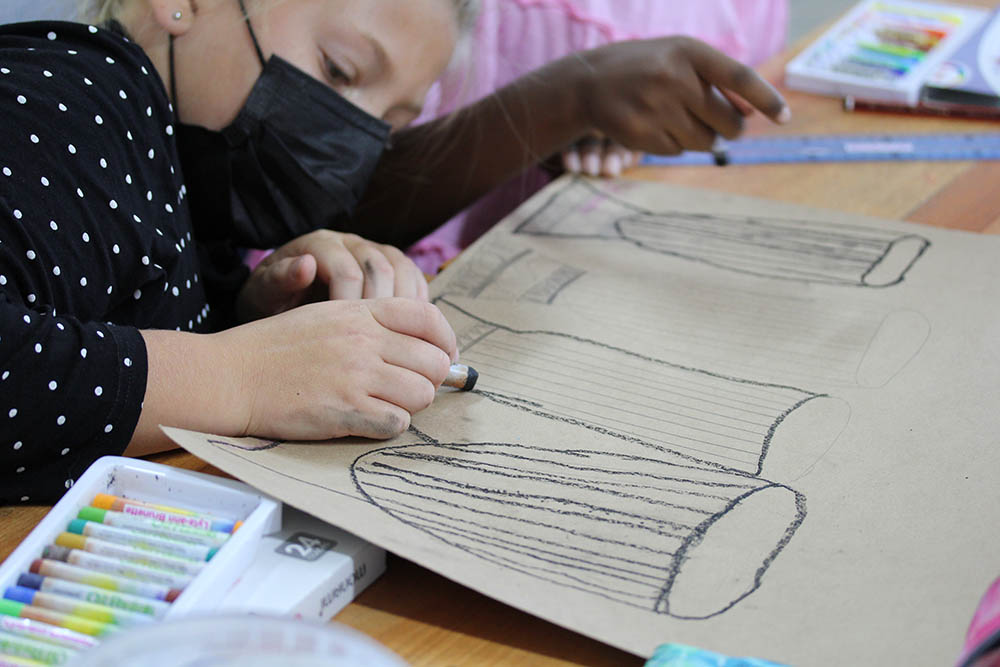
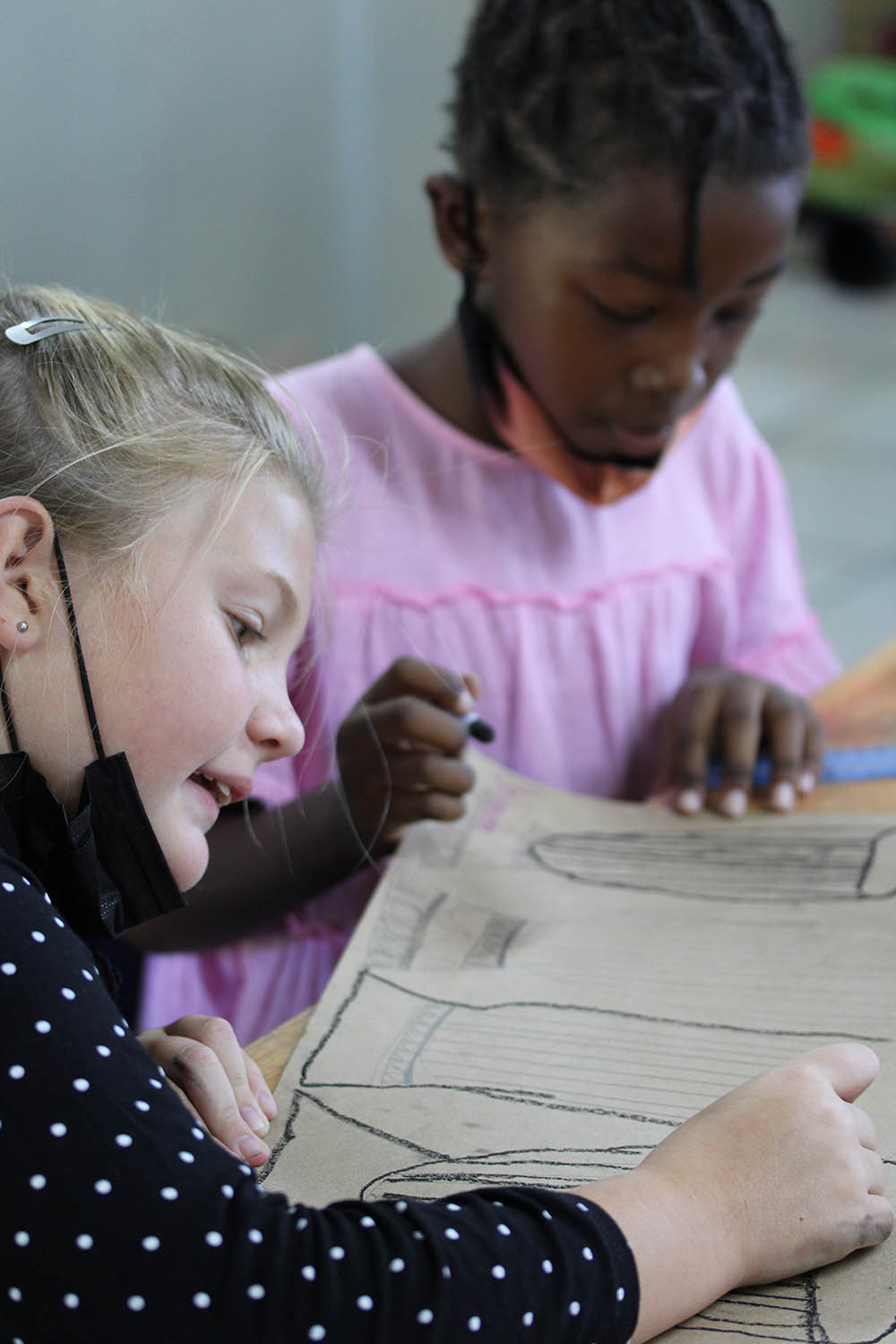
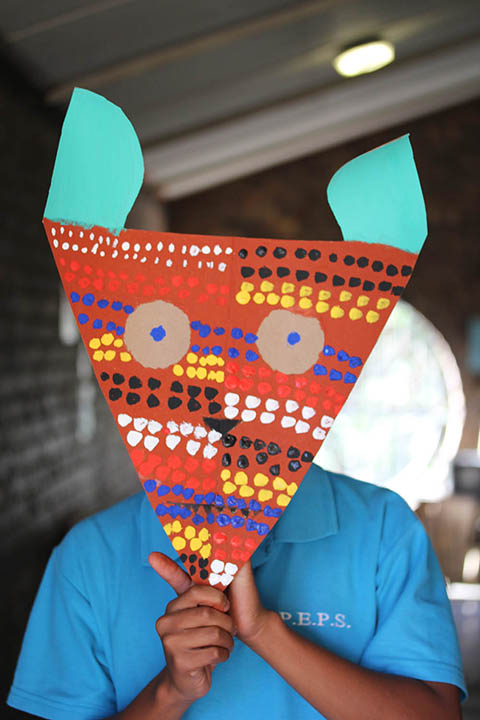
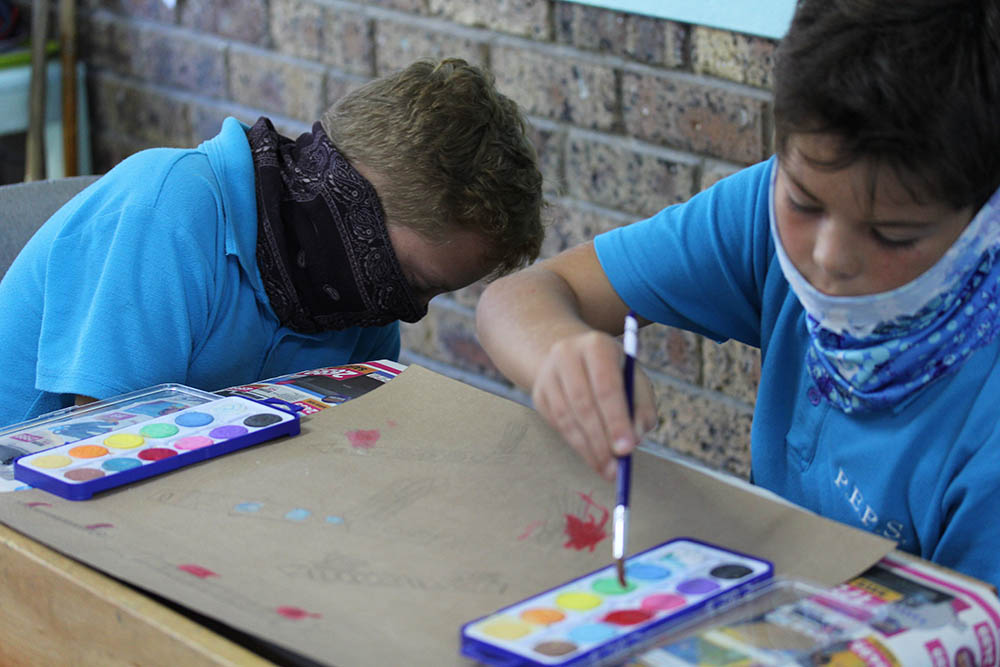
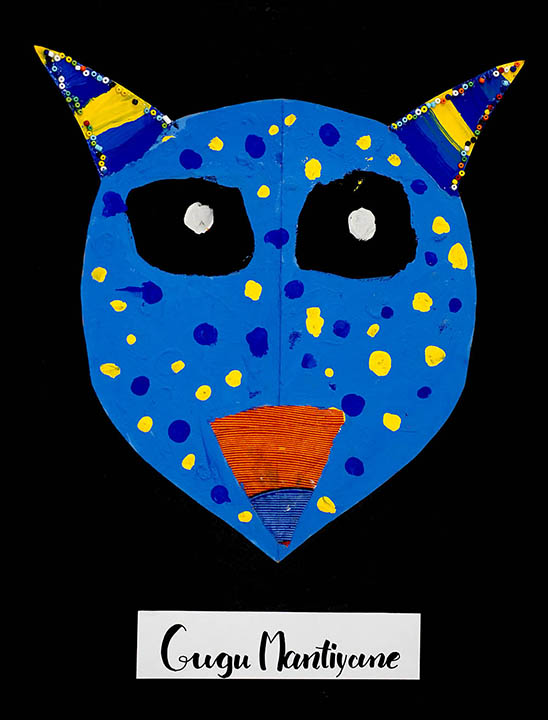
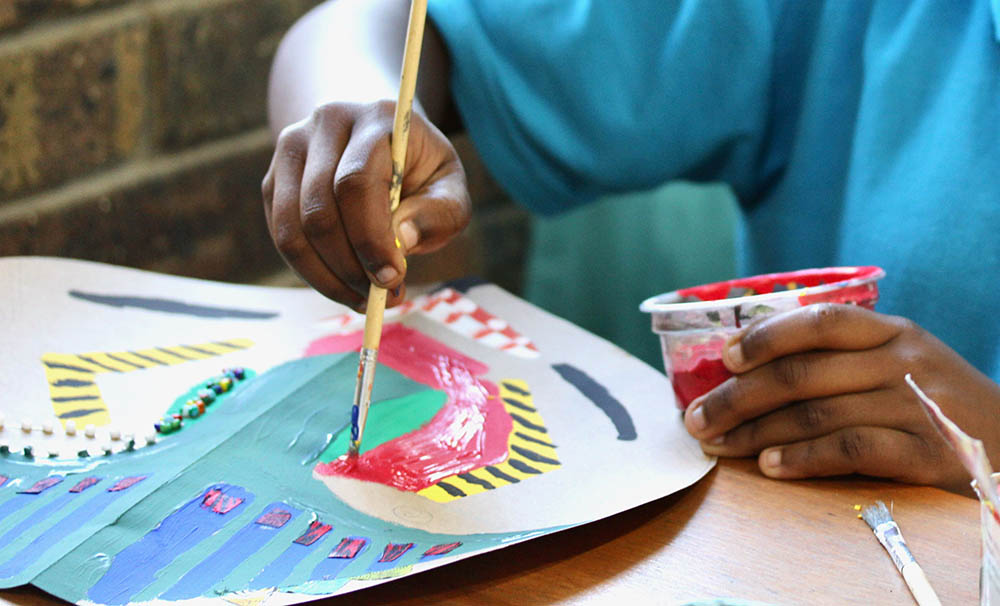
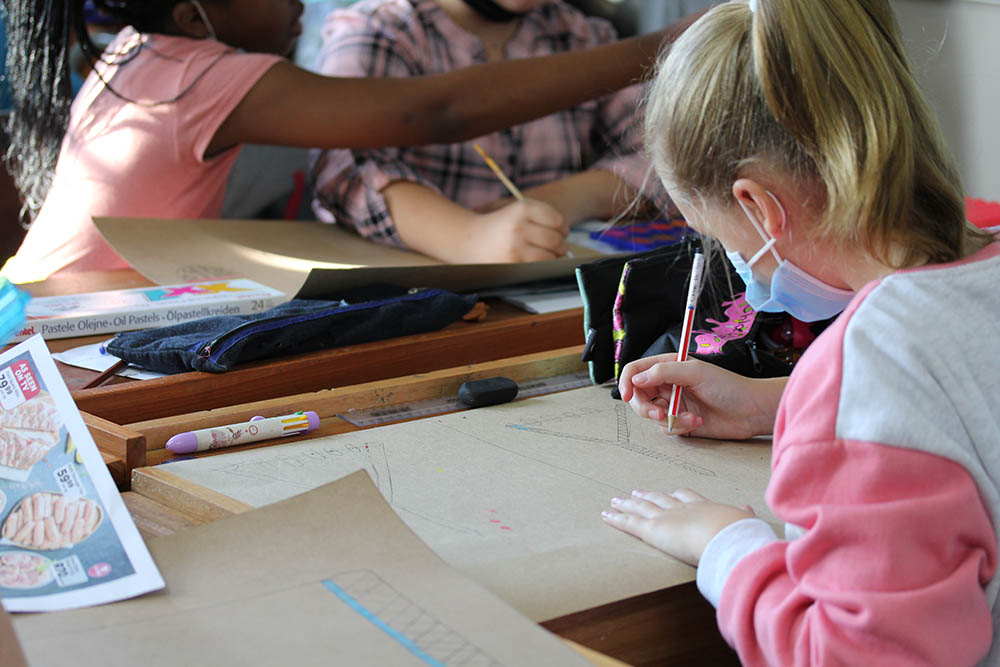
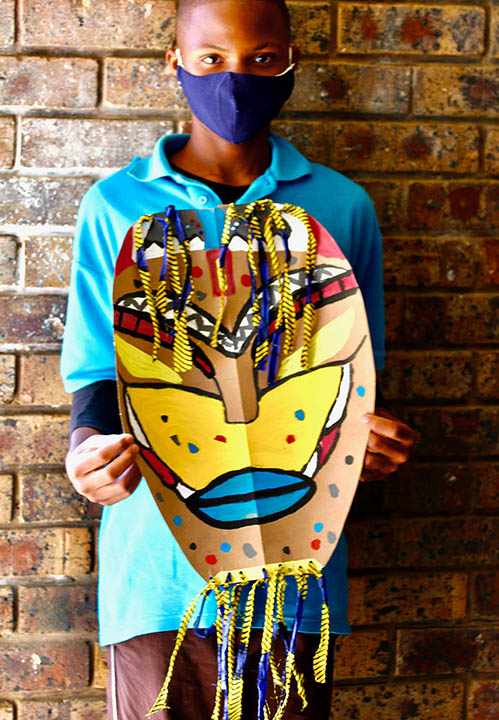
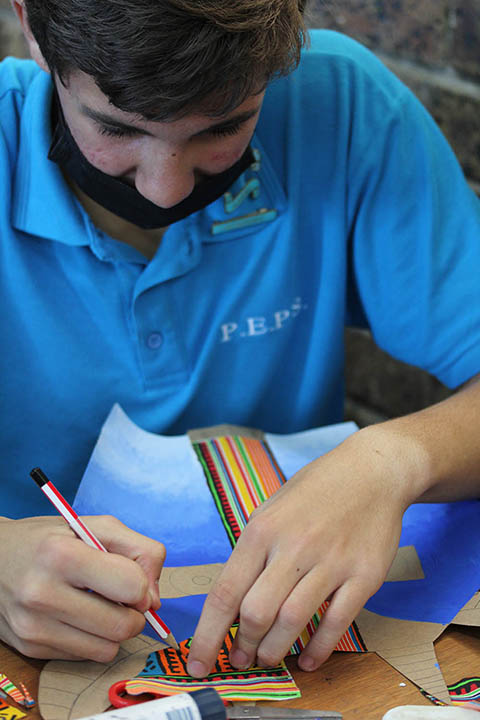
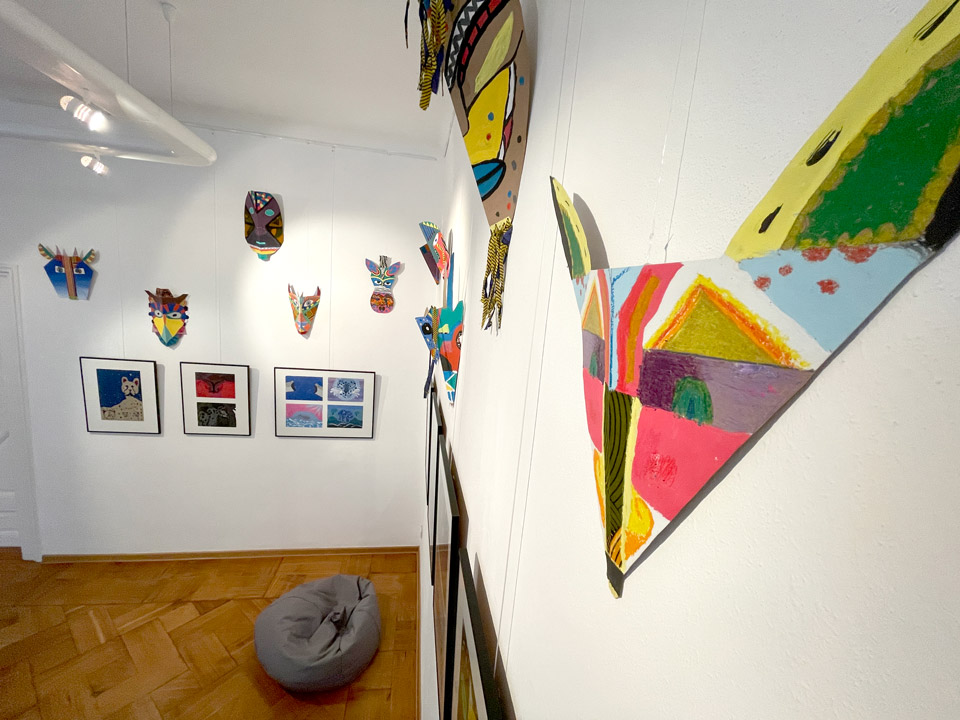
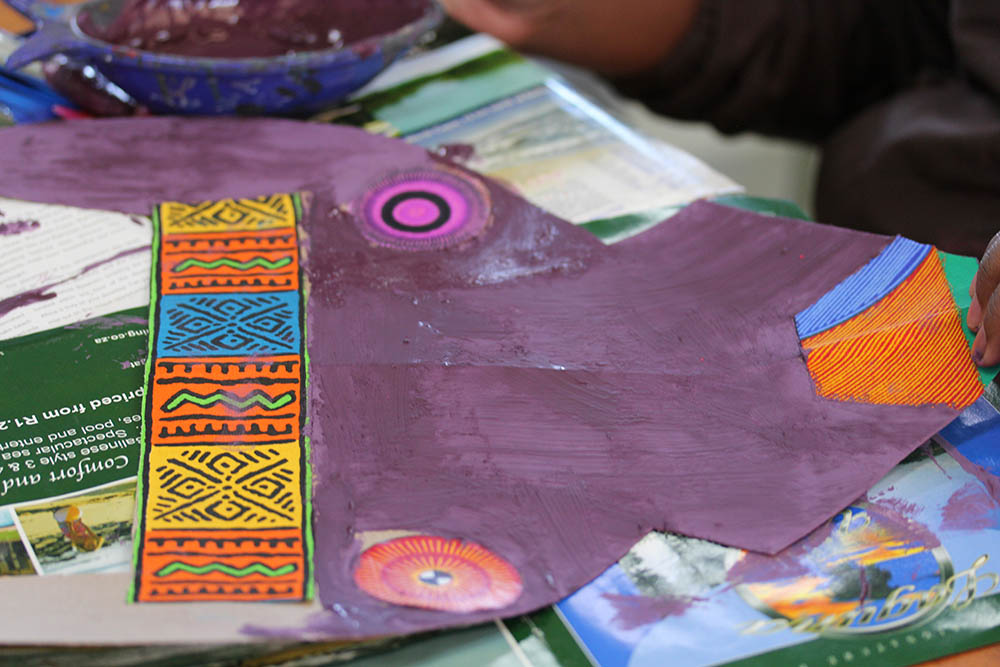
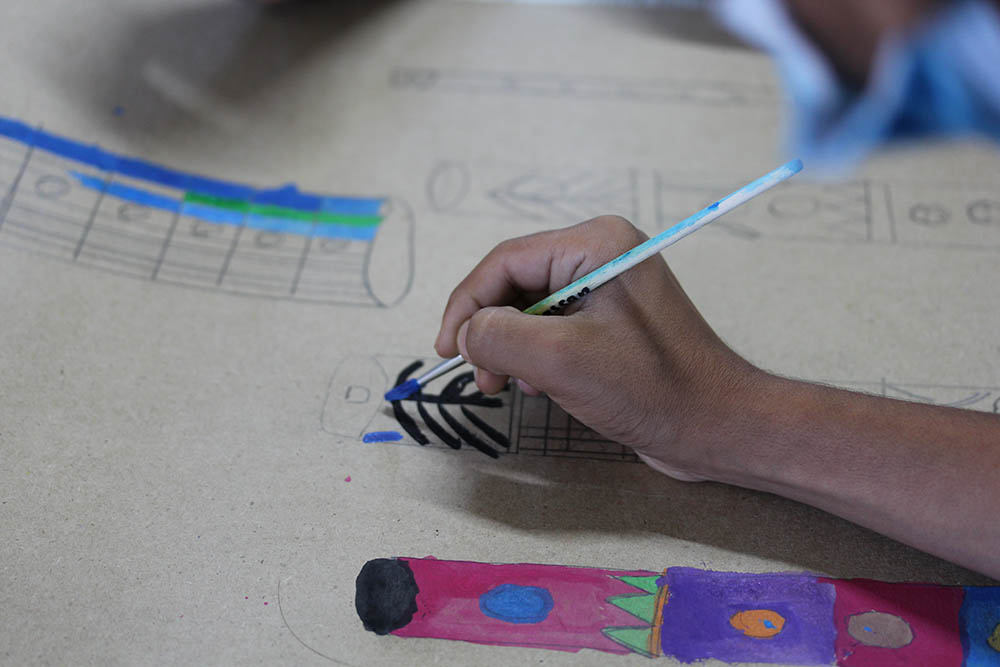
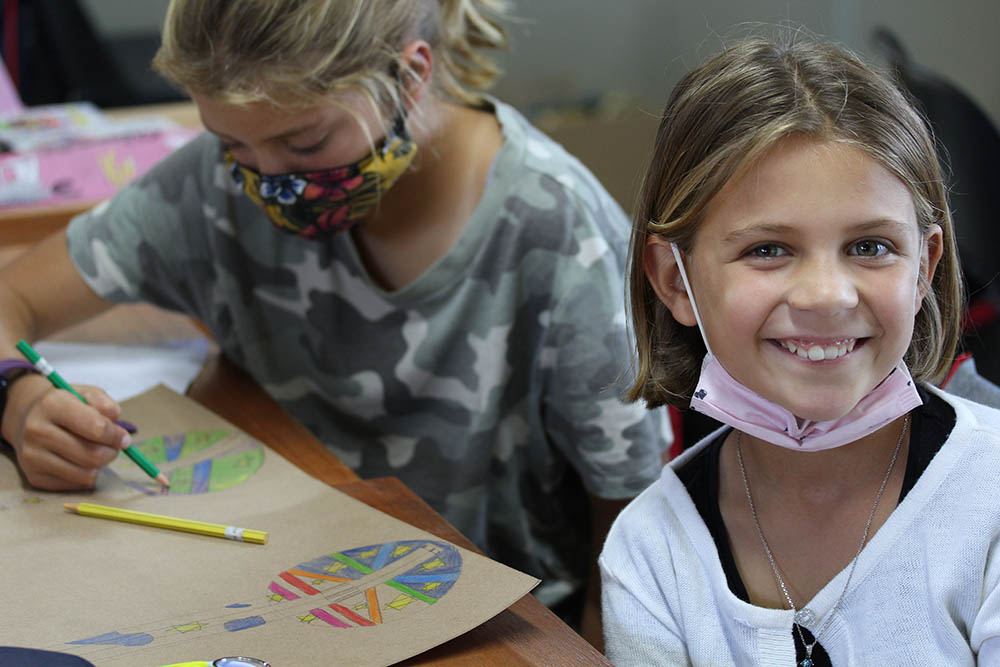
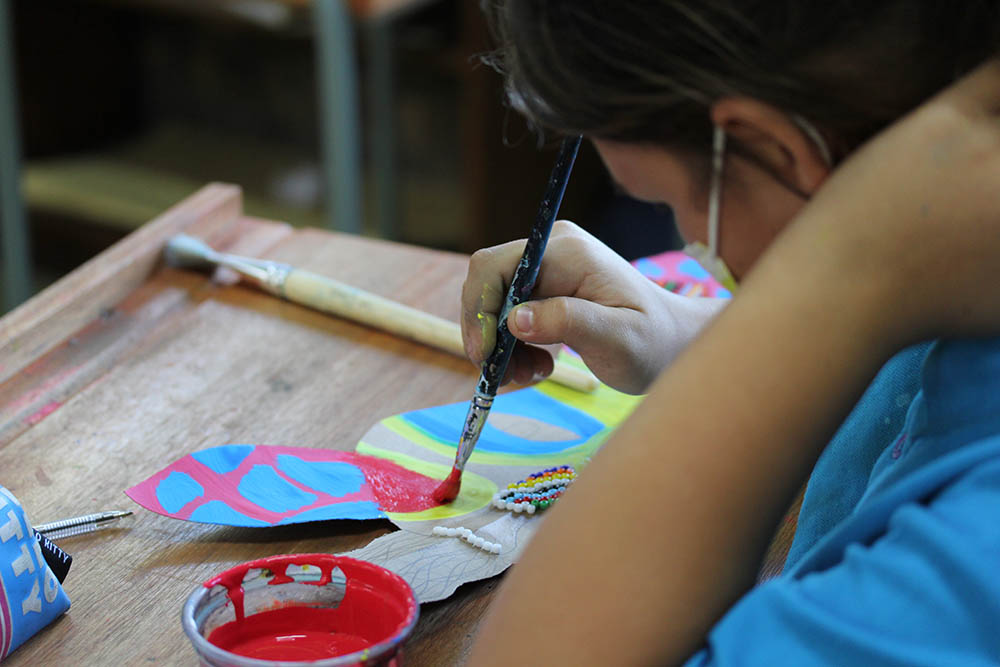
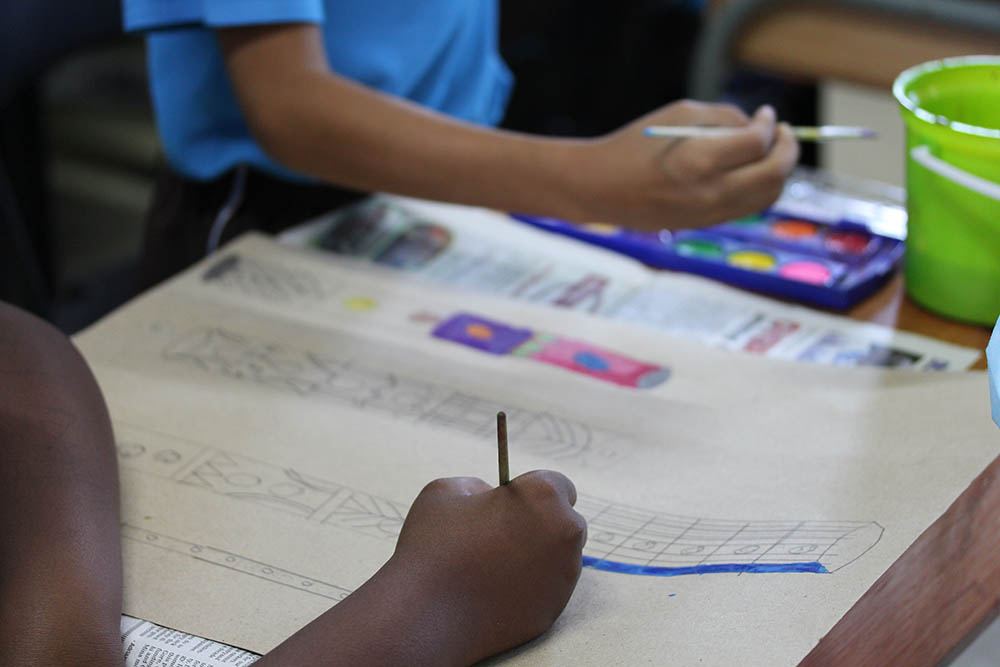
The sketches and masks made of paper, paint, tie-dye and beads were made by Class 7M students / Mr. MC Garr with Frances and Everett Duarte.
Die wasserdichten Körbe/Schalen werden zum Aufbewahren von Obst und anderen Lebensmittel oder als schöne Kunstwerke zum Aufhängen an der Wand als Wanddekoration verwendet.
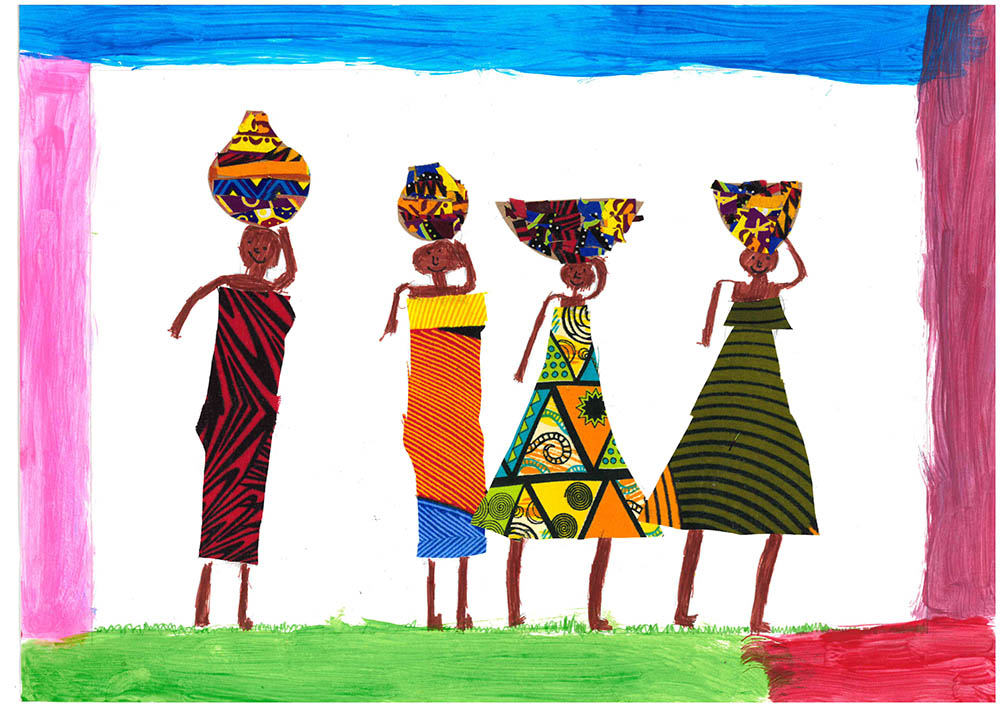
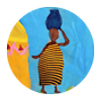
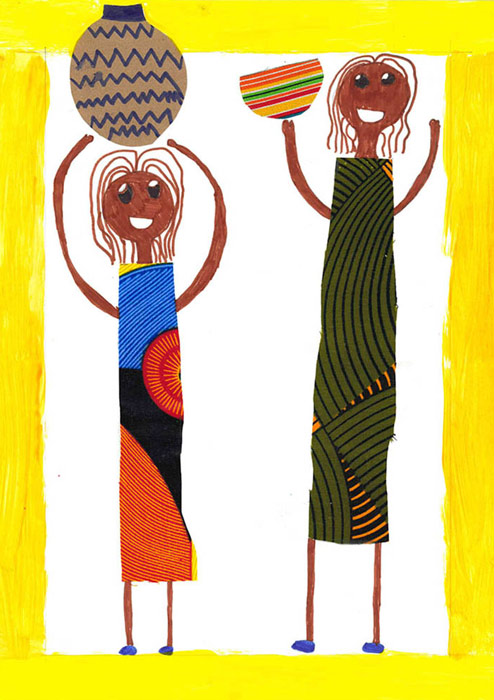
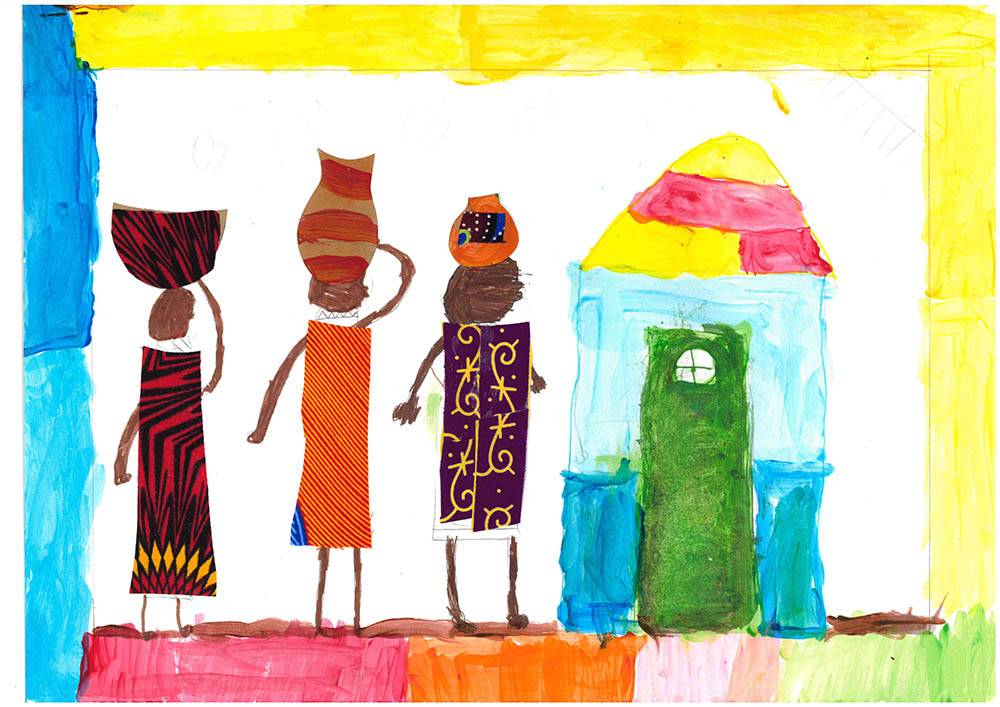
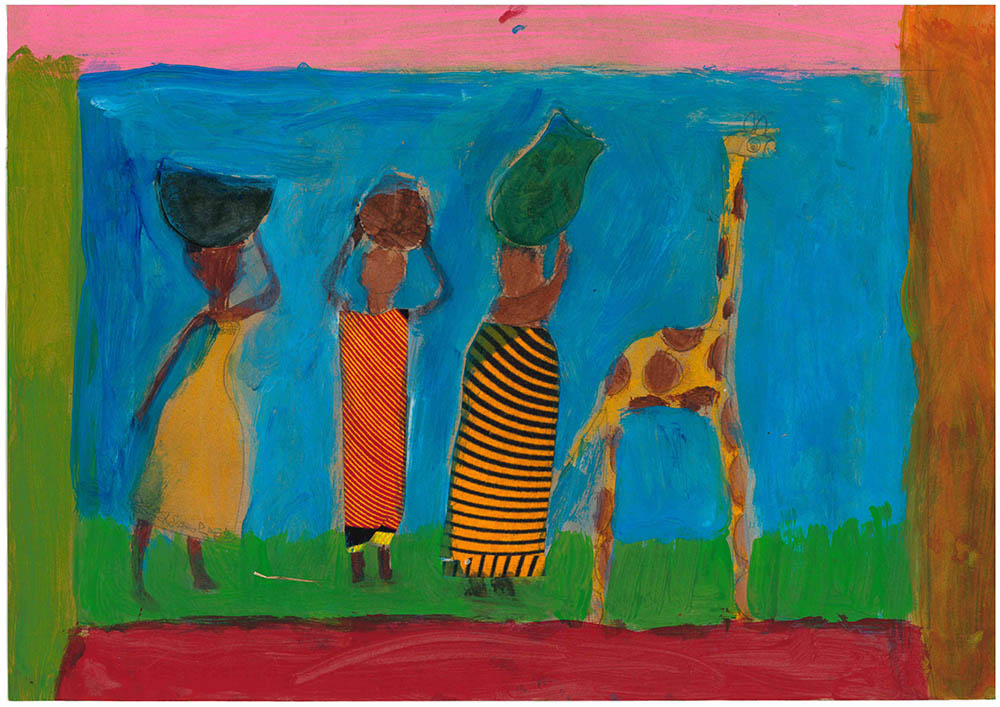
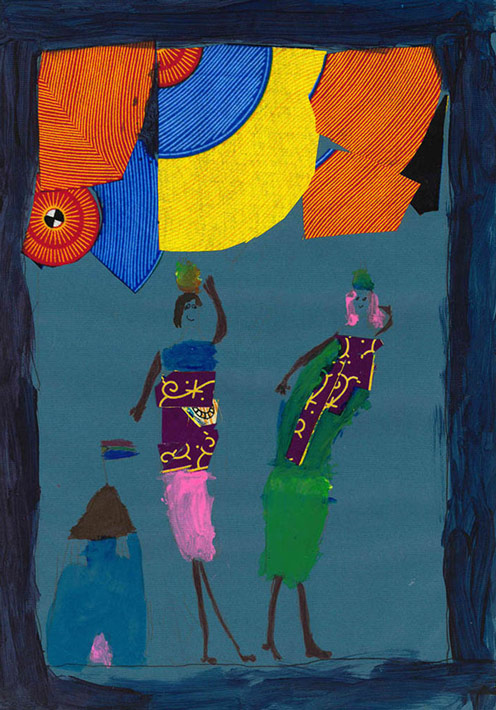
"You are what you wear..." An African woman shows her social status through extravagant, patterned fabrics and clothing.
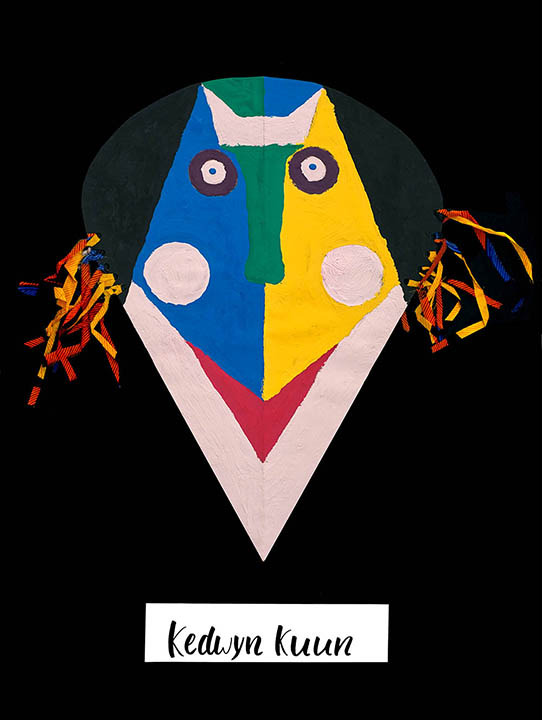


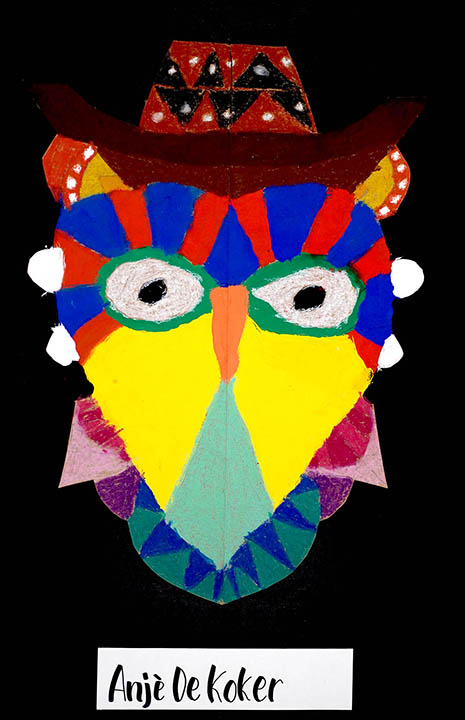
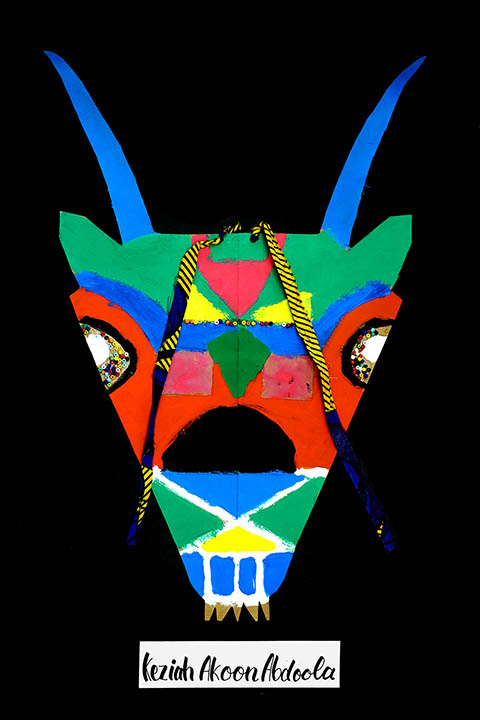
Outside their villages, members of the Dan tribes in particular, wear small masks. They are often inspired by the face of an animal.

Musik ist in Afrika sehr wichtig und wird oft in Ritualen und religiösen Zeremonien verwendet, um Geschichten von einer Generation an die nächste weiterzugeben, sowie um zu singen und zu tanzen.
Die Baumwollstoffe werden im Batikverfahren maschinell hergestellt. Dabei strahlen Vorder- und Rückseite der Textilien gleichermaßen in bunter Vielfalt.
Music is very important in Africa and is often used in rituals and religious ceremonies, to pass down stories from one generation to the next, as well as to sing and dance.
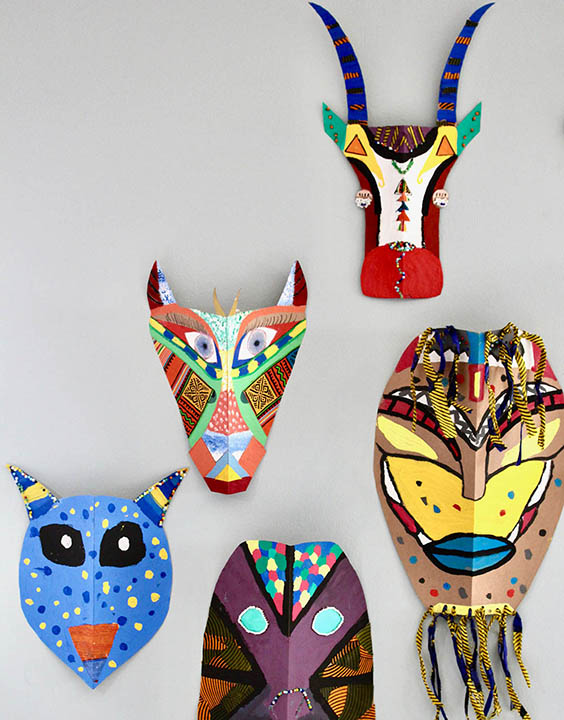
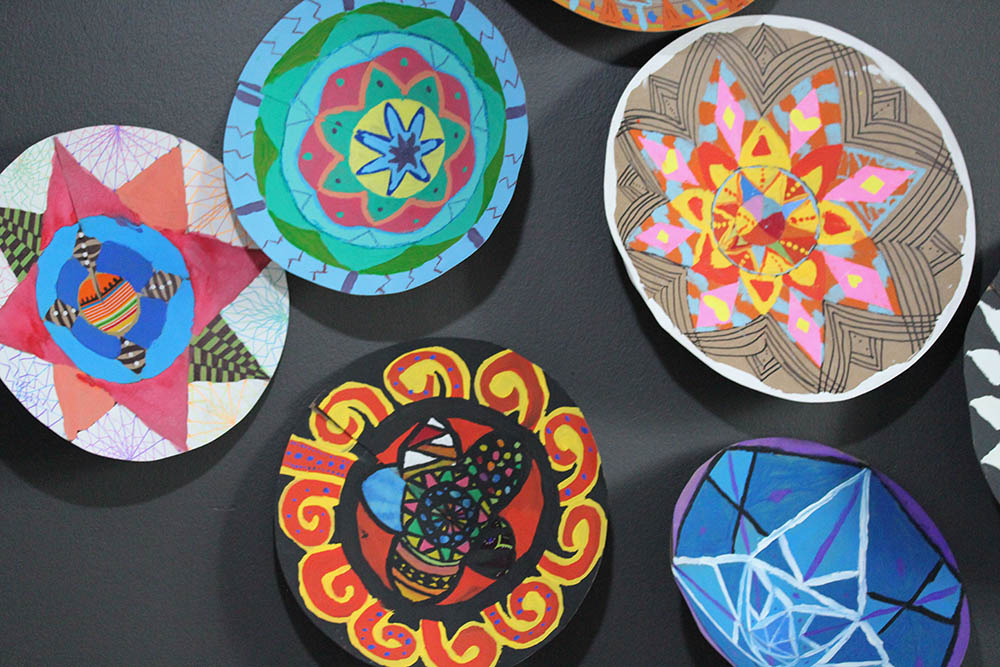

Als Amulett dienen die Masken zum Schutz, zur Kontaktaufnahme mit den Vorfahren oder Geistern und zur Identifikation, worauf sich die Bezeichnung »Passmaske« bezieht.
Traditional instruments include djembe, balafon, kora, shekere, thumb piano, drums and penny whistle.

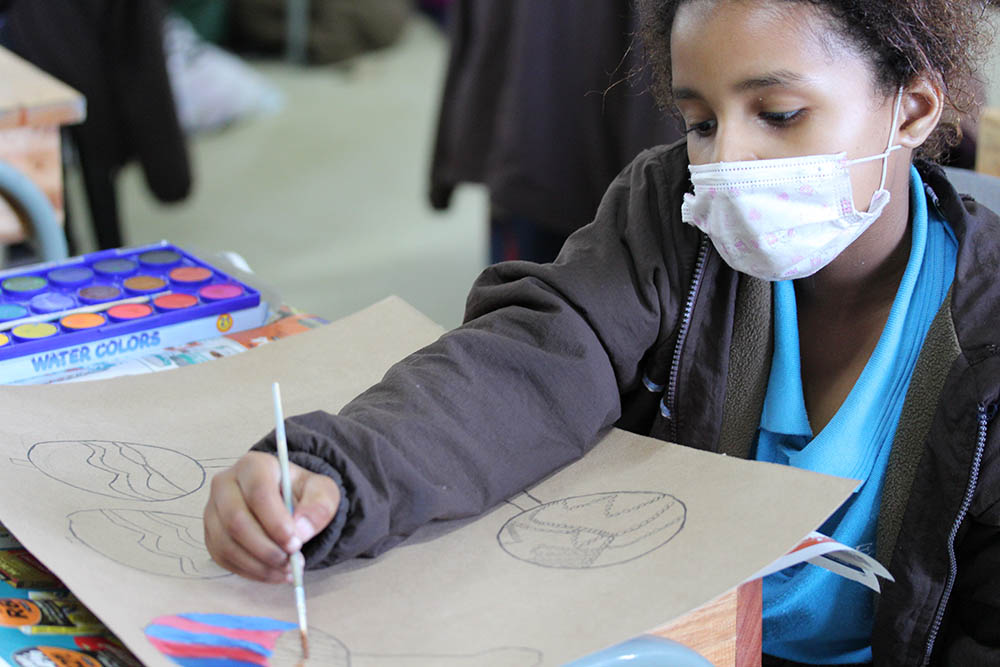
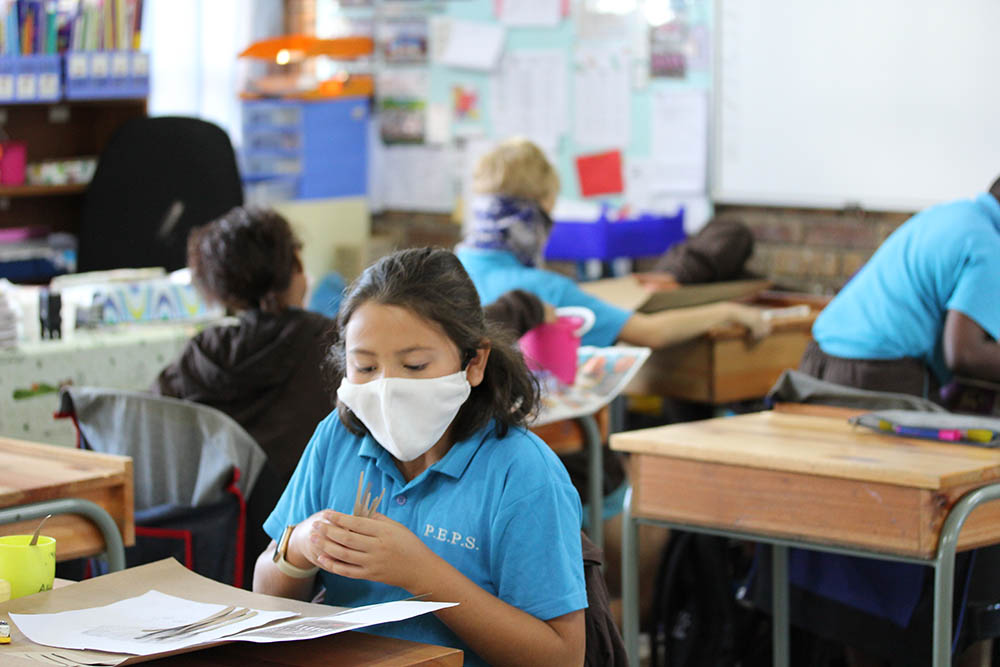
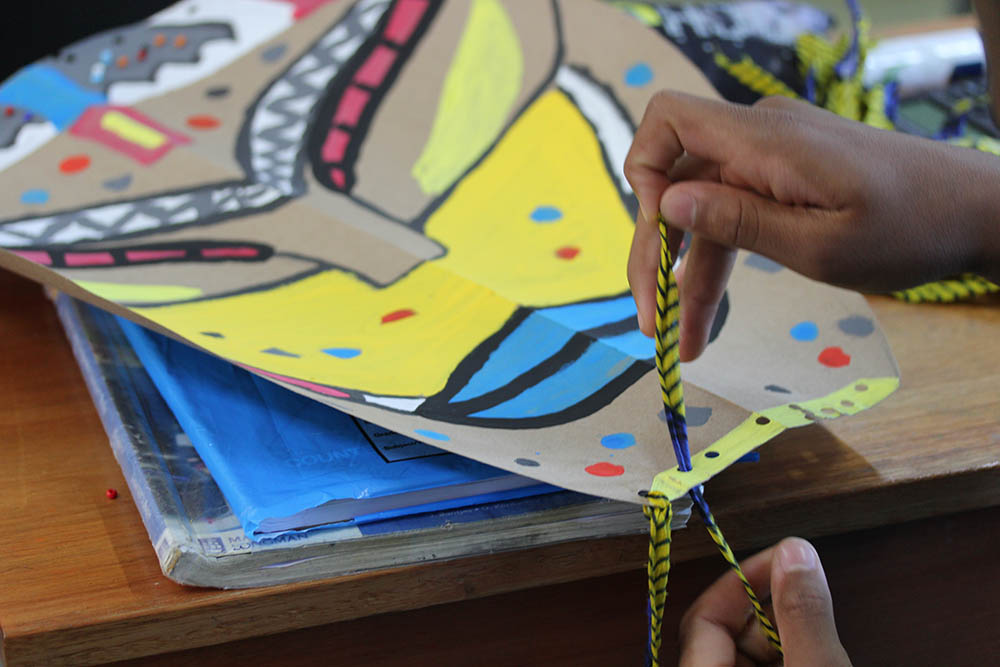
Die Vorskizzen und Masken aus Papier, Farbe, Batikstoffen und Perlen gestalteten Schüler der Klasse 7 M / Herr MC Garr mit Frances und Everett Duarte.
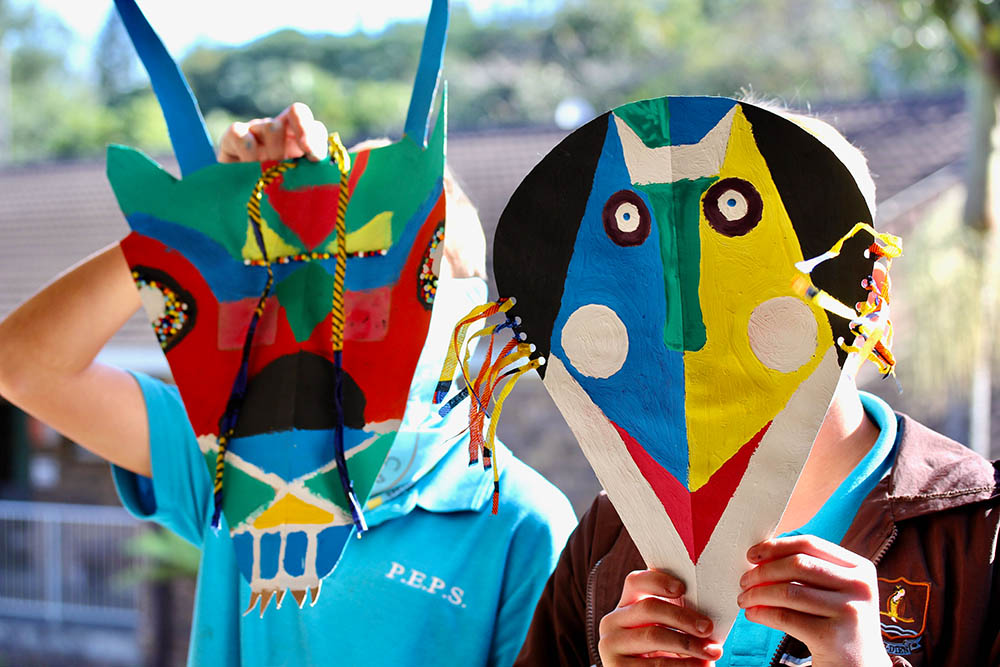
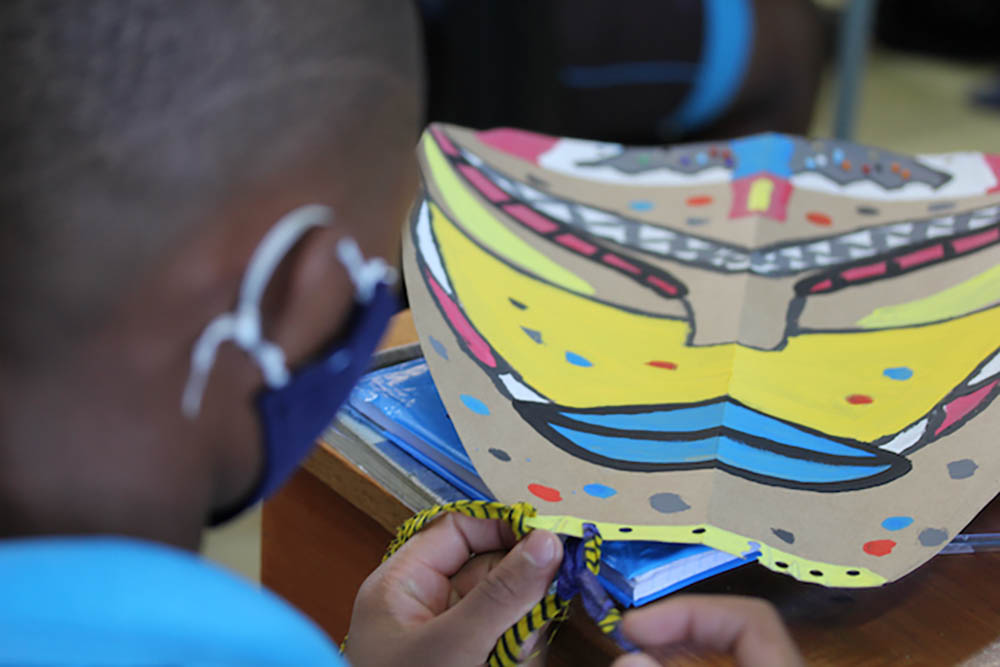
As an amulet, the masks are used for protection, for making contact with ancestors or spirits as well as for identification, which is where the term "passport mask" comes from.
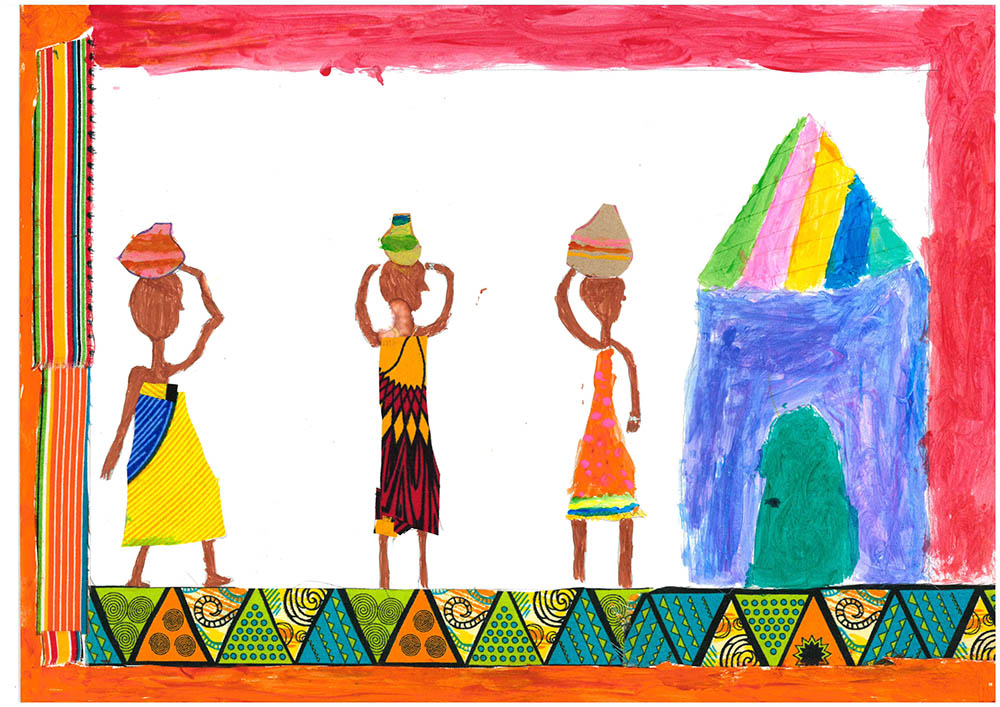
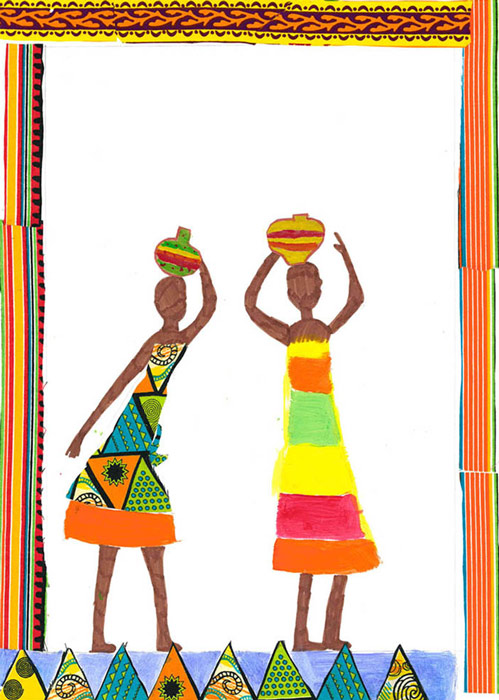
»Man ist, was man trägt …« Mit aufwändigen, gemusterten Stoffen zeigt die Frau ihre gesellschaftliche Zugehörigkeit.